


Introduction to Assistive Technology for Seniors
Smart Home Devices for Seniors
Smart Home Devices for Seniors
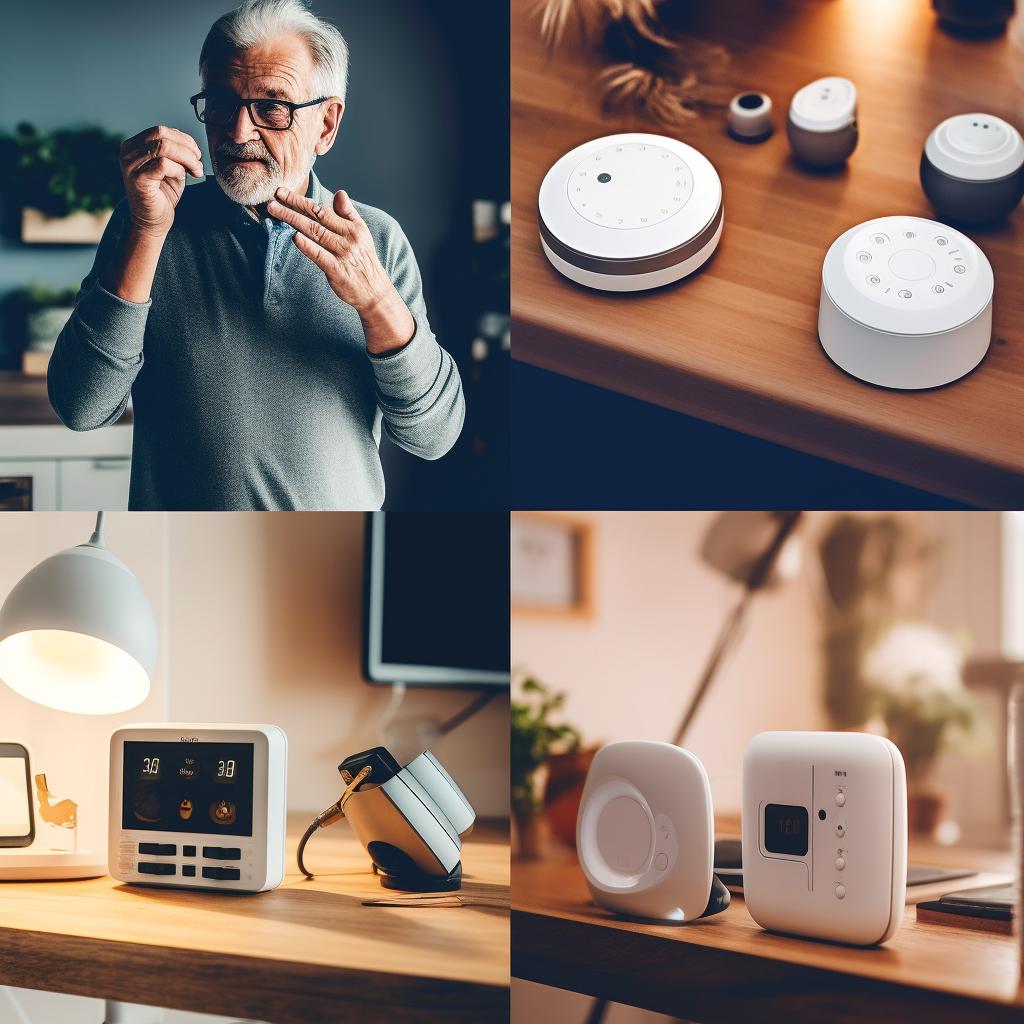
Smart home devices are becoming increasingly popular among seniors as they offer convenience, safety, and comfort. These devices are designed to make daily tasks easier and more manageable for older adults. Some of the most popular smart home devices for seniors include:
Smart Thermostats: These devices allow seniors to control the temperature of their homes using their smartphones or voice commands. They can also learn the user's preferences and adjust the temperature accordingly.
Smart Lighting: Smart lighting systems can be controlled using a smartphone or voice commands. They can be programmed to turn on and off at specific times or in response to certain events, such as motion detection.
Smart Locks: Smart locks allow seniors to lock and unlock their doors using their smartphones or voice commands. They can also be programmed to grant access to specific individuals, such as caregivers or family members.
Smart Plugs: Smart plugs can be used to control appliances and devices using a smartphone or voice commands. They can also be programmed to turn on and off at specific times.
These smart home devices can help seniors maintain their independence and live comfortably in their own homes. They can also provide peace of mind to family members and caregivers who may be concerned about their loved one's safety. With the help of these devices, seniors can enjoy a more connected and convenient lifestyle.
Wearable Health Monitors
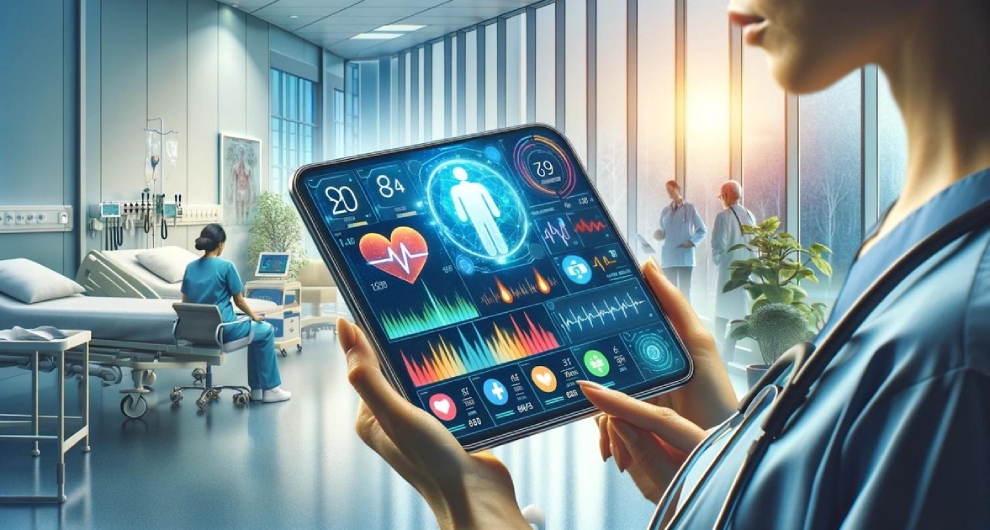
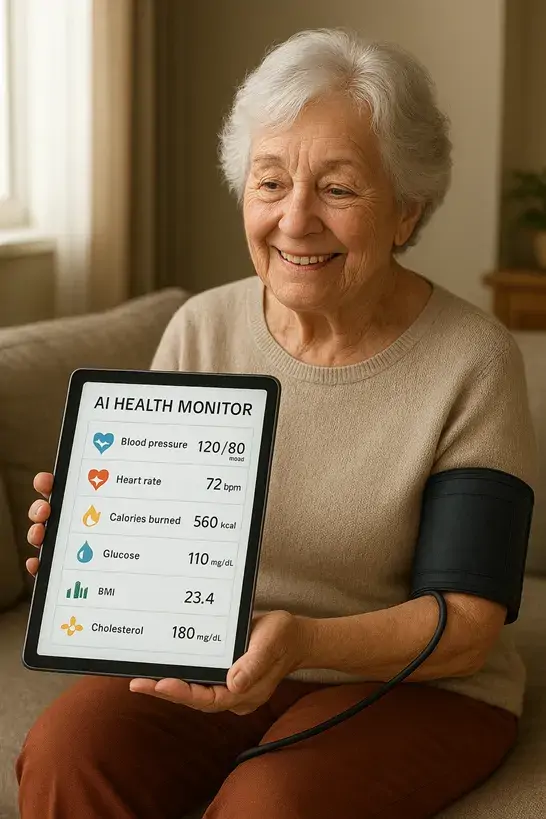
As we age, keeping track of our health becomes increasingly important. Wearable health monitors are a fantastic way for seniors to stay on top of their well-being and ensure they're taking the necessary steps to maintain a healthy lifestyle. These devices come in various forms, such as smartwatches, fitness trackers, and heart rate monitors, providing older adults with valuable insights into their daily activities and overall health.

One of the most popular wearable health monitors for seniors is the smartwatch. These devices not only tell time but also track vital signs like heart rate, blood pressure, and sleep patterns. Some smartwatches even have built-in fall detection, which can be a lifesaver for seniors prone to falls. The Apple Watch and Fitbit are two well-known brands offering smartwatches with health monitoring features tailored for seniors.
Another essential wearable device for older adults is a fitness tracker. These gadgets help seniors monitor their daily physical activity, such as steps taken, distance traveled, and calories burned. By setting personal goals and tracking progress, seniors can stay motivated to maintain an active lifestyle. Popular fitness trackers for seniors include the Garmin Vivosmart 4 and Fitbit Charge 4.
For those with hearing loss, assistive listening devices can be a game-changer. These wearables amplify sound, making it easier for seniors to engage in conversations and enjoy their favorite TV shows or movies. Some devices, like the Williams Sound Pocketalker, are designed specifically for seniors and can be easily adjusted to suit individual hearing needs.
In conclusion, wearable health monitors are an invaluable tool for seniors looking to take control of their health and well-being. By investing in one of these devices, older adults can gain a better understanding of their health, stay active, and maintain their independence for years to come.
Assistive Listening Devices
As we age, our hearing abilities may decline, making it difficult to engage in conversations or enjoy our favorite TV shows and music. Assistive Listening Devices (ALDs) are designed to help seniors overcome these challenges and stay connected with the world around them. In this section, we will explore some of the top ALDs that every senior should consider adding to their arsenal of assistive technology.
Hearing Aid Compatible Phones - These specialized phones are designed to work seamlessly with hearing aids, providing clear and amplified sound. Some models even come with built-in amplifiers and adjustable tone controls to cater to individual hearing preferences. 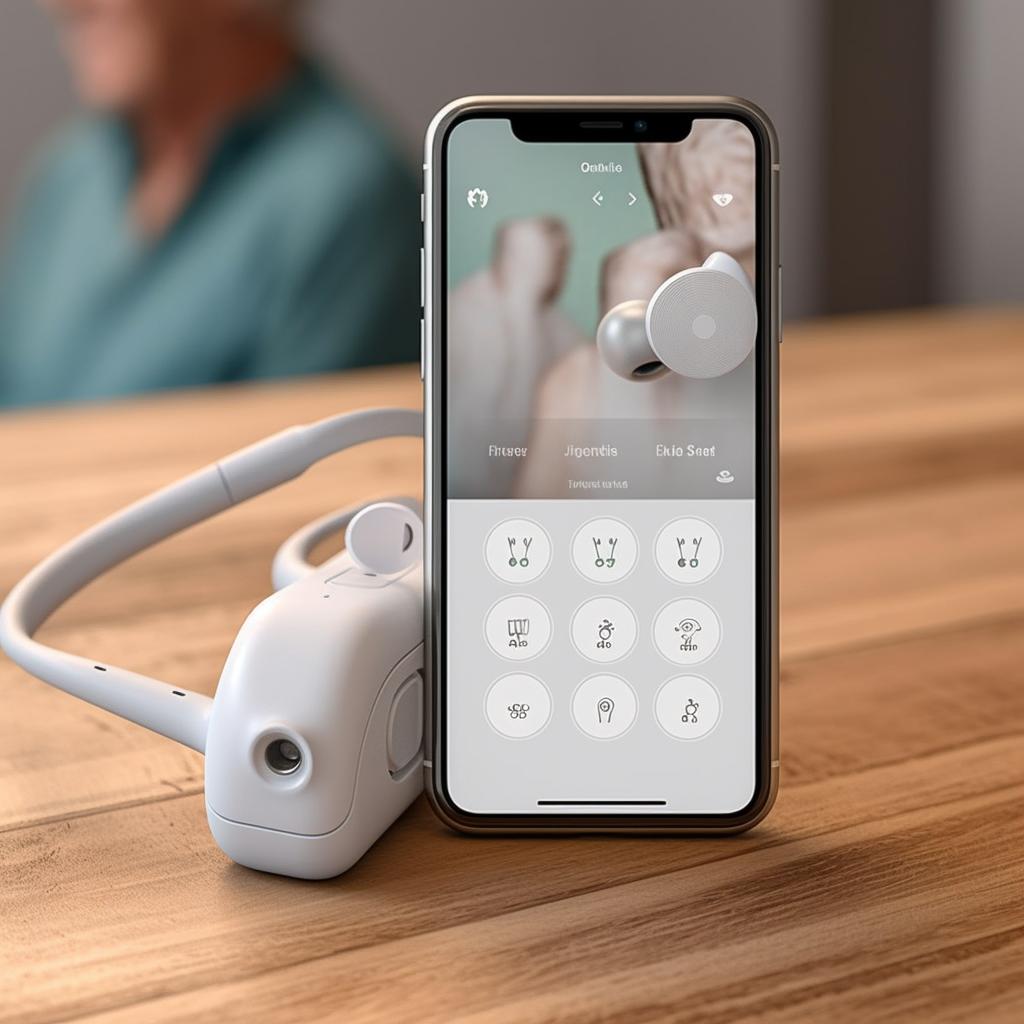
TV Listening Systems - Struggling to hear the television can be frustrating for seniors and their loved ones. TV listening systems, such as wireless headphones or neckloops, allow users to adjust the volume to their desired level without disturbing others in the room. 
Personal Amplifiers - These portable devices can be a lifesaver in noisy environments or when attending social events. Personal amplifiers typically consist of a small microphone and speaker or earpiece, which can be easily clipped onto clothing or worn around the neck. 
FM Systems - Ideal for use in large spaces like lecture halls or places of worship, FM systems transmit sound from a microphone worn by the speaker directly to a receiver worn by the listener. This helps to eliminate background noise and improve sound clarity. 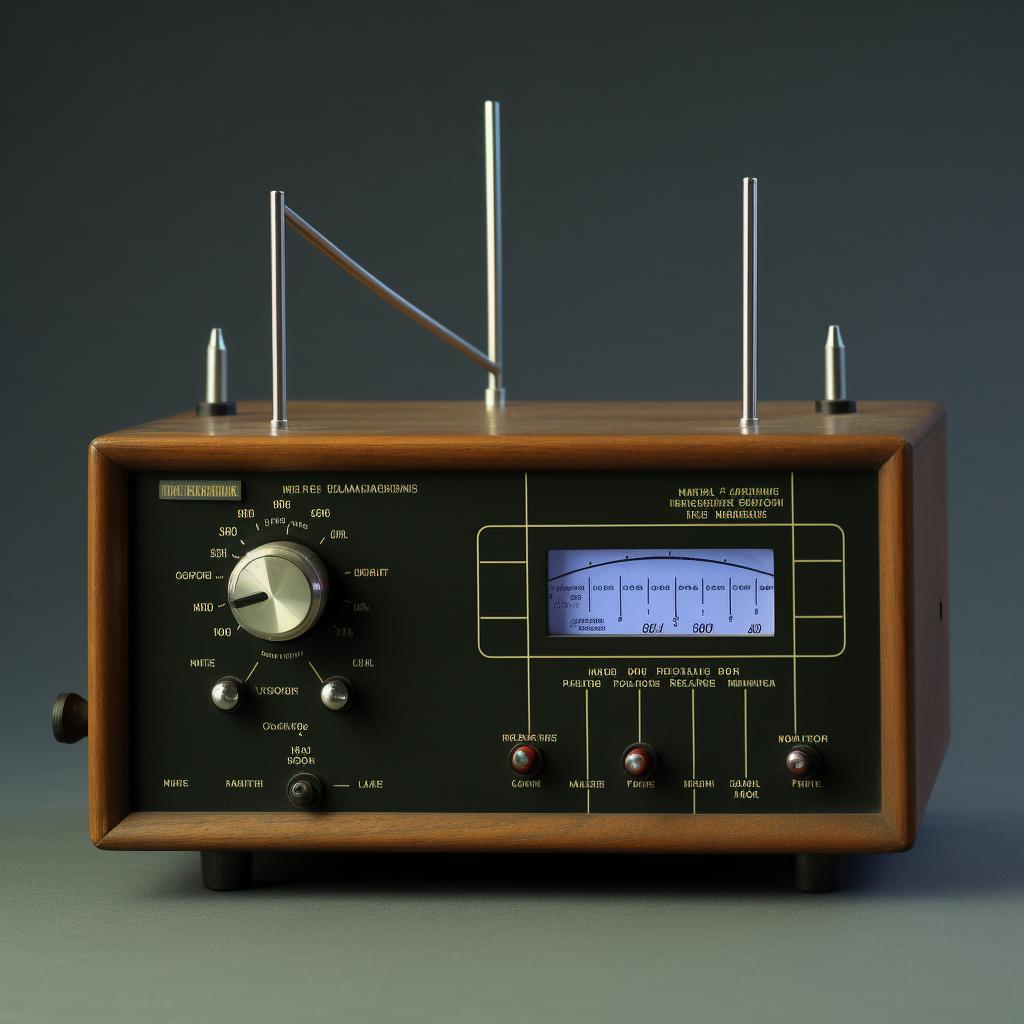
When selecting an assistive listening device, it's essential to consider the specific needs and preferences of the user. Consulting with an audiologist or hearing specialist can help determine the most suitable options and ensure a better listening experience for seniors.
Voice-Activated Assistants
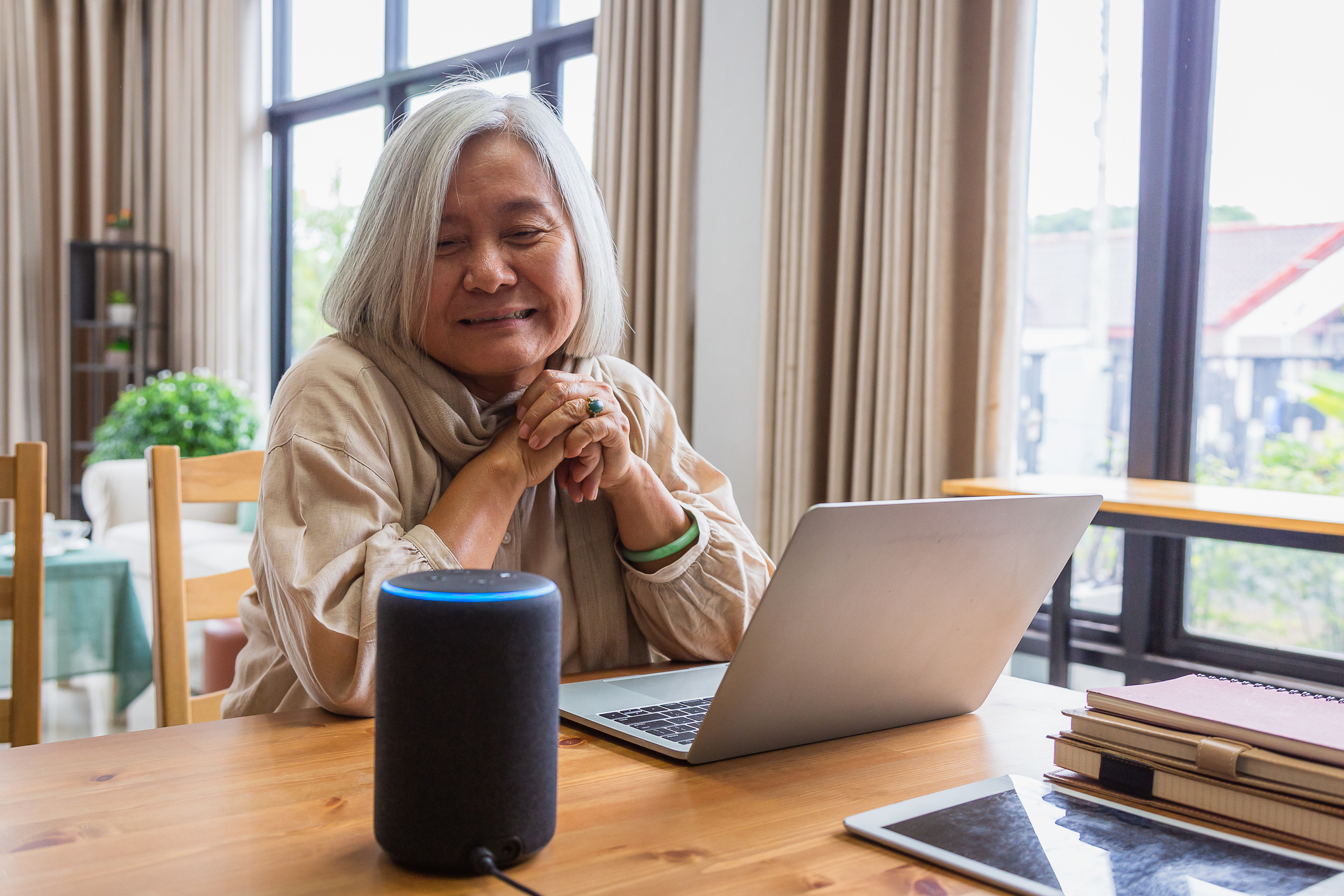
As we age, it's not uncommon to experience difficulties with mobility, vision, or dexterity. Thankfully, voice-activated assistants have emerged as an invaluable tool to help seniors overcome these challenges and maintain their independence. These smart devices are designed to respond to verbal commands, making it easier for older adults to access information, control their environment, and stay connected with loved ones.
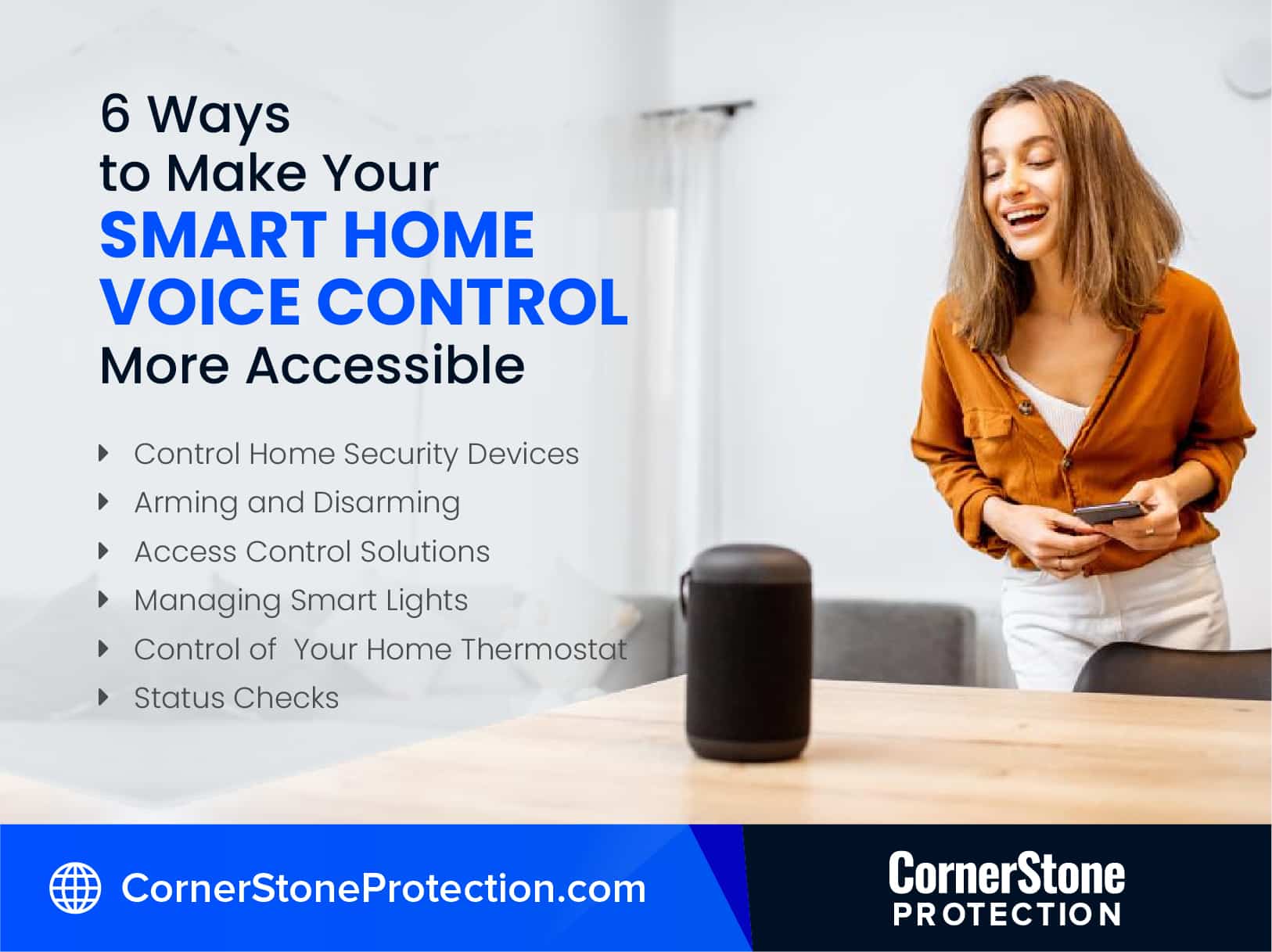
Amazon Echo and Google Home are two popular voice-activated assistants that offer a wide range of features tailored for seniors. With a simple voice command, users can ask for the weather forecast, set reminders, play music, or even call a friend. Additionally, these devices can be integrated with other smart home gadgets, allowing seniors to control lights, thermostats, and security systems without lifting a finger.
For seniors with vision impairments, voice-activated assistants can be particularly helpful. Devices like the Amazon Echo Show come equipped with a screen that can display text in large, easy-to-read fonts, making it easier for seniors to read messages, recipes, or news articles. Plus, the built-in camera allows for video calls, enabling older adults to stay connected with friends and family members from the comfort of their homes.
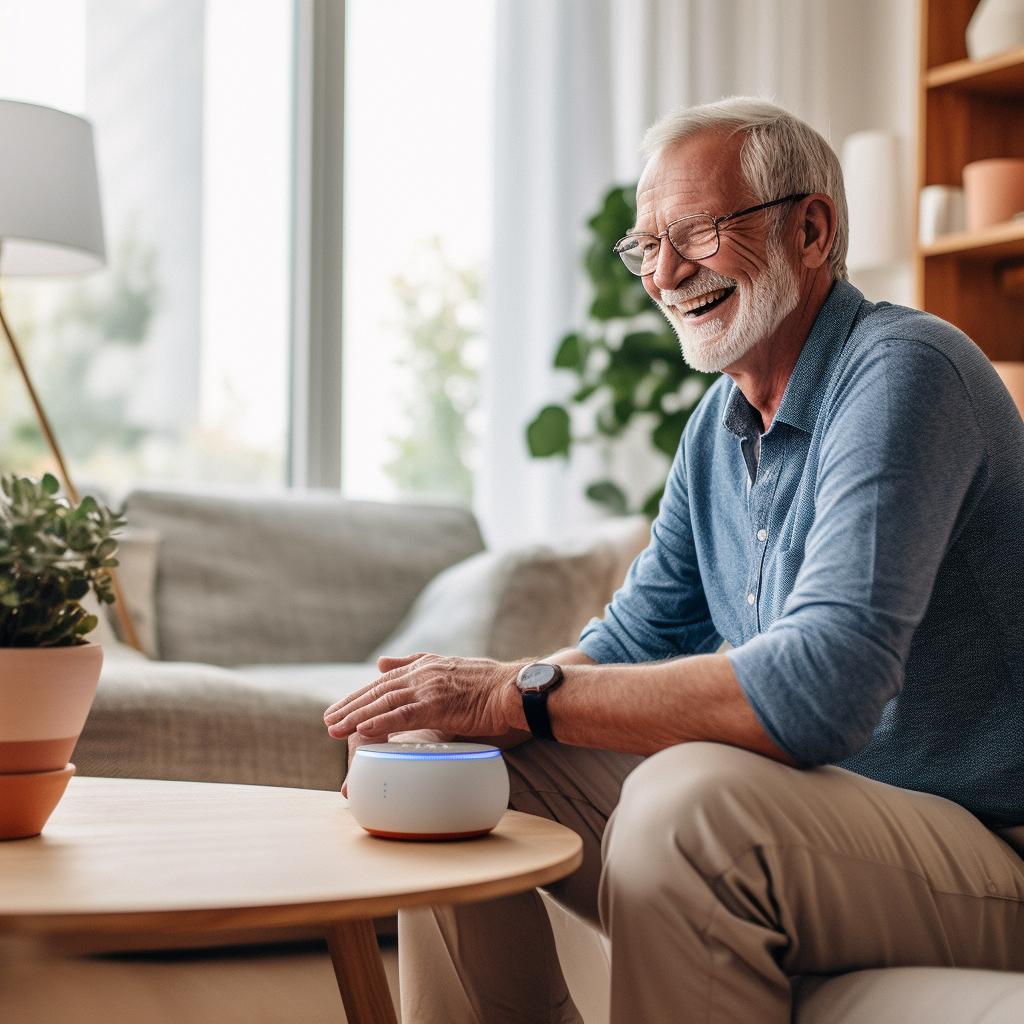
One of the most significant benefits of voice-activated assistants is their potential to improve seniors' safety and well-being. For example, these devices can be programmed to provide medication reminders, ensuring that older adults never miss a dose. Additionally, voice-activated assistants can be connected to emergency response systems, allowing seniors to call for help in case of an accident or medical emergency.
In conclusion, voice-activated assistants are an essential piece of assistive technology that can greatly enhance the lives of seniors. By simplifying daily tasks and providing easy access to information and communication, these devices empower older adults to maintain their independence and stay connected with the world around them.
Tablets and E-readers
As we age, our eyesight and dexterity can decline, making it difficult to enjoy our favorite books and stay connected with friends and family. Thankfully, tablets and e-readers have become increasingly user-friendly and accessible for seniors, offering a range of features that can enhance their daily lives.
Tablets are versatile devices that can be used for various purposes, such as browsing the internet, video calling, playing games, and watching movies. Many tablets come with large, high-resolution screens, making it easier for seniors to read text and view images. Additionally, tablets often have adjustable font sizes and screen magnification options, catering to those with vision impairments. Some popular tablet options for seniors include the Apple iPad, Samsung Galaxy Tab, and Amazon Fire HD.

On the other hand, e-readers are specifically designed for reading digital books and come with features that make them ideal for seniors. E-readers like the Amazon Kindle and Kobo Clara HD have adjustable font sizes, styles, and backlight settings, allowing users to customize their reading experience. These devices also have a glare-free screen that mimics the appearance of printed paper, reducing eye strain and making it comfortable to read for extended periods.

Both tablets and e-readers can be connected to the internet, allowing seniors to access a vast library of books, newspapers, and magazines. This not only saves space but also makes it easier for seniors to discover new reading materials without leaving the comfort of their homes. Additionally, many tablets and e-readers come with built-in accessibility features, such as text-to-speech and voice recognition, making them even more user-friendly for older adults.
In conclusion, tablets and e-readers are valuable assistive technology devices that can help seniors stay engaged, entertained, and connected with the world around them. By choosing a device that meets their specific needs and preferences, older adults can continue to enjoy their favorite pastimes and maintain their independence.
Emergency Response Systems
Emergency Response Systems
As seniors age, their risk of falls, medical emergencies, and other accidents increases. Emergency response systems are designed to provide immediate assistance in these situations, offering seniors and their families peace of mind. These devices typically consist of a wearable pendant or wristband with a button that, when pressed, connects the user to a 24/7 monitoring center. The center can then dispatch emergency services or contact a designated caregiver, depending on the situation.
Medical alert systems are a popular type of emergency response system. They come in various forms, from basic models to more advanced options with GPS tracking and fall detection. Some even offer medication reminders and wellness check-ins. When choosing a medical alert system, it's essential to consider factors such as the range of the device, battery life, and monthly monitoring fees.
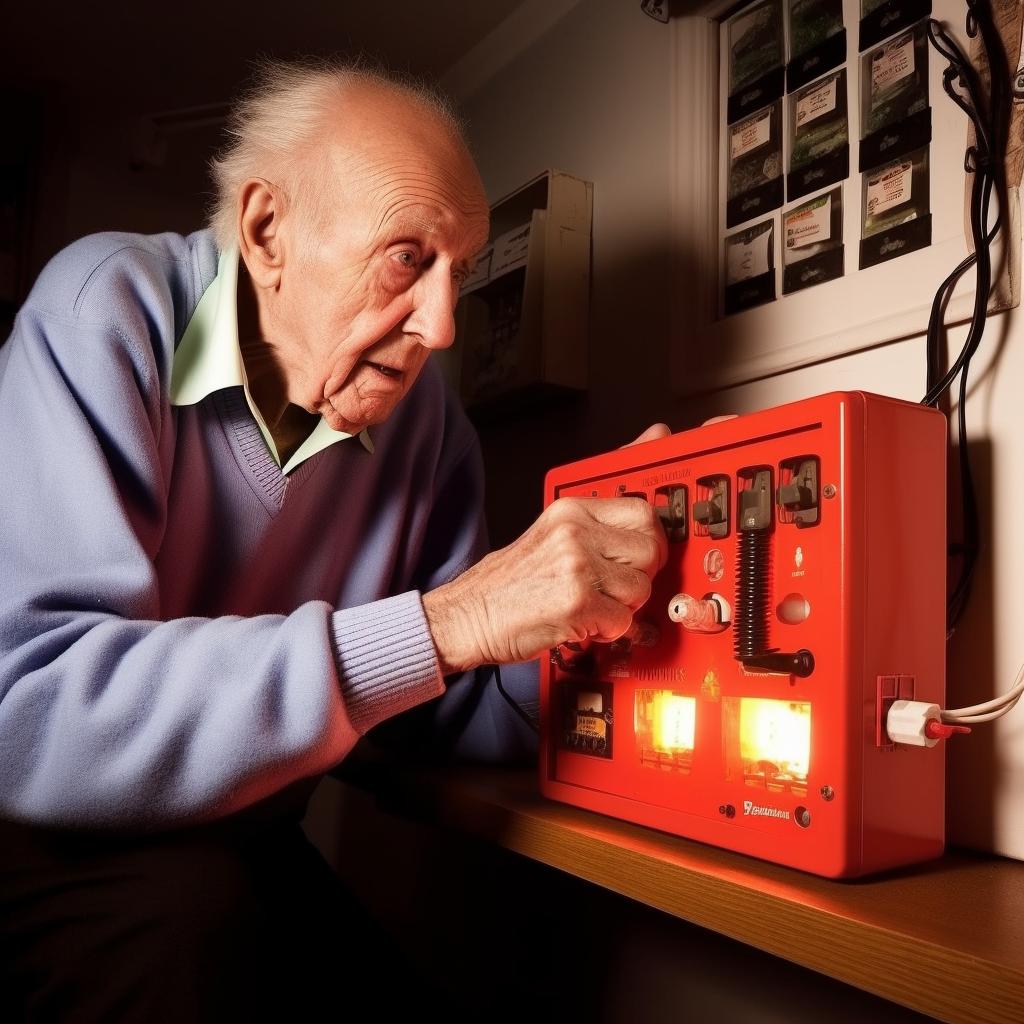
Smart home security systems are another valuable tool for seniors living independently. These systems can include features like door and window sensors, motion detectors, and security cameras. Many smart home security systems can be controlled remotely via a smartphone app, allowing family members to monitor their loved one's safety and receive alerts if any unusual activity is detected.
For seniors with mobility issues, stairlifts and vertical platform lifts can be life-changing. These devices enable seniors to navigate stairs safely and comfortably, reducing the risk of falls and allowing them to maintain their independence. When selecting a stairlift or vertical platform lift, it's crucial to consider factors such as weight capacity, installation requirements, and warranty coverage.
In conclusion, emergency response systems are a vital component of any senior's assistive technology toolkit. By investing in a reliable medical alert system, smart home security system, and mobility aids, seniors can enjoy greater independence and safety in their daily lives.
No comments yet. Be the first to share your thoughts!