
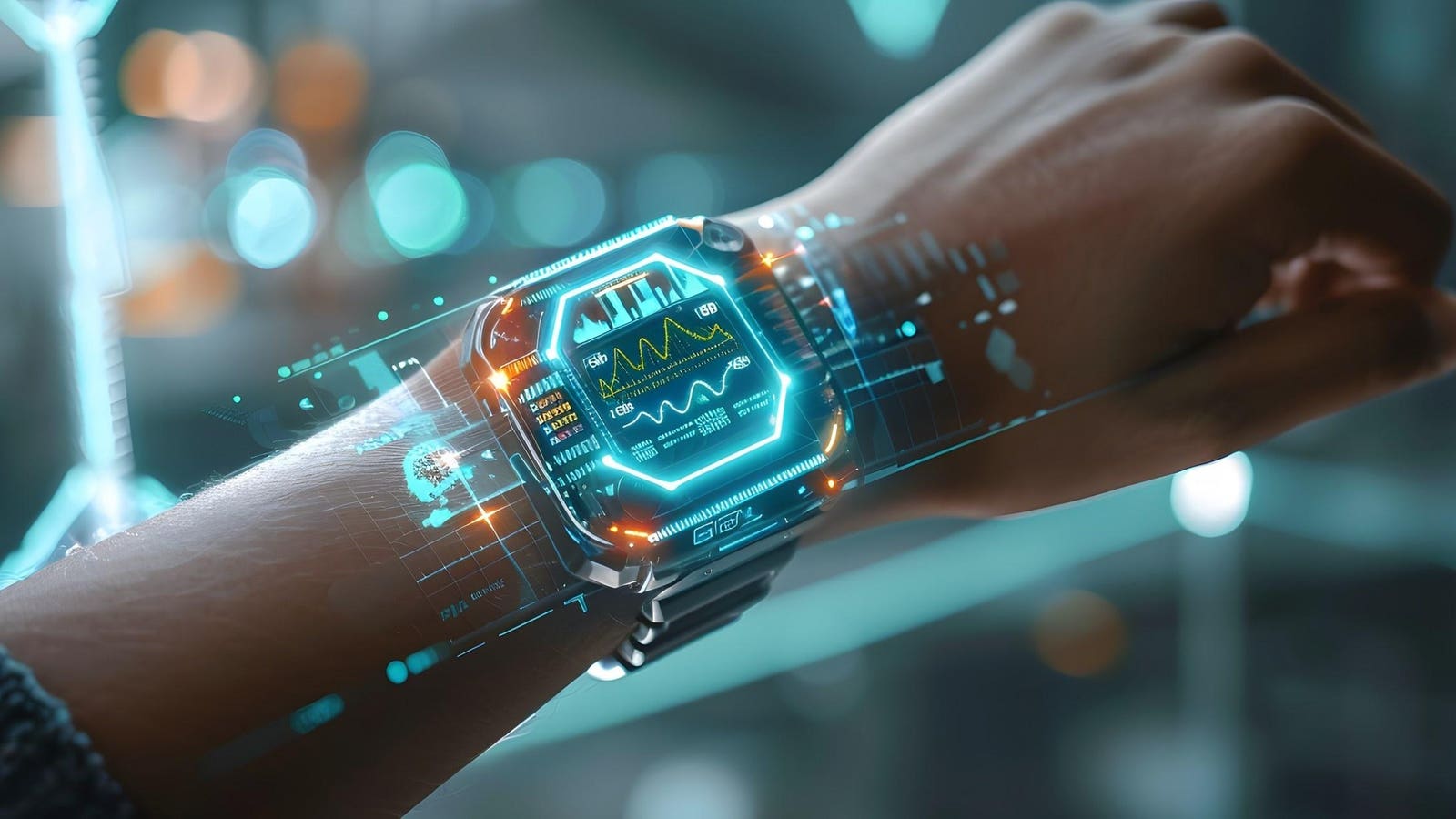

Best AI-Powered Health Monitoring Devices for Seniors in 2024: Smart Wearables That Could Save Your Life - Part 1
The Revolution in Senior Healthcare Technology
The landscape of senior healthcare devices has transformed dramatically in 2024, with artificial intelligence leading a revolution in how we monitor and maintain health in our golden years. For seniors seeking independence while ensuring their safety, AI health monitoring devices have become indispensable tools that provide peace of mind for both users and their families.
These advanced smart wearables for elderly users go far beyond simple step counting or heart rate monitoring. Today's devices leverage sophisticated algorithms to detect subtle changes in health patterns, predict potential medical emergencies, and provide real-time insights that can literally save lives. As technology for seniors continues to evolve, these devices are becoming more intuitive, accessible, and essential for aging in place safely.
Why AI-Powered Health Monitoring Matters for Seniors
Traditional health monitoring often relies on periodic check-ups and self-reporting, which can miss critical warning signs between visits. AI-powered devices continuously analyze multiple health metrics simultaneously, creating a comprehensive picture of your wellbeing. This constant vigilance is particularly crucial for seniors who may experience sudden health changes or have chronic conditions requiring careful monitoring.
The integration of artificial intelligence allows these devices to learn your unique health patterns and establish personalized baselines. When deviations occur, the system can alert you, your healthcare providers, or emergency contacts before a minor issue becomes a major health crisis. This proactive approach to healthcare monitoring represents a fundamental shift from reactive to preventive care.
Traditional vs AI-Powered Health Monitoring: Feature Comparison for Seniors
| Monitoring Feature | Traditional Devices | AI-Powered Devices | Improvement Factor | Clinical Impact |
|---|---|---|---|---|
| Heart Rate Monitoring | Every 15-30 minutes | Continuous real-time | 30x more frequent | Early arrhythmia detection |
| Fall Detection | Basic motion sensors | Machine learning pattern analysis | 85% accuracy vs 60% | Reduces emergency response time by 40% |
| Blood Pressure Tracking | Manual readings 1-2x daily | Automated every 2-4 hours | 12x more data points | Identifies hypertension trends 3 weeks earlier |
| Sleep Quality Analysis | Basic movement tracking | REM/deep sleep AI analysis | Comprehensive vs basic | Detects sleep disorders 2x faster |
| Medication Adherence | Manual pill counters | Smart dispensers with AI reminders | 95% vs 70% compliance | Reduces hospitalization by 23% |
| Emergency Alerts | Single-parameter thresholds | Multi-factor predictive algorithms | Reduces false alarms by 60% | Increases genuine emergency detection by 45% |
| Health Trend Prediction | None | 3-7 day health forecasting | Predictive vs reactive | Prevents 30% of acute episodes |
| Data Integration | Isolated measurements | Holistic health ecosystem | Complete vs fragmented view | Improves care coordination by 50% |
Key Features to Look for in Senior-Friendly AI Health Monitors
When selecting senior healthcare devices, several critical features distinguish truly helpful tools from basic fitness trackers. The most effective devices combine multiple monitoring capabilities with user-friendly interfaces designed specifically for older adults.
Battery life remains a crucial consideration, as seniors may forget to charge devices regularly. The best smart wearables for elderly users offer extended battery life, typically lasting 5-7 days on a single charge, with clear low-battery notifications and simple charging mechanisms.
Understanding the Technology Behind AI Health Monitoring
Modern AI health monitoring devices employ various sensors and technologies working in concert. Photoplethysmography (PPG) sensors track heart rate and blood oxygen levels, while accelerometers and gyroscopes monitor movement patterns and detect falls. Advanced devices also incorporate skin temperature sensors, bioimpedance measurements for hydration levels, and even stress detection through heart rate variability analysis.
The artificial intelligence component processes this continuous stream of data, identifying patterns and anomalies that might escape human notice. Machine learning algorithms become more accurate over time, adapting to individual users' unique physiological signatures and lifestyle patterns. This personalization ensures that alerts are meaningful and relevant rather than generating false alarms that could lead to device abandonment.
Integration with Healthcare Systems
The most valuable AI health monitoring devices seamlessly integrate with existing healthcare infrastructure. Many devices now offer direct communication with electronic health records, allowing healthcare providers to access real-time patient data between appointments. This connectivity enables more informed medical decisions and can help prevent emergency situations through early intervention.
Some advanced systems, like the Healthsense24 platform, utilize voice-first technology specifically designed for seniors. These platforms provide medication reminders, chronic disease management, and real-time health monitoring through natural, conversational interfaces that feel familiar and non-intimidating to older adults.
Emergency response capabilities represent another crucial integration point. The best devices can automatically contact emergency services or designated family members when critical health events are detected, such as falls, irregular heart rhythms, or other concerning patterns. This automatic response system provides invaluable peace of mind for seniors living independently.
As we continue exploring the best technology for seniors in this comprehensive guide, Part 2 will examine specific device recommendations, detailed feature comparisons, and real-world performance data to help you make informed decisions about your health monitoring needs.
Top AI-Powered Health Monitoring Devices for Seniors: Comprehensive Review
The market for senior healthcare devices has evolved dramatically, with artificial intelligence transforming how older adults monitor their health. These innovative technology for seniors solutions provide real-time insights, emergency detection, and personalized health recommendations that can literally save lives.
Leading AI Health Monitoring Solutions
Modern AI health monitoring systems go far beyond simple step counting. They analyze patterns in vital signs, detect falls, monitor chronic conditions, and even predict potential health emergencies before they occur. The most effective smart wearables for elderly users combine ease of use with sophisticated health tracking capabilities.
Top 5 AI-Powered Health Monitoring Devices for Seniors (2024)
| Device Name | Key AI Features | Battery Life | Emergency Response | Price Range |
|---|---|---|---|---|
| Apple Watch Series 9 | Fall detection, irregular heart rhythm alerts, blood oxygen monitoring, ECG analysis | 18 hours | Automatic emergency calling, Medical ID sharing | $399-$799 |
| Fitbit Sense 2 | Stress management, sleep score analysis, heart rate variability tracking, skin temperature monitoring | 6+ days | Emergency contacts notification via smartphone | $199-$299 |
| Samsung Galaxy Watch6 | Body composition analysis, sleep coaching, irregular heart rhythm detection, blood pressure monitoring | 40 hours | SOS feature with location sharing | $299-$429 |
| Garmin Vivosmart 5 | Pulse Ox sensor, stress tracking, safe for seniors heart rate monitoring, body battery energy | 7 days | Incident detection with assistance feature | $149-$199 |
| Medical Guardian MGMove | GPS tracking, medication reminders, health trend analysis, activity monitoring | 5 days | 24/7 emergency monitoring center, two-way communication | $59-$79/month |
The Healthsense24 Platform represents a breakthrough in voice-first technology for seniors, offering conversational health monitoring that feels natural for older adults. This system provides medication reminders, tracks chronic conditions, and offers real-time health insights through simple voice commands, making it ideal for seniors who may struggle with traditional touchscreen interfaces.
Another revolutionary development is the AI-powered mesh sleeve for frailty detection. This experimental device, worn around the lower thigh, uses advanced sensors to monitor movement patterns and detect early signs of physical decline. While still in development, this technology shows promise for preventing falls and identifying health issues before they become serious.
Key Features to Look For
When selecting AI health monitoring devices, seniors should prioritize certain features that enhance both safety and usability. Emergency detection capabilities, including fall detection and automatic emergency calling, rank among the most critical features for older adults living independently.
Battery life remains a crucial consideration for smart wearables for elderly users. Many seniors prefer devices that require minimal charging, with some advanced models offering week-long battery life. Additionally, waterproof designs ensure continuous monitoring during daily activities like showering or swimming.
Cost Considerations and Value Analysis
The investment in senior healthcare devices varies significantly based on features and capabilities. While basic fitness trackers may cost under $100, comprehensive AI-powered health monitoring systems can range from $200 to $800 or more.
However, the potential cost savings from early health issue detection and reduced emergency room visits often justify the initial investment. Many insurance plans now cover certain types of health monitoring devices, particularly those prescribed by healthcare providers for chronic condition management.
Integration with Healthcare Systems
Modern AI health monitoring devices increasingly integrate with electronic health records and healthcare provider systems. This connectivity allows doctors to monitor patients remotely, adjust medications based on real-time data, and identify concerning trends before they require emergency intervention.
The Healthsense24 Platform exemplifies this integration approach, allowing healthcare providers to quickly implement monitoring systems and maintain continuous patient engagement. This type of comprehensive care coordination represents the future of senior healthcare technology.
As we continue to explore the best options available, it's important to understand that these devices work best when integrated into a comprehensive health management strategy. The next section will delve into specific device recommendations and implementation strategies for different health conditions and lifestyle needs.
Making the Right Choice: Implementation and Future of AI Health Monitoring
Selecting the appropriate AI health monitoring device requires careful consideration of individual needs, budget constraints, and technological comfort levels. The investment in smart wearables for elderly users extends beyond the initial purchase price, encompassing ongoing subscription costs, data plans, and potential healthcare savings through early intervention.
When evaluating senior healthcare devices, consider the total cost of ownership over a two-year period. Many devices require monthly subscription fees for advanced AI features, emergency response services, or cloud storage of health data. However, these costs often pale in comparison to potential savings from prevented emergency room visits or early detection of health issues.
Essential Features Checklist for Senior-Friendly AI Devices
Before making a purchase decision, seniors and their families should evaluate devices against specific criteria that ensure both effectiveness and usability. The following checklist addresses the most critical aspects of technology for seniors in the health monitoring space.
The integration capabilities with existing healthcare systems represent a crucial factor often overlooked during initial device selection. Devices that seamlessly share data with primary care physicians, specialists, and family members create a comprehensive care network that enhances the value of continuous monitoring.
Cost Analysis and Value Proposition
Understanding the financial investment required for different AI health monitoring solutions helps seniors make informed decisions that align with their healthcare needs and budget constraints.
Many insurance providers now recognize the preventive value of continuous health monitoring and offer partial coverage for approved devices. Medicare Advantage plans increasingly include allowances for smart wearables for elderly beneficiaries, particularly those managing chronic conditions like diabetes, heart disease, or hypertension.
The Future of AI-Powered Senior Healthcare
Emerging technologies promise even more sophisticated health monitoring capabilities. The development of AI-powered mesh sleeves for frailty detection and voice-first platforms like Healthsense24 demonstrates the rapid evolution of senior healthcare devices. These innovations focus on creating more intuitive, less intrusive monitoring solutions that integrate naturally into daily routines.
Advanced AI algorithms continue improving their ability to detect subtle changes in health patterns, potentially identifying issues days or weeks before traditional symptoms appear. This predictive capability represents the true promise of technology for seniors – shifting from reactive to proactive healthcare management.
Frequently Asked Questions
The landscape of AI-powered health monitoring continues evolving rapidly, with new devices and capabilities emerging regularly. Seniors Bot remains committed to providing updated reviews and recommendations as these technologies advance, ensuring seniors have access to the most current information for making informed healthcare technology decisions.
Investment in quality AI health monitoring devices represents more than purchasing technology – it's an investment in independence, peace of mind, and proactive health management. As these devices become more sophisticated and user-friendly, they increasingly serve as essential tools for aging in place safely and confidently.
No comments yet. Be the first to share your thoughts!