
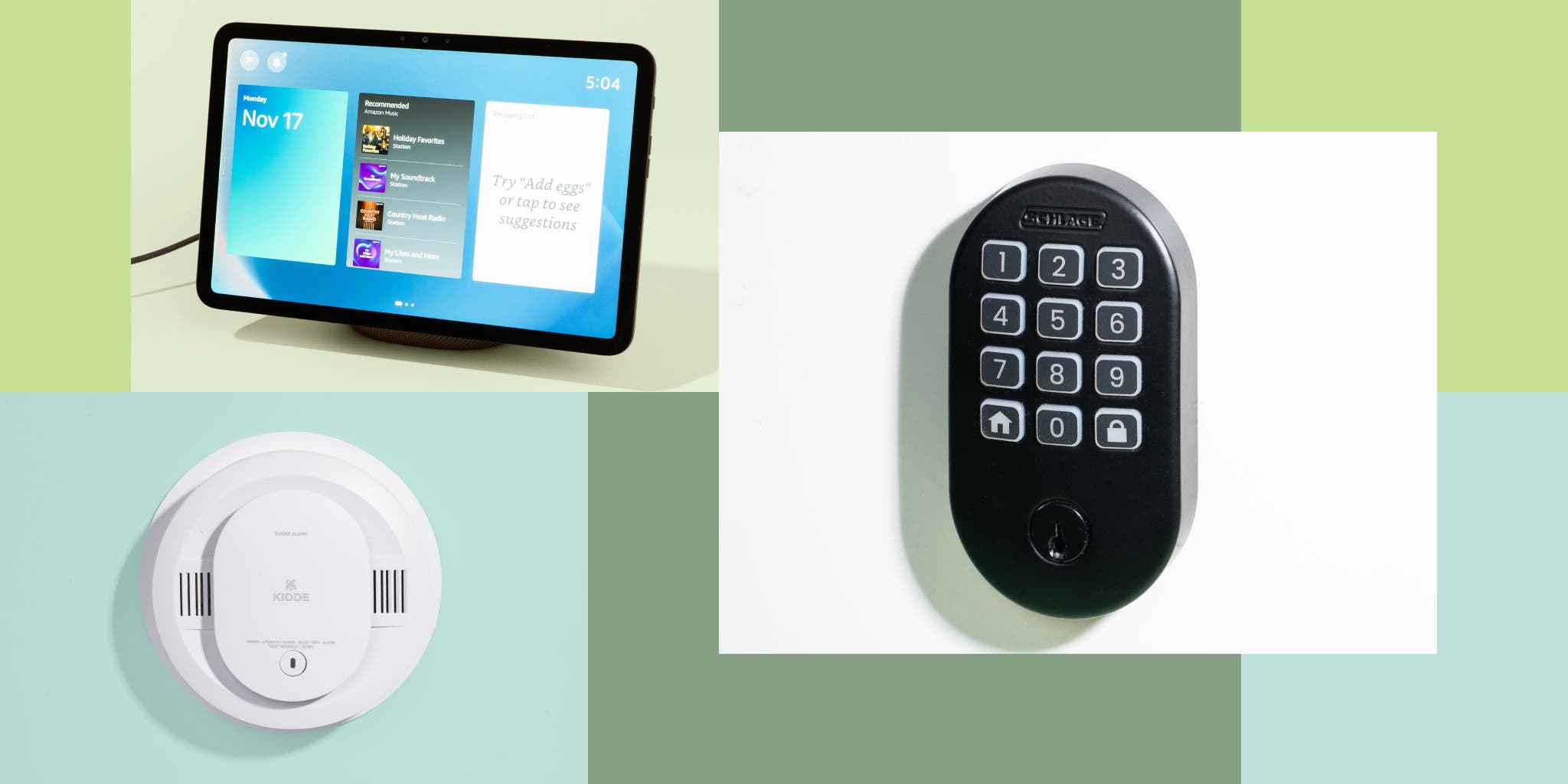

Start with technology seniors
The devices on this list were chosen for one reason: they reduce daily friction. We focused on tools that help older adults manage health, safety, and routine tasks without requiring a degree in technology to set them up. If a gadget requires constant charging, complex pairing, or tiny screens, it doesn't belong here.
Our selection criteria prioritized voice control, automatic alerts, and simplicity. For example, smart speakers are often the best starting point because they let users ask for weather, set medication reminders, or call family members without touching a small touchscreen. We also looked for devices that integrate with existing home systems, ensuring that adding one tool doesn't create a new headache.
We excluded products that rely on complex apps or frequent software updates that might confuse users. Instead, we selected hardware that works reliably out of the box. The goal is to support independence, not add to the cognitive load. Each recommendation below includes a short note on why it fits this standard.
10 Smart Home Assistive Devices for Aging in Place in 2026
Use this section to make the Top 10 Smart Home Assistive Devices for Aging in Place decision easier to compare in real life, not just on paper. Start with the reader's actual constraint, then separate must-have requirements from details that are merely nice to have. A practical choice should survive normal use, maintenance, timing, and budget. If a recommendation only works in an ideal situation, call that out plainly and give the reader a fallback path.
The simplest way to use this section is to write down the must-have criteria first, then compare each option against those criteria before weighing nice-to-have features.
Pick the right fit
Use this section to make the Top 10 Smart Home Assistive Devices for Aging in Place decision easier to compare in real life, not just on paper. Start with the reader's actual constraint, then separate must-have requirements from details that are merely nice to have. A practical choice should survive normal use, maintenance, timing, and budget. If a recommendation only works in an ideal situation, call that out plainly and give the reader a fallback path.
-
Verify the basicsConfirm the core specs, condition, and fit before comparing extras.
-
Price the downsideLook for the repair, maintenance, or replacement cost that would change the decision.
-
Compare alternativesCheck at least two comparable options before treating one listing as the benchmark.
-
Voice-Controlled Smart Speakers Devices like the Amazon Echo Show or Google Nest Hub serve as the central nervous system for many seniors. They eliminate the need to navigate complex menus or type on small screens. You can ask for weather updates, set medication reminders, make hands-free calls, or play music. Look for models with large, high-contrast displays and physical volume buttons for easy access.
-
Smart Thermostats Maintaining a comfortable temperature is crucial for health, especially for those with respiratory issues. Smart thermostats like the Ecobee or Nest learn your schedule and adjust automatically. They can also send alerts if the temperature drops too low, preventing hypothermia risks during power outages or heating failures. Many models integrate with voice assistants for simple verbal adjustments.
-
Automated Lighting Systems Poor lighting is a major cause of falls. Smart bulbs and switches (like Philips Hue or Lutron Caseta) allow for automated routines. Lights can turn on gradually at night when motion is detected in hallways or bathrooms, providing safe navigation without fumbling for switches. Voice control also lets users turn lights on or off from bed or a chair.
-
Video Doorbells Security and peace of mind are enhanced by video doorbells like Ring or Nest Doorbell. They allow seniors to see and speak to visitors without opening the door. Features like motion detection and package alerts provide an extra layer of security. Ensure the model has a clear view and easy-to-use interface, preferably with voice announcement capabilities.
-
Medical Alert Systems with Fall Detection Traditional pendants are still effective, but modern systems like Life Alert or MobileHelp offer more advanced features. Look for devices with automatic fall detection, GPS tracking for on-the-go safety, and two-way talk. These systems connect directly to monitoring centers, ensuring help arrives quickly even if the user cannot speak.
-
Smart Pill Dispensers Medication management can be challenging. Smart dispensers like Hero or Medisafe track doses and send alerts via voice or light if a dose is missed. Some models even dispense the correct pills automatically. This reduces the risk of missed or double doses, a common issue among seniors managing multiple prescriptions.
-
Water Leak Detectors Water damage can be costly and dangerous. Smart water leak detectors (like Moen or August) place under sinks, near water heaters, or in basements. They send immediate alerts to your phone if moisture is detected, allowing for quick action to prevent extensive damage or mold growth. Many integrate with smart valves to automatically shut off water supply.
-
Simplified Tablets For seniors who prefer visual interfaces, simplified tablets like the GrandPad or iPad with accessibility features enabled are excellent. They offer large icons, simplified menus, and pre-loaded apps for video calls, photos, and games. These devices help combat social isolation by making it easy to stay connected with family and friends.
-
Smart Locks Forgetting keys or losing them can be stressful. Smart locks like August or Yale Assure allow entry via code, key fob, or even voice commands (if integrated with a smart speaker). They also provide a log of who enters and exits, which is useful for caregivers or family members checking in. Some models offer auto-lock features to ensure doors are always secured.
-
Activity Monitors and Wearables Devices like the Apple Watch or Fitbit can monitor heart rate, sleep patterns, and activity levels. For seniors, features like fall detection, emergency SOS, and medication reminders are particularly valuable. They encourage gentle physical activity and provide data that can be shared with healthcare providers to monitor overall health trends.
Frequently asked questions about smart home assistive devices
What is the best technology for the elderly? Smart speakers and voice assistants are often the most accessible entry point for aging in place. Because they rely on voice commands rather than small touchscreens, seniors can control lights, set medication reminders, or call family members without navigating complex menus. This hands-free interaction reduces the cognitive load and physical dexterity required to manage a smart home.
How can technology help seniors age in place? Technology supports independence by addressing both safety and social connection. Medical alert systems and fall detectors provide immediate emergency response, while smart sensors can monitor daily activity patterns to alert caregivers of unusual inactivity. Additionally, simplified tablets and video conferencing tools help reduce isolation, which is critical for mental health and overall wellness.
What should a 70-year-old be doing every day at home? Daily routines should balance gentle physical activity with mental stimulation. Light exercise like walking or stretching helps maintain mobility and strength, while activities like reading, puzzles, or learning new skills keep the brain sharp. Smart home devices can facilitate this by providing easy access to news, audiobooks, or guided exercise videos through voice commands.
How often should a 78-year-old woman shower? For many older adults, daily bathing can be physically demanding or risky due to mobility issues. However, showering once or twice a week is generally sufficient to maintain hygiene and prevent skin conditions. Smart bathroom sensors can help monitor these routines to ensure safety without requiring constant direct supervision.
Helpful gear
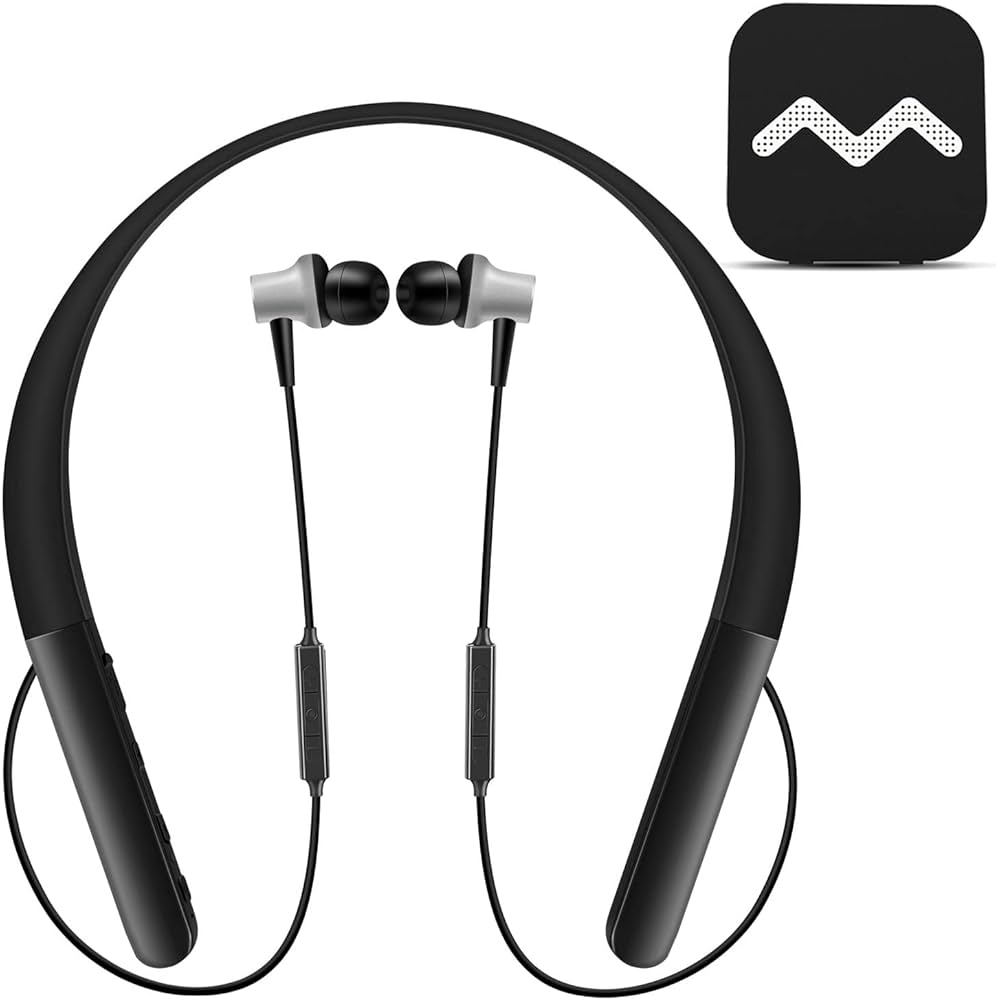
Use these product recommendations as a starting point, then choose the size, material, and price point that fit how you actually use the gear.


As an Amazon Associate, we may earn from qualifying purchases.
No comments yet. Be the first to share your thoughts!