


Meet the seniors bot
We built this list around the "seniors bot" concept: AI devices that don't just react, but anticipate. Unlike standard smart speakers that wait for a command, these gadgets initiate contact. They check in on medication schedules, suggest activities to combat loneliness, and alert family members if activity drops.
Our selection process focused on practical utility over novelty. We prioritized devices with genuine voice interaction capabilities and proven reliability in home settings. Each entry was chosen for its specific ability to support aging in place, balancing technological sophistication with ease of use for older adults.
10 AI-Powered Elderly Gadgets of 2026: Essential Tech for Aging in Place
These ten AI-powered gadgets bridge the gap between independence and safety, offering concrete tools for aging in place. We evaluate specific models based on real-world reliability, setup ease, and practical daily utility rather than abstract promises.
1. Proactive AI Companion Robot
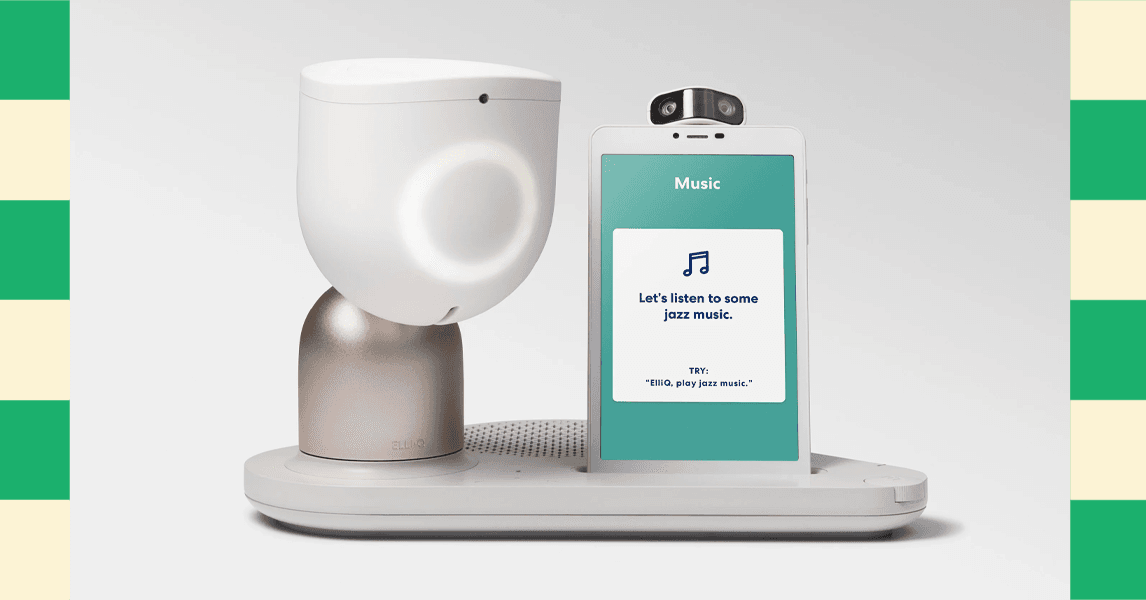
Robots like ElliQ represent the cutting edge of social AI for seniors. Unlike passive speakers, ElliQ proactively initiates conversations, suggests reminiscing activities, and reminds users to take medication or stay hydrated. It uses natural language processing to engage in meaningful dialogue, reducing loneliness and cognitive decline. The device sits on a table and uses a screen and speaker to interact, requiring minimal physical effort from the user.
2. Smart Medication Dispenser with Voice Alerts
Managing complex medication schedules is a common challenge for seniors. Smart dispensers like the Hero or Medisafe automatically sort pills into daily compartments and provide audible and visual alerts when it’s time to take medication. If a dose is missed, the system can notify family members via an app. Some models even use voice confirmation to ensure the user has taken the correct pill, reducing the risk of dangerous errors.

3. AI Video Doorbell with Face Recognition
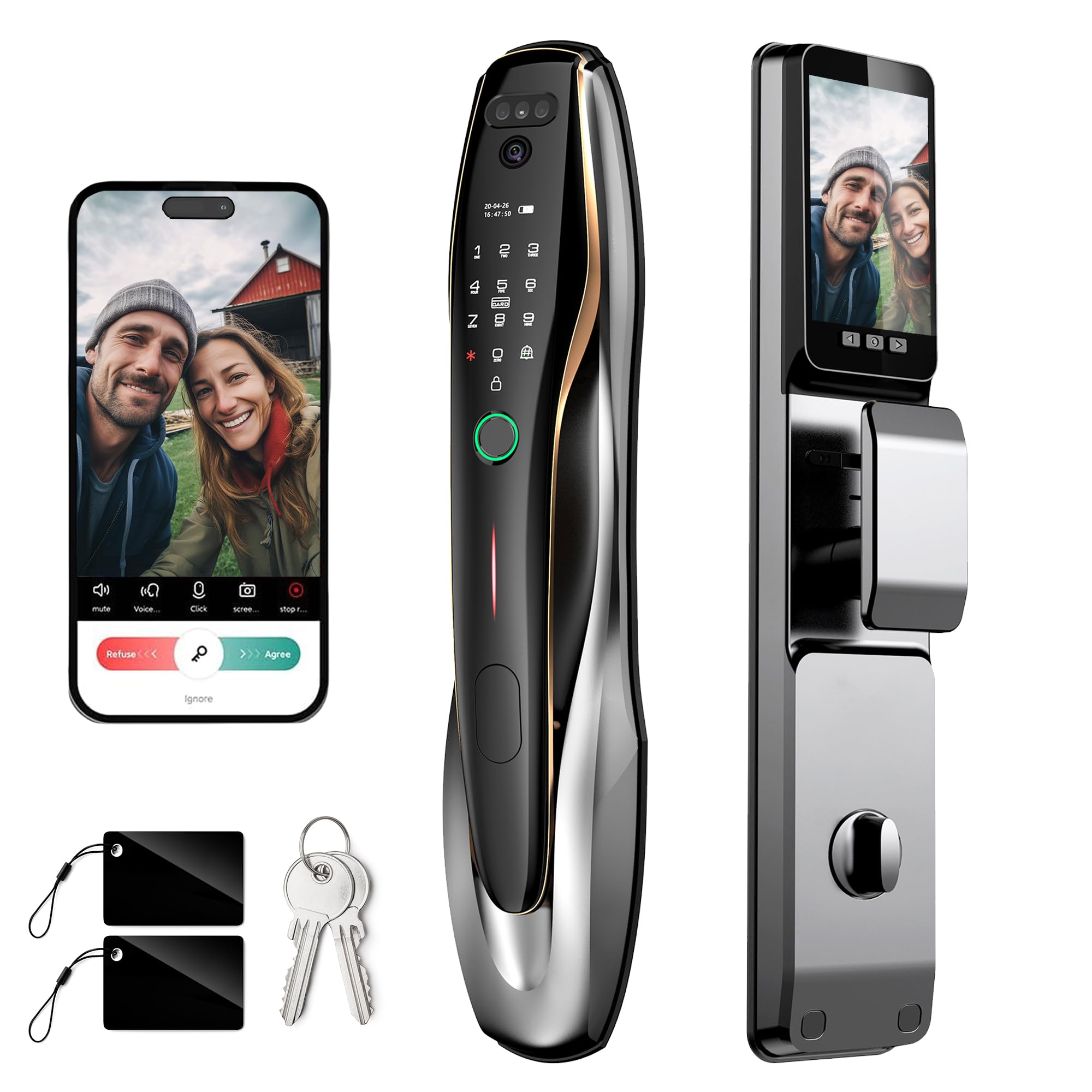
AI-enabled video doorbells now distinguish between familiar faces and strangers, reducing unnecessary anxiety for seniors living alone. These devices learn who regularly visits, sending only relevant motion alerts for unknown individuals. High-definition night vision and two-way audio allow residents to verify visitors safely from inside. This layer of security prevents door-related scams and provides a sense of safety without requiring constant vigilance.
4. GPS Location Tracker for Dementia Patients
A wearable GPS tracker provides peace of mind for families managing early-stage dementia. These compact devices use cellular networks to pinpoint location in real time, allowing caregivers to set up virtual geofences. When the wearer wanders beyond a safe zone, instant alerts are sent to smartphones. This technology reduces anxiety and ensures rapid response if the individual becomes disoriented or lost in familiar surroundings.

5. Smart Thermostat with Habit Learning
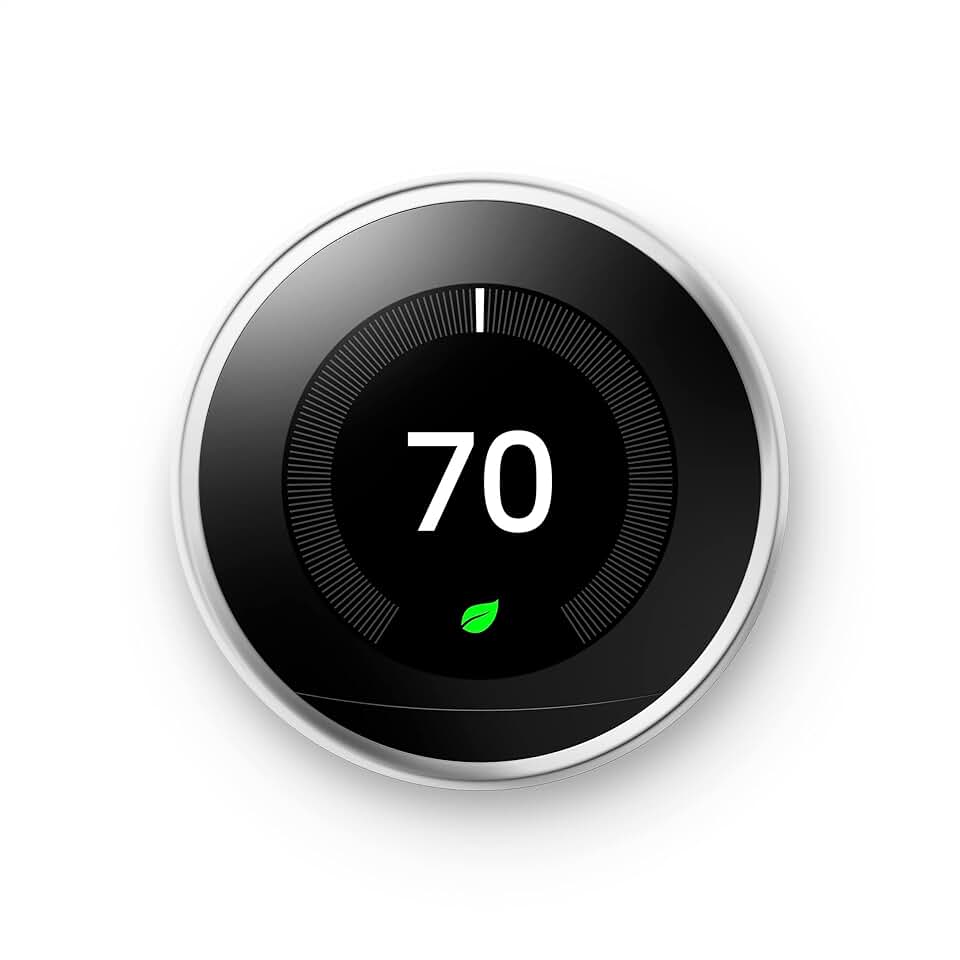
Smart thermostats that learn daily routines help maintain consistent indoor temperatures without manual adjustments. These systems analyze heating and cooling patterns, automatically adapting to the senior’s schedule to prevent drafts or overheating. Energy savings are significant, but the primary benefit is comfort and simplicity. Users no longer need to decipher complex dials; the device handles climate control intelligently in the background.
6. Automated Lighting System with Motion Detection
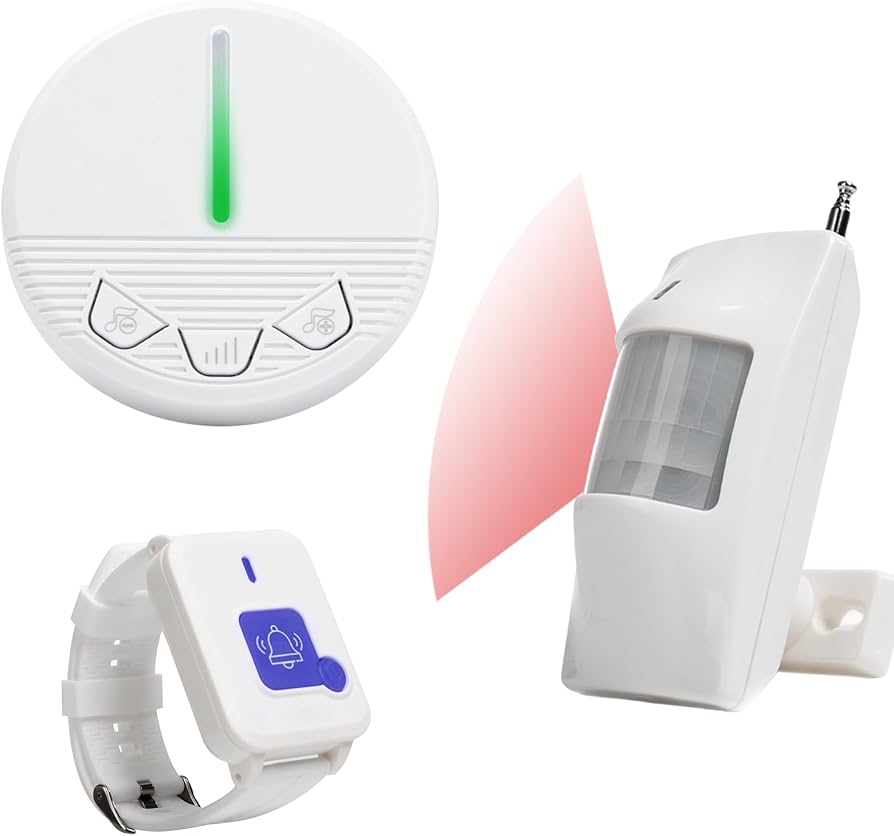
Motion-activated lighting systems eliminate the risk of tripping over dark floors during nighttime bathroom trips. Sensors detect movement and gradually illuminate pathways with soft, warm light that doesn’t disrupt sleep cycles. These systems can be set to turn off automatically after a period of inactivity, ensuring energy efficiency. For those with limited mobility, this hands-free illumination provides crucial safety and independence in the home.

7. AI Health Monitoring Watch with ECG
Advanced smartwatches now offer medical-grade ECG monitoring and fall detection, providing critical health data to users and their doctors. These devices track heart rhythm abnormalities, blood oxygen levels, and sleep quality, alerting caregivers to potential issues before they become emergencies. The intuitive interface allows seniors to check their vitals easily. This proactive health monitoring supports aging in place by keeping chronic conditions under control.

8. Smart Fall Detector with No Wearable Required
Traditional fall detectors often require a pendant or watch, which seniors may forget to wear. Newer AI-powered fall detectors use radar or camera-based technology (with privacy filters) to detect falls in common areas like bathrooms and living rooms without wearable devices. They can distinguish between a fall and a squat, reducing false alarms. When a fall is detected, they automatically call emergency contacts or services.
9. Voice-Enabled Smart Display for Video Calls
For seniors who struggle with smartphones, a large-screen smart display with voice control simplifies communication. Devices like the Echo Show or Google Nest Hub allow users to initiate video calls with family members using simple voice commands like "Call Sarah." They also serve as digital photo frames, displaying rotating images of grandchildren and family memories, which can boost mood and connection.

10. AI-Powered Pet Companion for Loneliness
For seniors who cannot care for a live pet, AI robotic pets like Joy for All provide companionship without the physical demands. These lifelike robots purr, blink, and respond to touch, offering emotional comfort and reducing feelings of isolation. They are particularly beneficial for those with dementia, as they can trigger positive memories and provide a sense of purpose through care-taking activities like feeding or grooming.

Pick the right fit
Choosing the best AI gadget for aging in place comes down to matching the technology to the person, not the other way around. A high-tech robot that overwhelms a user is worse than no tech at all. Start by identifying the primary daily friction point, then select a device that addresses it with minimal setup.
Assess cognitive load and comfort
Some seniors thrive on interactive voice assistants, while others find constant monitoring intrusive or confusing. If the user is tech-savvy, a conversational companion like ElliQ can encourage engagement and routine adherence through proactive interaction. For those who prefer passive support, simple fall detectors or medication dispensers with clear physical buttons reduce anxiety and decision fatigue. Match the interface complexity to the user’s comfort level with technology.
Verify connectivity and support
AI gadgets rely on stable Wi-Fi and often require app-based setup or updates. Ensure the home network can handle the device without degrading other essential connections. Check if the manufacturer offers remote assistance for troubleshooting, as technical glitches can quickly frustrate elderly users. Devices with local processing capabilities may be preferable for privacy-conscious households or areas with spotty internet, though they may lack some cloud-based features.
Prioritize safety and ease of use
The most useful gadget is the one that remains active and charged. Look for devices with long battery life, automatic shut-off, and simple charging docks. Safety features like fall detection or geofencing should be accurate enough to prevent false alarms but sensitive enough to catch real issues. Avoid devices that require complex monthly subscriptions for basic functionality, as these can become a burden over time.


As an Amazon Associate, we may earn from qualifying purchases.
No comments yet. Be the first to share your thoughts!