


Why AI matters for home safety
The shift from reactive to proactive monitoring is the defining feature of modern senior healthcare devices. Traditional sensors often rely on simple motion triggers, which can miss critical events or generate false alarms. AI-powered devices, however, use machine learning algorithms to distinguish between normal daily activity and genuine emergencies. This capability is essential for aging in place, where reliability is a matter of safety, not just convenience.
For example, a fall detection algorithm doesn't just register a sudden impact; it analyzes movement patterns to confirm whether a person is truly incapacitated. This reduces the anxiety associated with false alerts while ensuring that help is dispatched when it is actually needed. According to research on medical device management, appropriate use and user trust are significant barriers for older adults. AI-driven clarity helps overcome these hurdles by providing accurate, context-aware monitoring.
The scope of these devices extends beyond simple tracking. They include wearable ECG monitors, smart oximeters, and ambient sensors that learn a senior's routine. By focusing on concrete AI features like pattern recognition and anomaly detection, these tools offer a layer of protection that traditional medical equipment cannot. This proactive approach allows seniors to maintain their independence while giving families peace of mind through real-time, intelligent oversight.
10 AI-Powered Senior Healthcare Devices for Aging in Place
Aging in place requires more than convenience; it demands reliable safety nets backed by verified clinical data. This roundup evaluates ten specific AI-powered devices, prioritizing fall detection algorithms and health monitoring systems that meet rigorous official health standards.
-
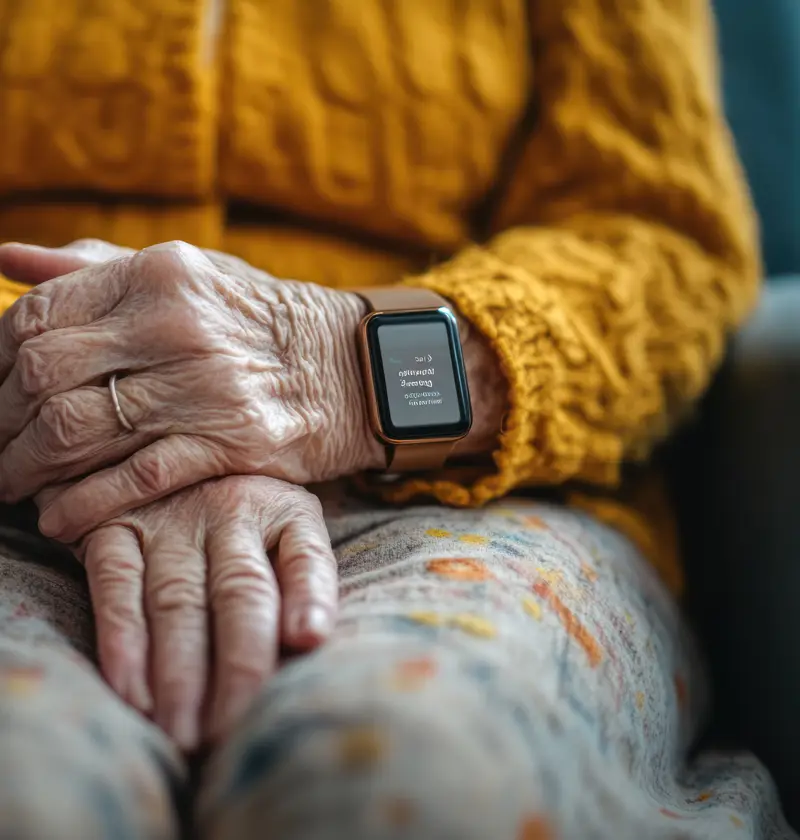
Apple Watch Series 9 fall detection
The Apple Watch Series 9 utilizes a dedicated accelerometer and gyroscope to detect hard falls, automatically triggering an emergency call if the wearer remains immobile. This critical safety feature operates independently of phone connectivity, ensuring help arrives even during isolated incidents. For seniors living alone, this algorithmic vigilance provides a vital lifeline, transforming a standard smartwatch into a reliable guardian against sudden medical emergencies. -
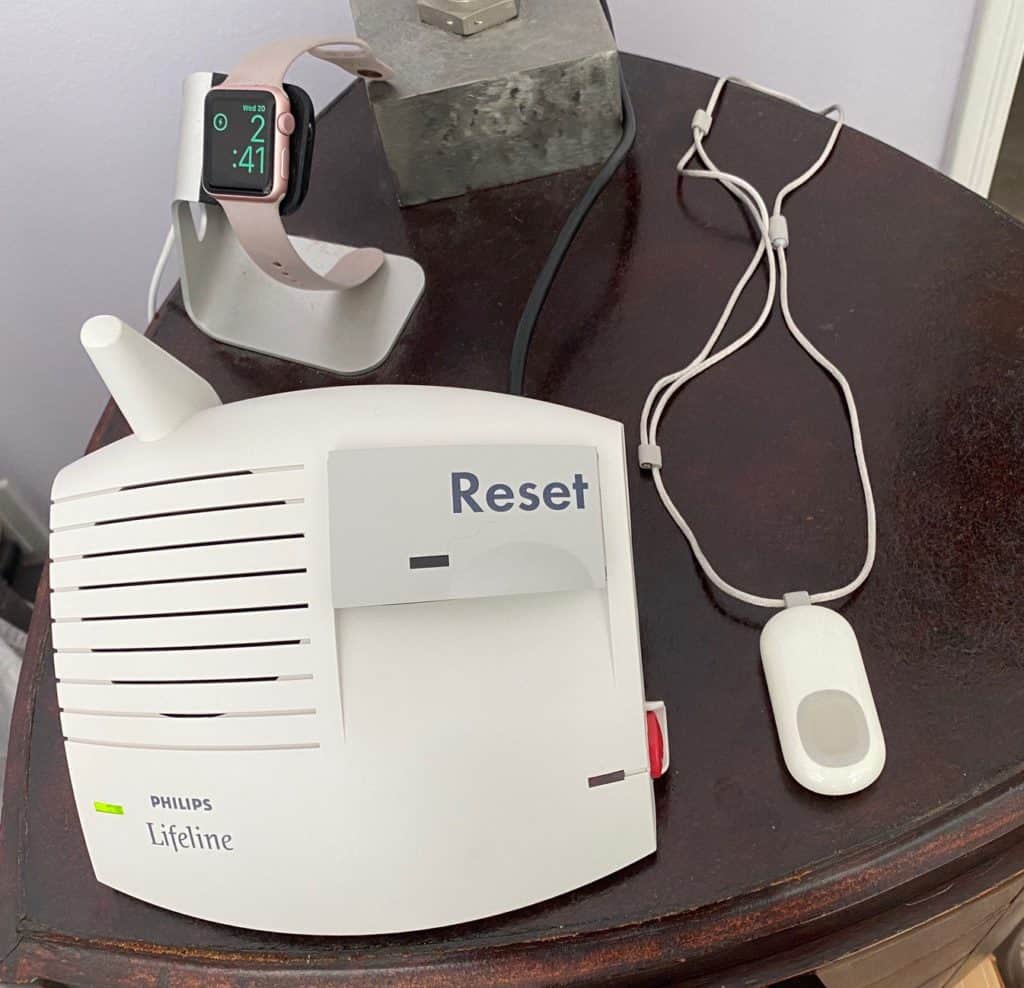
Philips Lifeline LifeAlert wearable button
Philips Lifeline offers a dedicated wearable button that connects directly to a 24/7 response center, prioritizing immediate human assistance over automated alerts. Unlike smartphone apps, this device requires no charging routines or complex setup, relying instead on cellular networks for consistent uptime. Its simplicity ensures that even users with limited tech literacy can summon help instantly during a crisis, providing peace of mind through proven, dedicated infrastructure. -

MedMinder smart pill dispenser system
MedMinder automates medication adherence by dispensing specific doses at programmed times, accompanied by visual and auditory alerts. If a dose is missed, the system notifies designated caregivers via text or email, preventing dangerous drug interactions or health deterioration. This mechanical reliability removes the cognitive burden of memory management, ensuring seniors receive prescribed treatments consistently without relying on fallible human recall. -

CarePredict activity monitoring wearable
CarePredict employs AI-driven activity monitoring to establish baseline behavioral patterns, flagging deviations that may indicate health declines or cognitive changes. By analyzing movement data over time, the system identifies subtle shifts in daily routines, such as reduced mobility or sleep disturbances, before they become critical issues. This proactive approach allows caregivers to intervene early, maintaining independence through data-informed support rather than reactive emergency measures. -
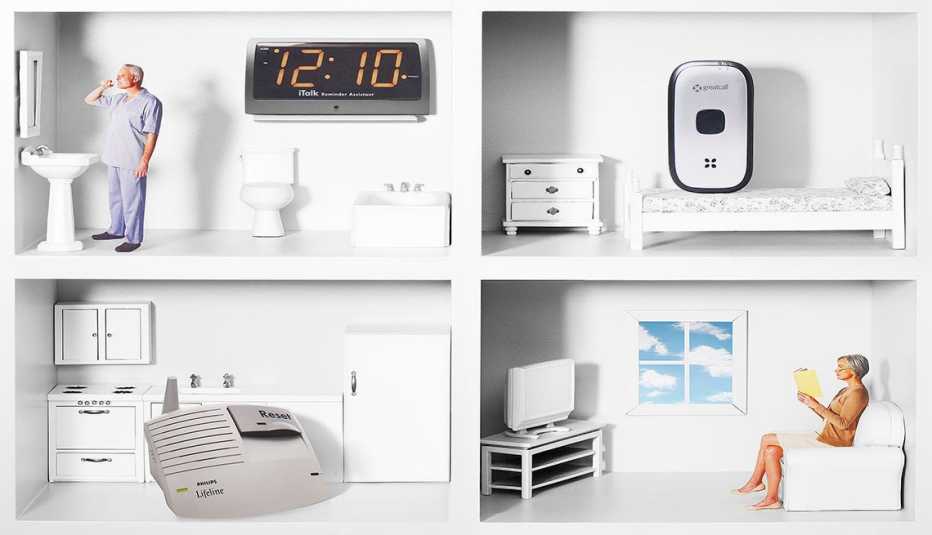
GrandCare Assisted Living sensors
GrandCare installs non-invasive sensors throughout the home to monitor daily activities like door usage and room transitions without requiring wearable devices. This invisible infrastructure detects anomalies in routine, such as prolonged inactivity or unusual nighttime movements, alerting caregivers to potential risks. By preserving privacy while ensuring constant oversight, it offers a comprehensive safety net for seniors who resist wearing external monitoring technology. -
Vayyar Home AI room sensor
The Vayyar Home AI sensor utilizes 4D imaging radar to monitor movement without cameras, preserving privacy while detecting falls or unusual inactivity. Unlike wearable devices, it requires no user interaction, making it ideal for seniors with cognitive decline. The system distinguishes between normal daily routines and critical events, alerting caregivers via mobile app when anomalies occur. This non-intrusive approach ensures continuous safety monitoring in living spaces without the stigma or burden of wearing a device. -

Lively Home safety hub
The Lively Home system combines a central hub with wearable pendants and motion sensors to create a comprehensive safety net. It monitors activity patterns to detect subtle changes that may indicate health issues or falls. The hub connects directly to emergency services, ensuring rapid response even if the user cannot press a button. By analyzing daily routines, it provides peace of mind for families, offering proactive alerts rather than just reactive emergency calls, thereby enhancing independent living security through consistent behavioral tracking. -
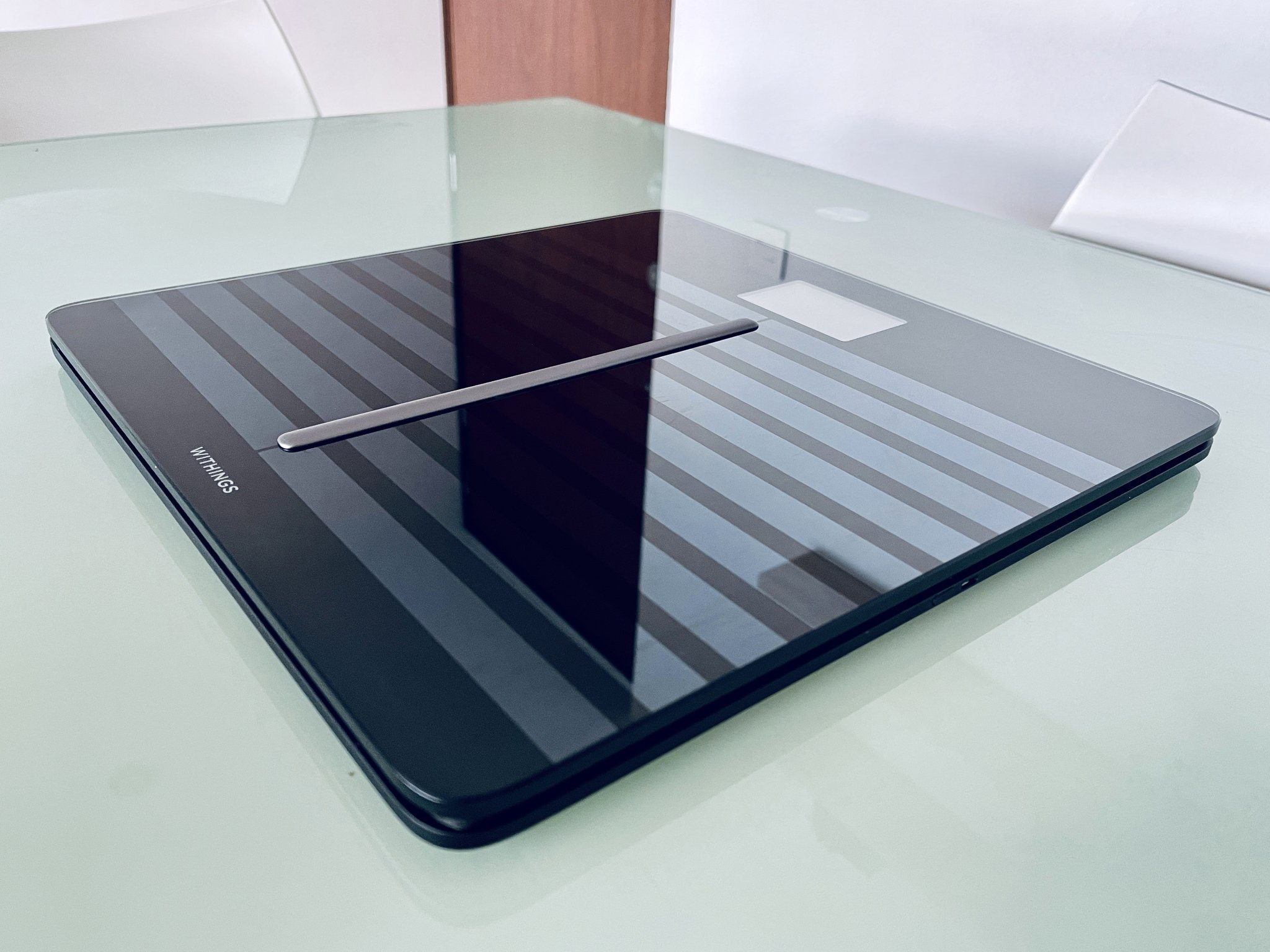
Withings Body Cardio smart scale
The Withings Body Cardio scale goes beyond weight by measuring heart rate and vascular age, offering early indicators of cardiovascular health. Its AI analyzes trends over time to detect irregularities like atrial fibrillation, prompting users to seek medical advice. The device syncs with health apps, providing doctors with longitudinal data crucial for managing chronic conditions. By integrating body composition metrics with cardiovascular insights, it serves as a critical tool for proactive health management, helping seniors monitor their heart health from the comfort of their bathroom. -

Oura Ring Gen3 health tracker
The Oura Ring Gen3 tracks sleep stages, heart rate variability, and readiness scores to optimize recovery and energy levels. Its AI algorithms interpret physiological data to suggest personalized adjustments for better rest and stress management. This discreet wearable helps seniors identify patterns affecting their overall well-being, such as poor sleep quality or elevated stress. By focusing on holistic health metrics rather than just activity, it empowers users to make informed lifestyle choices that support long-term vitality and cognitive function, all without the bulk of traditional fitness trackers. -

Google Nest Hub emergency assistance
The Google Nest Hub offers voice-activated emergency assistance, allowing seniors to call for help hands-free during critical situations. It integrates with Google Assistant to provide medication reminders, video calls with family, and access to emergency services. The device’s AI understands natural language commands, making it accessible for those with limited tech proficiency. By serving as a central communication hub, it reduces isolation and ensures immediate support is available, blending convenience with a reliable safety net for aging in place.
Compare senior healthcare devices side by side
Choosing the right AI-powered device requires balancing battery life, connectivity, and specific health monitoring capabilities. Safety and reliability are paramount; a device that fails to alert caregivers or runs out of power during an emergency is not a solution. The following comparison highlights the operational differences between leading options, focusing on the technical specifications that impact daily usability and emergency response.
| Device | Battery Life | Connectivity | Primary AI Feature |
|---|---|---|---|
| Apple Watch Series 9 | 18 hours | Wi-Fi, Bluetooth, LTE | Fall detection and ECG monitoring |
| LifeAlert Legacy Plus | 10 days (wearable) | Cellular (24/7) | Automatic fall detection with GPS |
| Philips Lifeline with Auto Alert | 7 days (wearable) | Cellular | AI-driven fall detection |
| BioTelemetry Remote Patient Monitor | N/A (plug-in) | Wi-Fi, Cellular | Continuous vital sign tracking |
| GrandCare Senior Safety System | N/A (home base) | Wi-Fi, Cellular | Behavioral pattern anomaly detection |
When evaluating these options, consider the user's technical comfort. Devices like the Apple Watch require regular charging and smartphone pairing, which may introduce friction for some seniors. In contrast, dedicated safety systems like LifeAlert or GrandCare often operate with less user intervention, providing a more passive safety net. For those requiring continuous medical monitoring, plug-in solutions remove battery anxiety entirely but limit mobility within the home.
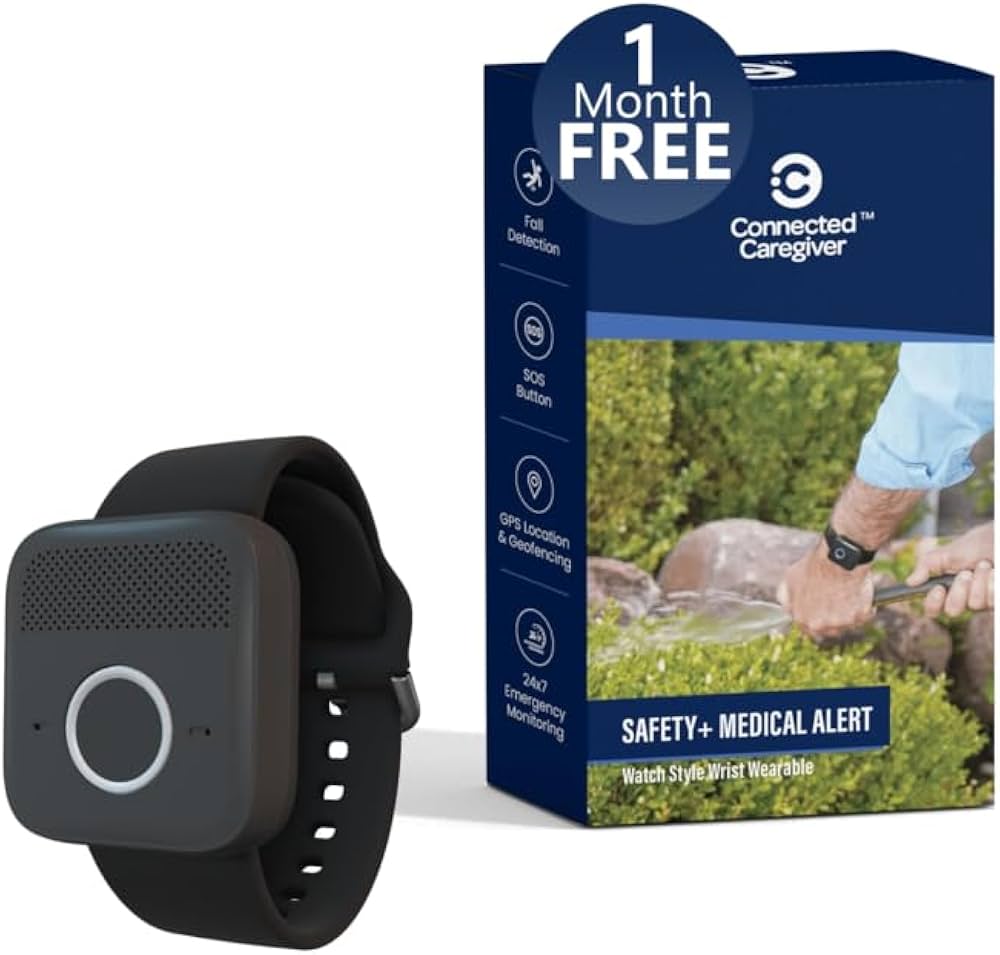
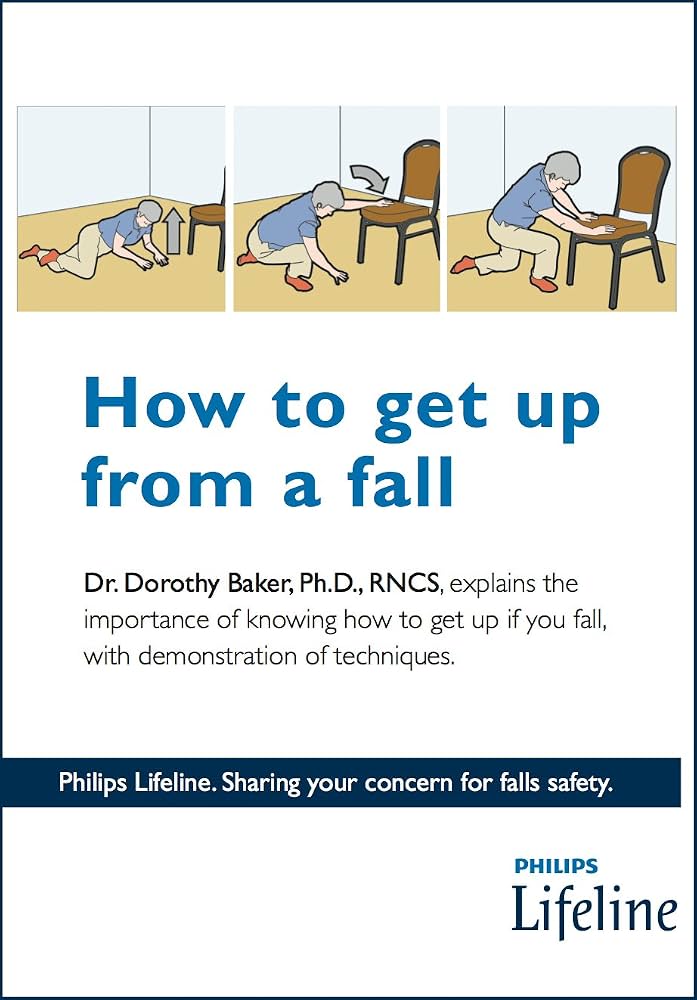
As an Amazon Associate, we may earn from qualifying purchases.
Frequently asked questions about senior health tech
Are AI-powered health devices safe and reliable for daily use? Safety is the primary design constraint for medical-grade AI devices. Systems like the LifeWatch Senior Medical Alert use dedicated fall detection algorithms that distinguish between actual falls and daily movements to prevent false alarms. These devices are tested for reliability, ensuring that critical alerts are sent to emergency services or caregivers even if the senior cannot press a button. Look for devices with FDA clearance or CE marking to ensure they meet strict safety standards.
How do these devices protect my privacy? Privacy is managed through data encryption and clear usage policies. Most AI devices, such as the Amazon Echo Show with Care Hub, process data locally when possible and transmit only necessary alerts. Reputable manufacturers adhere to HIPAA guidelines for health data. Always review the privacy policy to understand how voice recordings or movement data are stored and who has access to them.
Are these devices difficult to set up? Setup complexity varies, but many devices are designed for independent use. The Halo Connect wearable, for example, requires only a charging base and a Wi-Fi connection. Some systems, like medical alert pendants, are plug-and-play, while others may require professional installation. The key is choosing a device with clear instructions and customer support that can guide you through the initial configuration.
What is the typical cost of AI health devices? Costs range from one-time purchases for basic monitors to monthly subscriptions for connected services. A simple AI-powered camera might cost $100–$200, while a comprehensive system like the Philips Lifeline with AutoAlert includes a monthly fee for 24/7 monitoring. Consider the total cost of ownership, including any required hardware replacements or service fees, when budgeting.
Can these devices be used by seniors with cognitive decline? Yes, many devices are designed for users with dementia or Alzheimer’s. Features like automatic fall detection and geofencing alerts are particularly useful for those who may forget to wear a device or leave the house unsupervised. The GPS tracking in devices like the AngelSense GPS Tracker helps ensure safety without requiring active user input.
Do these devices work without internet? Most AI devices require an internet connection to send alerts, but many have backup systems. Medical alert pendants often use cellular networks instead of Wi-Fi, ensuring connectivity even if home internet fails. Some devices store data locally and sync when connectivity is restored, minimizing gaps in monitoring.
No comments yet. Be the first to share your thoughts!