
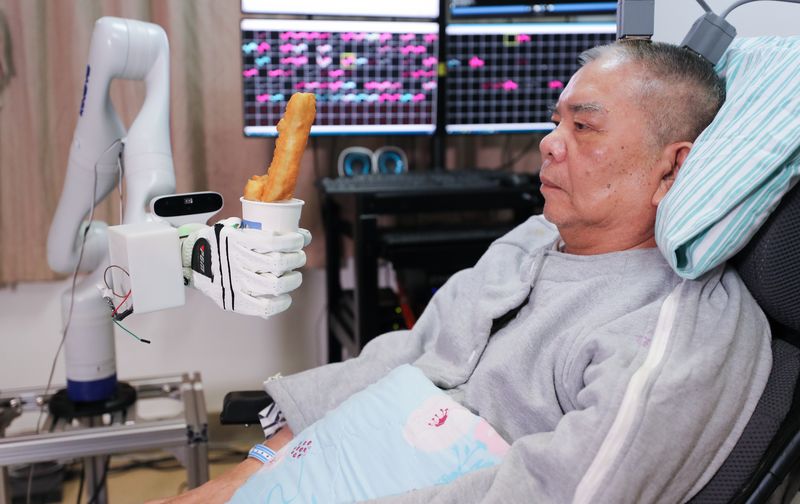

Why smart home tech helps seniors stay safe
Smart home devices are shifting the goal of aging in place from simple comfort to active safety. For seniors living alone, these tools act as a silent support system, reducing the physical risks of daily life while giving family members peace of mind. The focus is no longer on abstract categories like "home automation," but on specific, concrete products that solve immediate problems.
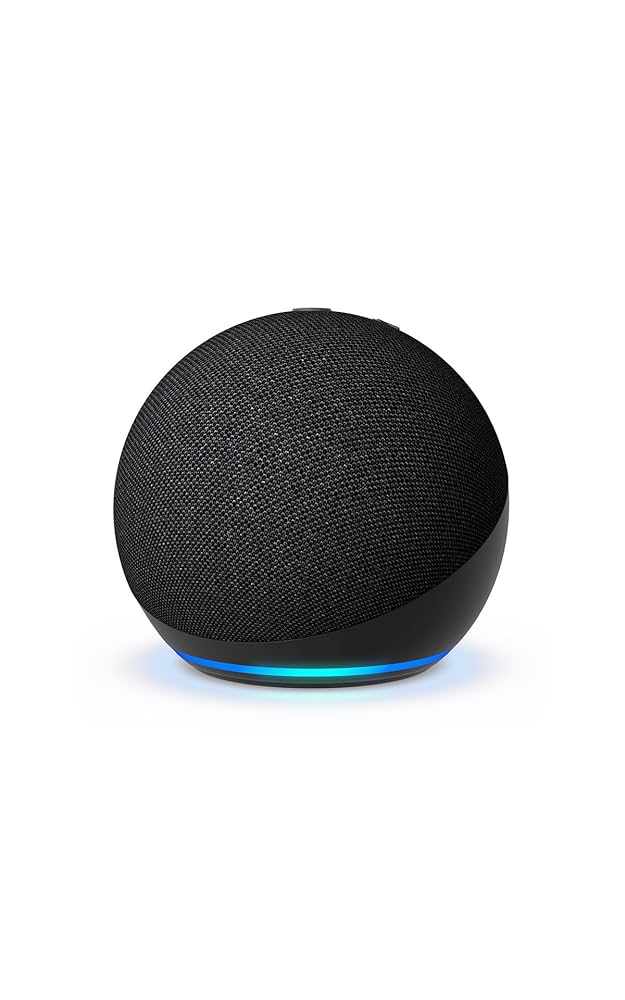
Consider the difference between a standard light switch and a smart motion-sensor bulb. A senior walking to the bathroom at night doesn't need to fumble for a switch; the light turns on automatically, preventing trips and falls. Similarly, a smart speaker like an Amazon Echo Dot allows someone to call for help or set medication reminders using only their voice, which is vital if dexterity is limited or a fall has already occurred.
These devices also bridge the gap between the senior and their caregivers. A smart screen in the kitchen can display video calls with children or grandchildren, reducing isolation, while activity sensors can quietly alert a family member if a routine hasn't been completed. As noted by GoodRx, integrating smart speakers, activity-based sensors, and smart thermostats creates a layered safety net that supports independence without requiring constant supervision GoodRx. Ultimately, the right technology allows seniors to remain in their homes longer, safer and more connected.
10 Senior-Friendly Products for Aging in Place (2026 Guide)
Navigating the 2026 market requires distinguishing between durable, tested hardware and fleeting trends. This guide highlights specific, senior-friendly products designed to enhance safety and independence at home.
1. Voice assistants for hands-free control
Voice assistants eliminate the need to navigate complex menus or struggle with small buttons. By simply speaking commands, users can adjust lighting, make calls, or set reminders without physical effort. This hands-free approach reduces frustration and promotes independence for those with limited mobility or vision challenges.
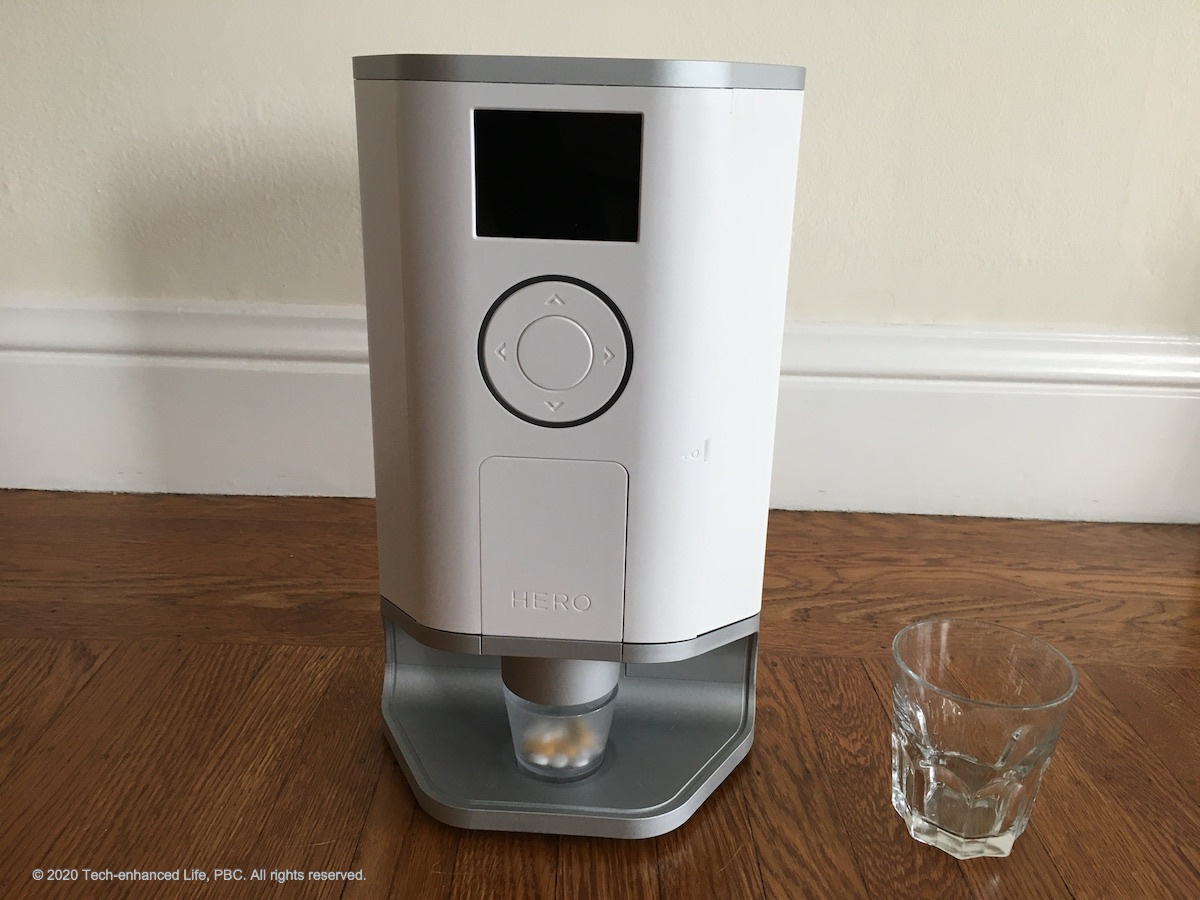
2. Smart pill dispensers for medication adherence
Managing multiple medications can be overwhelming, but smart dispensers simplify the routine by organizing doses and sending alerts. These devices ensure timely intake through audible reminders and visual cues, reducing the risk of missed or double doses. They often sync with caregivers, providing peace of mind for families monitoring health closely.

3. Fall detection sensors for instant alerts
Fall detection sensors provide a critical safety net by automatically notifying emergency contacts or services if a user falls. Unlike traditional pendants, these devices often use advanced algorithms to distinguish between actual falls and daily movements. This technology ensures rapid response times, offering security and confidence for seniors living alone.

4. Video doorbells for secure package delivery
Video doorbells allow users to see and speak to visitors from anywhere, enhancing security and convenience. For seniors, this feature is invaluable for verifying package deliveries without opening the door. The ability to screen visitors remotely reduces anxiety and prevents unwanted interruptions, making home entry safer and more controlled.

5. Smart thermostats for comfort and safety
Smart thermostats maintain optimal home temperatures automatically, preventing discomfort from extreme heat or cold. They learn user preferences and adjust settings based on daily routines, ensuring consistent comfort without manual intervention. This automation also supports energy efficiency, reducing utility bills while keeping the home environment safe and pleasant for aging residents.

6. Automated lighting for nighttime safety
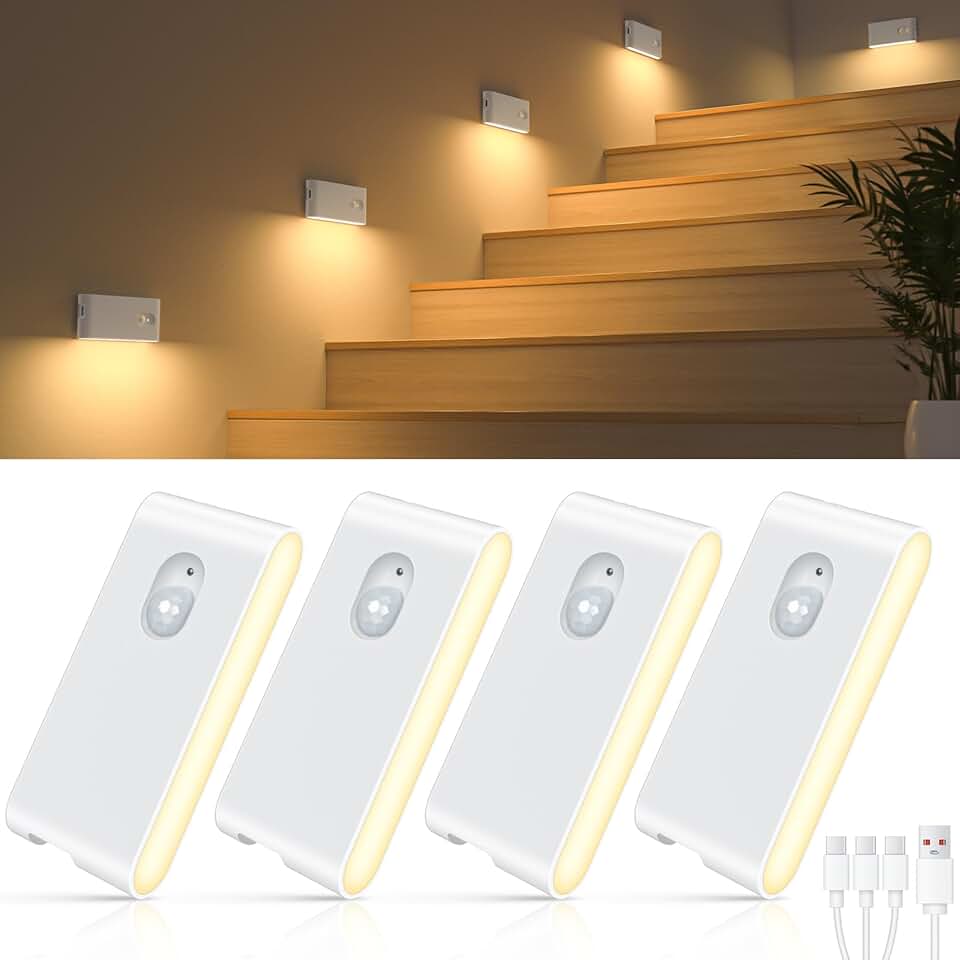
Motion-activated LED strips illuminate pathways without fumbling for switches. These low-profile lights trigger instantly when feet hit the floor, reducing tripping hazards in hallways and bedrooms. The soft glow guides seniors safely to the bathroom or kitchen during nocturnal visits, ensuring visibility without disrupting sleep cycles or blinding eyes in the dark.
7. Remote health monitors for vital signs
Compact devices track blood pressure, heart rate, and oxygen levels, automatically syncing data with family members or caregivers. This continuous monitoring provides peace of mind by detecting subtle health changes early. Seniors can manage chronic conditions from home, reducing unnecessary hospital visits while ensuring loved ones stay informed about daily wellness trends.

8. Grab bars and safety rails with smart features
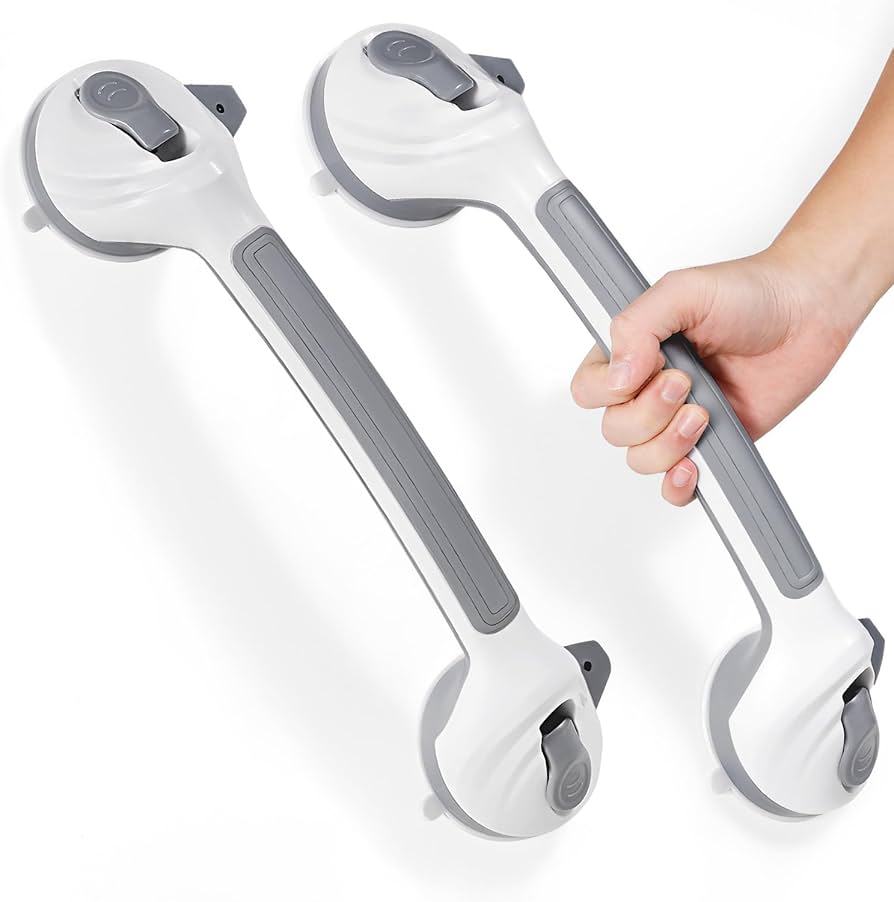
Modern grab bars now include integrated sensors that detect slips or sudden weight shifts, sending alerts if a fall occurs. These sturdy fixtures blend seamlessly into bathroom decor while offering advanced protection. The smart connectivity ensures help arrives quickly, combining traditional physical support with digital safety nets for comprehensive bathroom security.
9. Easy-grip kitchen tools for independence
Ergonomic utensils with thick, non-slip handles reduce hand strain for those with arthritis or limited dexterity. These tools make chopping, stirring, and eating safer and more comfortable, promoting self-sufficiency in meal preparation. The lightweight design minimizes fatigue, allowing seniors to enjoy cooking and dining without pain or frustration during daily routines.

10. Wearable GPS trackers for location safety
Discreet wearable devices track real-time location, helping families locate loved ones who may wander or get lost. These lightweight trackers offer geofencing alerts and emergency SOS buttons, providing critical security for seniors with cognitive challenges. The long battery life ensures continuous monitoring, giving both seniors and caregivers confidence during outdoor activities or walks.

How to choose the right senior-friendly products
Picking products that support aging in place requires balancing three factors: ease of use, reliability, and caregiver integration. A device is only useful if the senior can operate it without frustration and if caregivers can monitor it remotely. Start by evaluating each item against these practical criteria rather than marketing claims.
Ease of use is the primary filter. Look for products with large buttons, clear audio cues, or simple voice commands. Avoid devices with complex apps or multiple setup steps. For example, a medical alert pendant should work with a single button press, not a touchscreen menu. Prioritize items that require minimal daily maintenance, such as battery-free sensors or devices with long-lasting power sources.
Reliability ensures the product performs consistently in real-world conditions. Check for certifications from recognized bodies like UL or FCC, which indicate safety and electromagnetic compatibility. Read reviews focusing on long-term durability rather than initial impressions. Products that fail silently are dangerous; choose devices with clear failure indicators, such as low-battery alerts or offline notifications sent to caregivers.
Caregiver integration allows family members or professional carers to stay informed without constant check-ins. Look for products that sync with smartphones or offer web dashboards. Features like fall detection alerts, medication reminders, or activity tracking provide peace of mind. Ensure the platform is user-friendly for non-technical caregivers and offers clear data privacy policies.
Comparison of Key Product Categories
Use this table to compare top product types based on setup complexity, alert types, and battery life.
| Product Type | Setup Complexity | Alert Type | Battery Life |
|---|---|---|---|
| Medical Alert Pendant | Low | Manual & Automatic Fall | 3-7 Days |
| Smart Medication Dispenser | Medium | Missed Dose Notification | 6-12 Months |
| Motion Sensor Night Light | Low | Activity Detection | 1-2 Years |
| Video Doorbell | Medium | Real-Time Motion & Sound | Rechargeable |
| GPS Tracker | Low | Location & Geofence | 3-5 Days |
Recommended Products



As an Amazon Associate, we may earn from qualifying purchases.
When selecting these items, verify compatibility with your existing smart home ecosystem. For instance, ensure the medical alert system supports your preferred smartphone OS if you want remote monitoring. Always test the product with the senior user before relying on it for critical safety needs.
Frequently asked questions about aging in place tech
Are these devices hard to set up? Most products in this guide are designed for independence, not IT support. Devices like the Amazon Echo Show 15 or the Lippert Smart TV Box connect to Wi-Fi and sync with existing accounts, often requiring only a few taps. For those less comfortable with technology, simple plug-and-play sensors like the Philips Hue motion sensor or the Sengled Smart Bulb require no complex configuration—just screw in and connect.
Do I need a monthly subscription? Not necessarily. Core safety and convenience features work immediately after purchase. A fall detection sensor like the Litter-Robot 4 or a smart lock like the August Smart Lock Pro function without recurring fees. Subscriptions typically apply only to advanced services, such as 24/7 emergency response monitoring or cloud storage for video footage from cameras like the Ring Stick Up Cam Battery.
Will these devices invade my privacy? Privacy is a valid concern, but transparency is standard. Reputable brands like Google, Amazon, and Ring provide clear privacy dashboards where you can control data sharing and microphone access. Many devices, such as the Litter-Robot 4, collect no personal health data at all. Always review the privacy policy before enabling voice recording or video storage features.
What happens if the Wi-Fi goes down? Basic safety functions often remain active. Motion sensors and smart plugs typically operate on local networks or battery backup. However, voice assistants like the Amazon Echo Dot will not respond without an internet connection. For critical fall detection, devices like the Apple Watch Series 9 offer cellular options that function even without Wi-Fi, ensuring help can be summoned regardless of home connectivity.
No comments yet. Be the first to share your thoughts!