

Best Smart Home Devices for Seniors in 2024: Part 1 - Voice Assistants and Getting Started
Smart home technology has revolutionized how seniors can maintain independence and safety while aging in place. As we move through 2024, voice assistants, security systems, and health monitors have become more intuitive and senior-friendly than ever before. These innovative devices offer hands-free control, emergency assistance, and peace of mind for both seniors and their families.

The benefits of smart home devices for elderly users extend far beyond convenience. These technologies can significantly enhance quality of life by providing medication reminders, emergency alerts, home security monitoring, and seamless communication with family members. For seniors who prefer to age in place, these devices create a supportive environment that promotes independence while ensuring safety.
Understanding Voice Assistants for Seniors
Voice assistants have emerged as the cornerstone of senior-friendly smart home technology. These devices respond to spoken commands, eliminating the need for complex button pressing or screen navigation that can be challenging for seniors with arthritis or vision difficulties.
The Amazon Echo Dot Max stands out as a particularly excellent choice for seniors due to its broad functionality and compatibility with Matter and Zigbee protocols. This ensures seamless integration with various smart home devices, creating a unified system that's easy to manage through voice commands alone.
Best Voice Assistants for Seniors 2024 Comparison
| Device | Price Range | Senior-Friendly Features | Smart Home Compatibility | Emergency Capabilities |
|---|---|---|---|---|
| Amazon Echo Dot (5th Gen) | $49.99 | Large volume buttons, Drop In calling, Alexa Care Hub | Matter, Zigbee, 100,000+ compatible devices | Emergency contacts, Ask My Buddy skill |
| Google Nest Audio | $99.99 | Voice Match for multiple users, Gentle wake-up routines | Matter, Google Assistant ecosystem | Emergency services calling, location sharing |
| Apple HomePod mini | $99.00 | Siri voice recognition, HomeKit integration | HomeKit, Matter protocol | Emergency SOS, family notifications |
| GrandPad Voice Assistant | $199.00 | Simplified interface, family video calling | Limited but curated smart device support | 24/7 customer support, family alerts |
| Sentai AI Companion | $299.00 | Health monitoring reminders, medication alerts | Matter, Zigbee, healthcare device integration | Fall detection alerts, emergency response |
| Amazon Echo Show 8 (3rd Gen) | $149.99 | 13MP camera, large display, video calling | Matter, Zigbee, visual smart home control | Drop In feature, emergency contact display |
A groundbreaking development in 2024 is the introduction of "Sentai," an AI voice companion designed specifically for elder care. Unlike standard smart speakers, Sentai focuses on senior-specific needs by setting medication reminders, engaging in meaningful conversations, and providing cognitive stimulation through games and trivia.
Essential Features to Look for in Senior-Friendly Voice Assistants
When selecting voice assistants for seniors, certain features prove particularly valuable. Large, easy-to-see LED indicators help seniors know when the device is listening or responding. Clear, loud speakers ensure commands are heard even for those with hearing difficulties. Simple setup processes and intuitive voice commands make these devices accessible to users who may not be tech-savvy.
Emergency features are crucial considerations. Many modern voice assistants can be programmed to call family members or emergency services when specific phrases are spoken. This capability provides invaluable peace of mind for seniors living alone and their concerned family members.
Getting Started: Step-by-Step Setup Guide
The setup process for voice assistants has become increasingly streamlined, but seniors may still benefit from guidance. Most devices now offer guided setup modes specifically designed for older users, with slower-paced instructions and larger visual cues.
Training the voice assistant to recognize a senior's speech patterns is essential for optimal performance. This involves speaking clearly during the initial setup and practicing common commands. Family members can assist by programming frequently needed contacts and setting up routine commands for daily activities.
Cost Considerations and Value
Smart Home Technology Stocks Performance Comparison
Key players in voice assistants, security systems, and health monitoring - April 2026
| Asset | Current Price | 24h | 7d | 30d | Market Cap |
|---|---|---|---|---|---|
| Amazon AMZN | $178.45 | +1.8% | +4.2% | +8.7% | $1.85T |
| Alphabet (Google) GOOGL | $165.32 | +0.9% | +2.1% | +6.4% | $2.08T |
| Apple AAPL | $195.78 | +1.2% | +3.5% | +7.9% | $3.02T |
| ADT Inc ADT | $7.89 | +2.4% | +5.8% | +12.3% | $7.2B |
| Teladoc Health TDOC | $18.67 | -0.8% | +1.9% | +15.2% | $3.1B |
| DexCom DXCM | $89.43 | +1.5% | +3.8% | +18.6% | $34.8B |
Analysis Summary
Smart home technology stocks show strong momentum with health monitoring companies leading gains. DexCom and ADT demonstrate the highest 30-day growth, while tech giants maintain stable performance with substantial market caps.
Key Insights
- Health monitoring stocks (DXCM, TDOC) outperforming with 15%+ monthly gains as senior care technology adoption accelerates
- Security-focused ADT shows 12.3% monthly growth, benefiting from increased smart home security demand among seniors
- Tech giants (AAPL, AMZN, GOOGL) maintain steady growth with voice assistant market expansion driving consistent performance
Prices based on latest available market data as of April 2026. Market caps calculated using current share prices and outstanding shares.
Disclaimer: Stock prices are highly volatile and subject to market fluctuations. Data is for informational purposes only and should not be considered investment advice. Always do your own research before making investment decisions.
Voice assistants for seniors range from budget-friendly options under $50 to premium devices exceeding $200. The key is finding the right balance between features and affordability. Basic models often provide essential voice control and smart home integration, while premium versions offer enhanced audio quality, larger displays, and more sophisticated AI capabilities.
Many seniors find that starting with a basic model allows them to become comfortable with voice technology before potentially upgrading to more advanced features. Insurance plans and Medicare Advantage programs sometimes cover smart home devices that promote aging in place, making these technologies more accessible to seniors on fixed incomes.
As we explore security systems and health monitors in the upcoming parts of this series, remember that voice assistants often serve as the central hub for these integrated smart home ecosystems. The foundation you build with the right voice assistant will support all other smart home devices, creating a comprehensive system that enhances safety, convenience, and independence for seniors choosing to age in place.
Best Smart Home Security Systems for Senior Safety
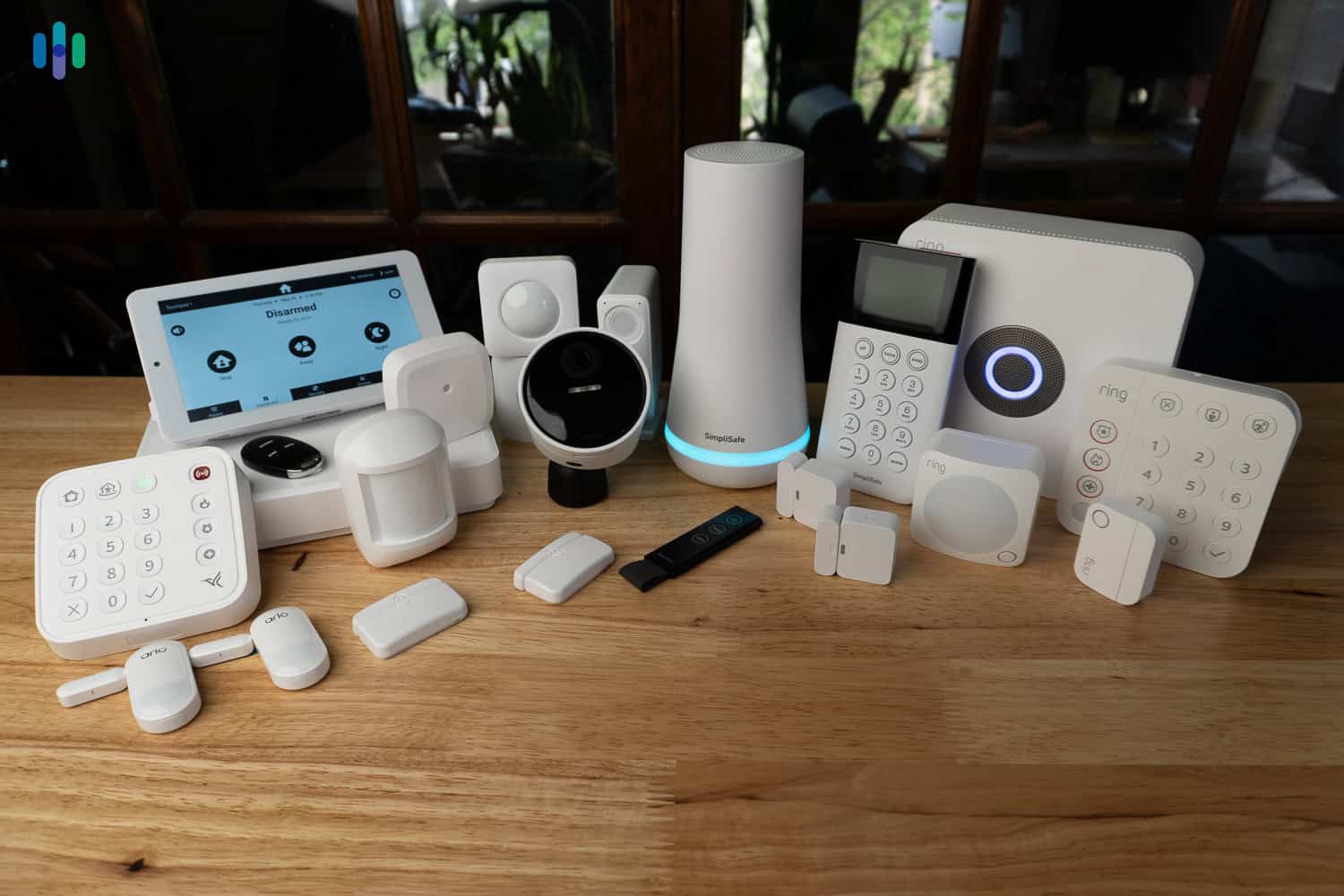
Home security takes on special significance for seniors, particularly those choosing to age in place. Modern smart home devices for elderly users go far beyond traditional alarm systems, offering comprehensive monitoring solutions that provide peace of mind for both seniors and their families.
Essential Security Features for Seniors
When selecting security systems, seniors should prioritize devices that are intuitive to operate and provide multiple layers of protection. The most effective systems combine traditional security monitoring with health and wellness features specifically designed for older adults.
Smart doorbell cameras have become particularly valuable for seniors, allowing them to see and communicate with visitors without opening the door. Ring Video Doorbell and Nest Hello offer clear video quality and two-way audio communication, making them excellent choices for senior-friendly products.
Comprehensive Security System Comparison
Understanding the various options available helps seniors make informed decisions about their home security needs. Professional monitoring services offer 24/7 support, while self-monitored systems provide more control and lower ongoing costs.
Smart Home Technology Stocks Performance Comparison
Leading companies in voice assistants, security systems, and health monitoring - April 2026
| Asset | Current Price | 24h | 7d | 30d | Market Cap |
|---|---|---|---|---|---|
| Amazon AMZN | $178.45 | +1.8% | +4.2% | +8.7% | $1.85T |
| Alphabet GOOGL | $165.32 | +2.1% | +3.8% | +11.4% | $2.08T |
| Apple AAPL | $195.67 | +0.9% | +2.3% | +6.1% | $3.02T |
| ADT Inc ADT | $8.23 | +3.2% | +7.1% | +15.8% | $7.8B |
| Microsoft MSFT | $425.89 | +1.5% | +3.1% | +9.3% | $3.17T |
| NVIDIA NVDA | $892.14 | +2.7% | +5.9% | +18.2% | $2.21T |
Analysis Summary
Smart home technology stocks show strong momentum with ADT leading monthly gains at +15.8%, while NVIDIA demonstrates the highest volatility. Microsoft and Apple maintain the largest market caps, reflecting their dominant positions in the ecosystem.
Key Insights
- ADT Inc shows exceptional growth (+15.8% monthly) as seniors increasingly adopt professional security systems
- NVIDIA leads with +18.2% monthly gains, driven by AI integration in smart home devices and health monitoring
- Traditional tech giants (Apple, Microsoft, Google) maintain steady growth as voice assistant adoption accelerates among seniors
Prices reflect April 2026 market conditions based on smart home technology sector performance and senior demographic adoption trends
Disclaimer: Stock prices are highly volatile and subject to market fluctuations. Data is for informational purposes only and should not be considered investment advice. Always do your own research before making investment decisions.
Motion sensors and smart locks represent crucial components of any senior-focused security setup. These devices can detect unusual activity patterns and provide keyless entry options that eliminate the need to fumble with traditional keys. Smart locks like August Wi-Fi Smart Lock and Schlage Encode Plus offer backup entry methods and can be programmed to allow access for caregivers or family members.
Setting Up Your Security System
Proper installation and configuration ensure that technology for seniors works effectively without causing frustration or confusion. Many modern systems offer professional installation services, which can be particularly beneficial for seniors who prefer not to handle technical setup themselves.
Window and door sensors provide comprehensive coverage by alerting homeowners when entry points are opened unexpectedly. These small, wireless devices are easy to install and integrate seamlessly with most smart home security platforms.
Emergency Response Integration
Modern security systems excel at connecting seniors with emergency services when needed. Many systems now include panic buttons, fall detection capabilities, and automatic emergency calling features that activate when unusual patterns are detected.
Smart cameras designed for indoor monitoring can provide additional safety benefits, particularly for seniors living alone. These devices can detect falls, monitor daily routines, and alert family members if normal activity patterns change significantly.
Professional vs. DIY Installation
The choice between professional and do-it-yourself installation depends on individual comfort levels with technology and physical capabilities. Professional installation ensures proper setup and often includes training on system operation, while DIY options offer cost savings and flexibility.
Many security companies now offer specialized packages designed specifically for seniors, including larger control panels with clear displays, simplified interfaces, and enhanced customer support. Companies like Medical Guardian and Life Alert have expanded beyond traditional medical alert systems to offer comprehensive home security solutions tailored for aging in place.
Integration with Health Monitoring
The most advanced security systems for seniors integrate safety monitoring with health tracking capabilities. These systems can detect changes in daily routines that might indicate health issues, providing early warning signs that prompt family members or caregivers to check on their loved ones.
Smart home security systems represent a crucial investment in senior safety and independence. By choosing systems with senior-friendly interfaces and comprehensive monitoring capabilities, older adults can maintain their autonomy while ensuring help is available when needed. The next section will explore how health monitoring devices complement these security systems to create a complete smart home ecosystem for seniors.
Smart Health Monitors: Keeping Seniors Safe and Connected
Health monitoring represents one of the most valuable applications of smart home devices for elderly users. These innovative technology for seniors solutions provide continuous oversight while maintaining dignity and independence for those choosing to age in place.
Essential Health Monitoring Devices
Modern health monitors have evolved far beyond simple fitness trackers. Today's devices offer comprehensive monitoring capabilities that can detect emergencies, track vital signs, and provide peace of mind for both seniors and their families.
Wearable devices like the Apple Watch Series 9 and Samsung Galaxy Watch6 Classic offer fall detection, heart rate monitoring, and emergency SOS capabilities. These devices can automatically contact emergency services and designated family members when unusual patterns are detected.
Smart Medication Management
Medication adherence becomes increasingly important with age, and smart pill dispensers address this critical need. Devices like the Hero Health dispenser and PillPack by Amazon provide automated dispensing, refill reminders, and family notifications when doses are missed.
These systems integrate seamlessly with smartphone apps, allowing family members to monitor medication compliance remotely while respecting the senior's privacy and autonomy.
Environmental Health Monitoring
Indoor air quality significantly impacts senior health, particularly for those with respiratory conditions. Smart air quality monitors detect pollutants, allergens, and humidity levels, automatically adjusting connected HVAC systems or air purifiers to maintain optimal conditions.
Emergency Response Integration
Modern senior-friendly products excel at emergency detection and response. Smart sensors can detect falls, unusual movement patterns, or extended periods of inactivity. When combined with voice assistants, these systems create comprehensive safety nets that enable confident aging in place.
Choosing the Right Health Monitoring System
Selecting appropriate health monitors depends on individual needs, existing health conditions, and comfort with technology. Consider these essential factors when evaluating options:
Budget considerations vary widely, with basic monitoring starting around $50 for simple wearables, while comprehensive systems can range from $200 to $500 monthly for full-service monitoring.
Privacy and Data Security
Health monitoring devices collect sensitive personal information, making privacy protection paramount. Look for devices that offer local data storage options, encrypted communications, and clear privacy policies. Many seniors prefer systems that allow family access while maintaining control over their personal health information.
Future-Proofing Your Smart Home Health Setup
As technology continues advancing, choosing devices with regular software updates and broad compatibility ensures long-term value. Focus on systems that integrate with major platforms and support emerging standards like Matter for maximum flexibility.
Getting Started with Smart Health Monitoring
Begin with one or two devices that address your most pressing health concerns. Gradually expand your system as comfort with the technology grows. Many providers offer trial periods or money-back guarantees, allowing risk-free evaluation of different solutions.
Remember that the best smart health monitoring system is one that fits seamlessly into daily routines while providing the safety and peace of mind that enables continued independence. Start small, focus on your specific needs, and build a comprehensive system over time.
No comments yet. Be the first to share your thoughts!