
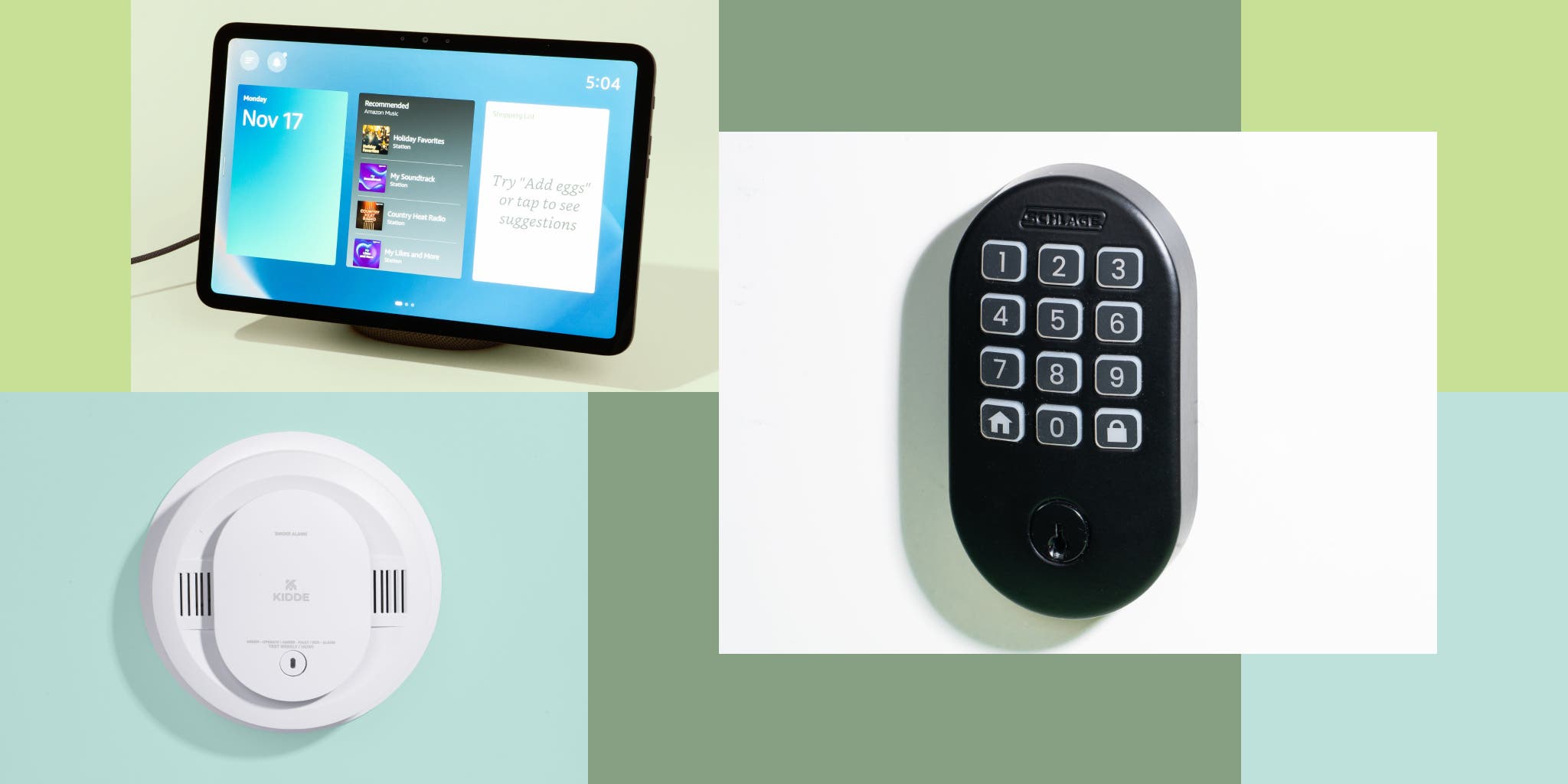

Why seniors need smart home bots
Aging in place is the goal for most older adults, but the challenges of daily living often outpace physical ability. Loneliness and safety concerns are the two biggest hurdles. A dedicated senior bot acts as a steady presence in the home, offering more than just entertainment.
These devices bridge the gap between independence and constant supervision. Unlike a simple smart speaker, a dedicated senior bot can detect falls, initiate emergency calls, and remind users to take medication. For family caregivers, this technology provides peace of mind, knowing that a device is monitoring vitals and social engagement when they cannot be there.
While human caregivers remain essential, AI bots fill the quiet hours. They reduce isolation by initiating video calls with relatives and engaging in conversation. This supplementary support helps maintain cognitive health and keeps seniors connected to their support network, allowing them to stay in their own homes longer and safer.
10 Best AI Companion Robots for Seniors in 2026
Use this section to make the 10 Best AI Companion Robots for Seniors decision easier to compare in real life, not just on paper. Start with the reader's actual constraint, then separate must-have requirements from details that are merely nice to have. A practical choice should survive normal use, maintenance, timing, and budget. If a recommendation only works in an ideal situation, call that out plainly and give the reader a fallback path.
The simplest way to use this section is to write down the must-have criteria first, then compare each option against those criteria before weighing nice-to-have features.
-
ElliQ by Intuition Robotics: Designed specifically for older adults, ElliQ proactively engages users to reduce isolation. It features a tablet-like screen for video calls and uses generative AI to initiate conversations about hobbies or family, rather than just responding to commands. It includes medication reminders and daily briefing summaries tailored to the senior's interests.
-
Blue Frog Elders AI Companion: This robot focuses on health monitoring and safety. It utilizes radar technology to detect falls without cameras, preserving privacy. It integrates with smart home devices to control lights and thermostats via voice and offers a dedicated button for emergency contact calls, providing a critical safety net for those living alone.
-
Paro Therapeutic Seal: A robotic seal designed for therapeutic interaction, Paro responds to touch and sound. It is particularly effective for seniors with dementia or Alzheimer's, reducing agitation and anxiety. While it does not perform tasks like medication reminders, its ability to provide emotional comfort and stimulate social interaction makes it a valuable tool for cognitive support.
-
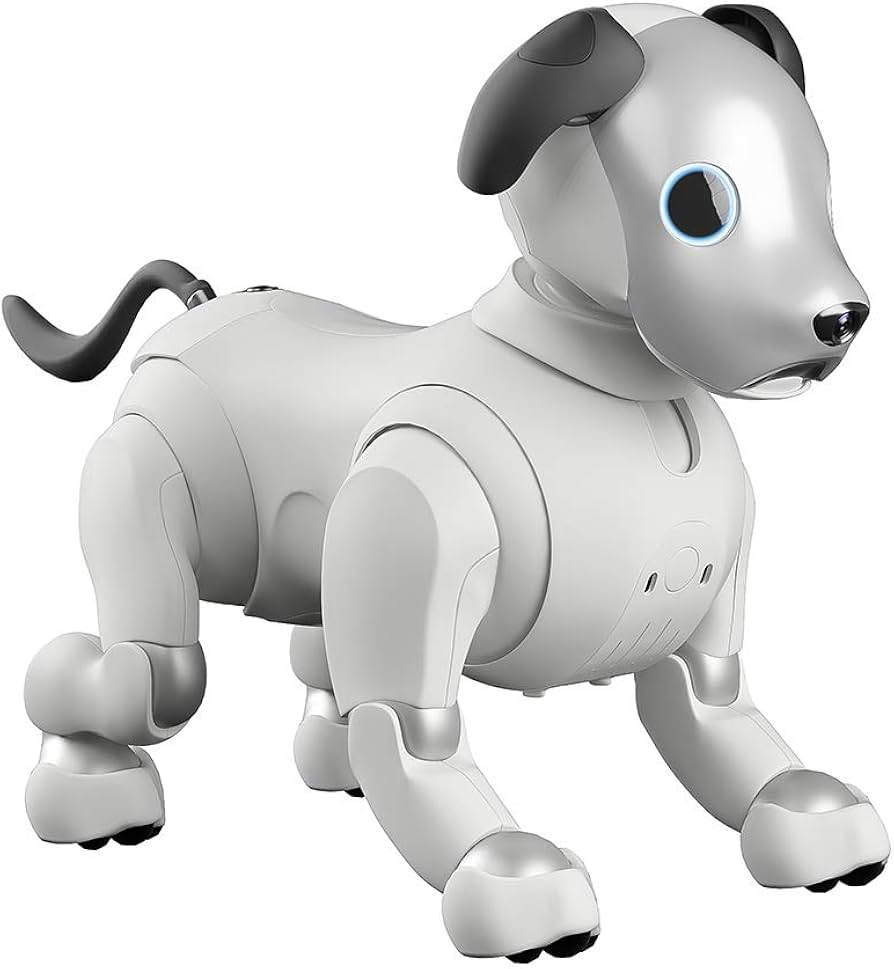
Sony Aibo ERS-1000 Robot Dog: Aibo offers companionship through pet-like interaction. It recognizes individual family members and responds to voice commands with expressive movements. For seniors who cannot care for a live pet due to mobility or allergy issues, Aibo provides the emotional benefits of pet ownership, including routine and affection, without the physical demands.
-
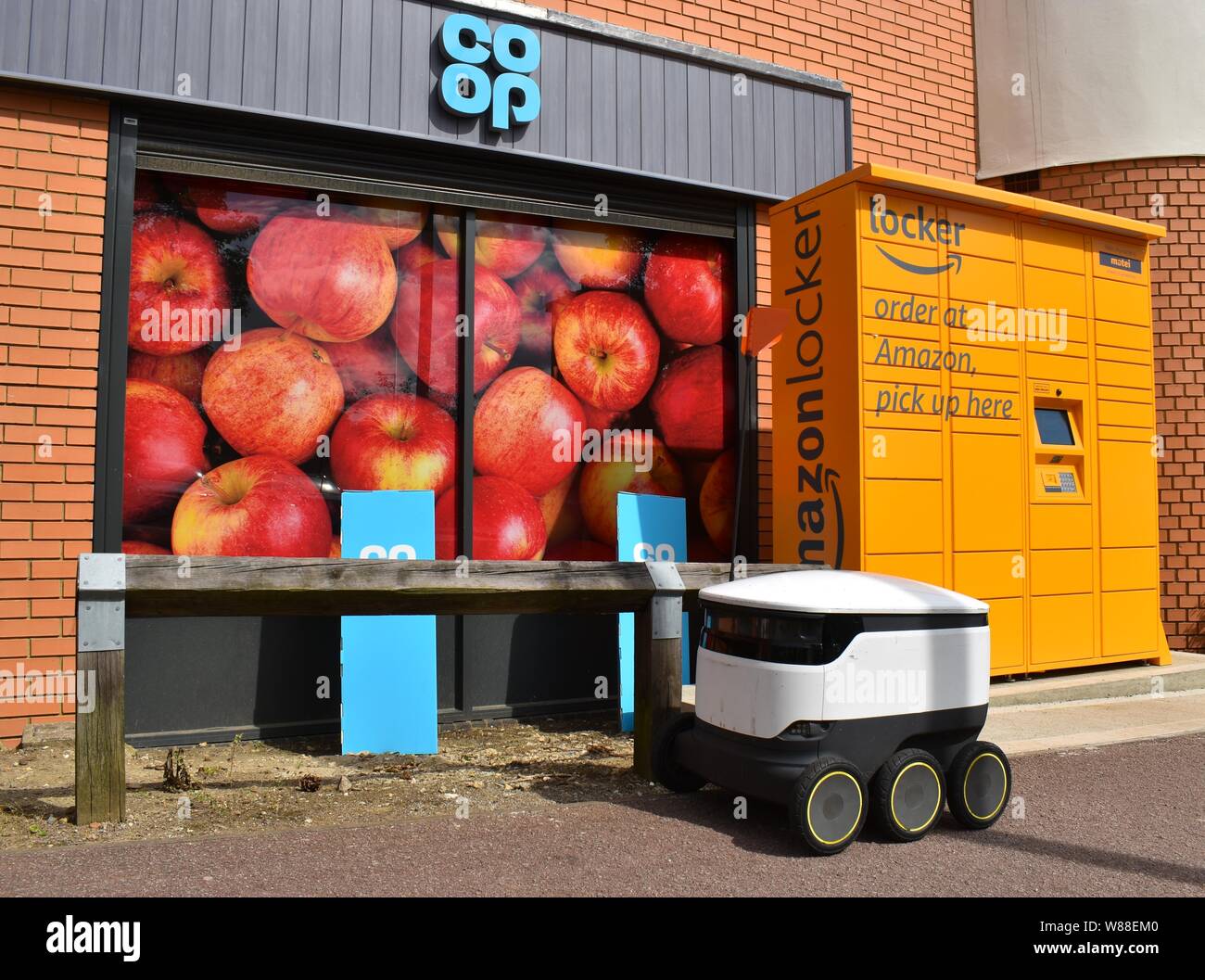
Starship Delivery Robot: While primarily a delivery robot, Starship can be adapted for seniors to receive groceries and packages, reducing the need for them to leave the house. It features a secure compartment and remote operation capabilities, allowing caregivers to monitor deliveries and ensure items are safely retrieved, enhancing independence while minimizing exposure risks.
-
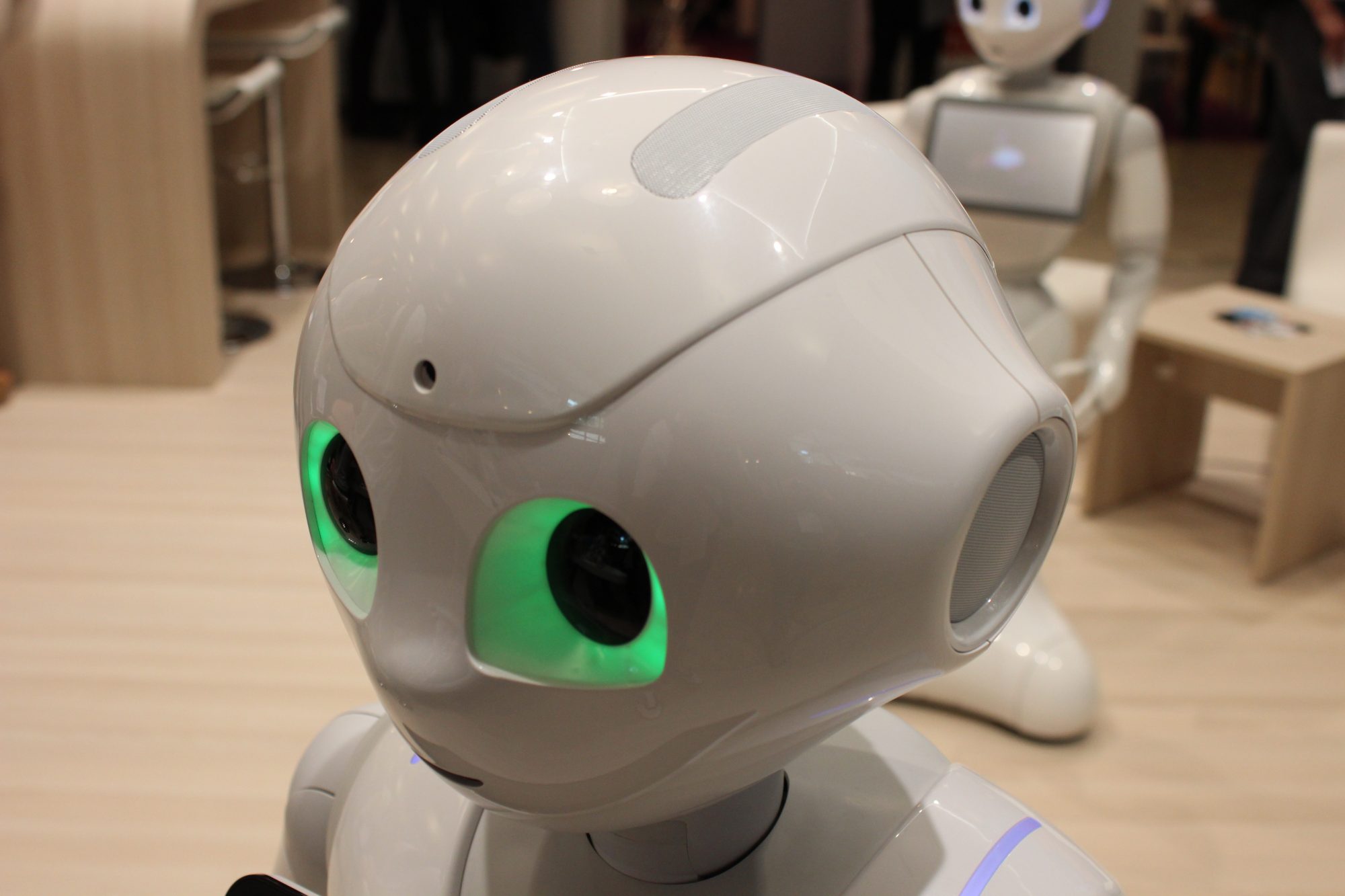
Pepper Social Robot: Developed by SoftBank, Pepper is a humanoid robot capable of recognizing emotions and engaging in basic conversation. It is often used in assisted living facilities but can be deployed in homes for structured social interaction. It supports video calls and can play games or lead exercise routines, offering a blend of entertainment and cognitive stimulation.
-
Lovot Companion Robot: Lovot is designed to provide warmth and affection, moving its head and body to seek attention. It learns user preferences over time and can take photos, which are then printed or shared with family. Its primary function is emotional support, helping to alleviate loneliness by creating a sense of being needed and cared for.
-
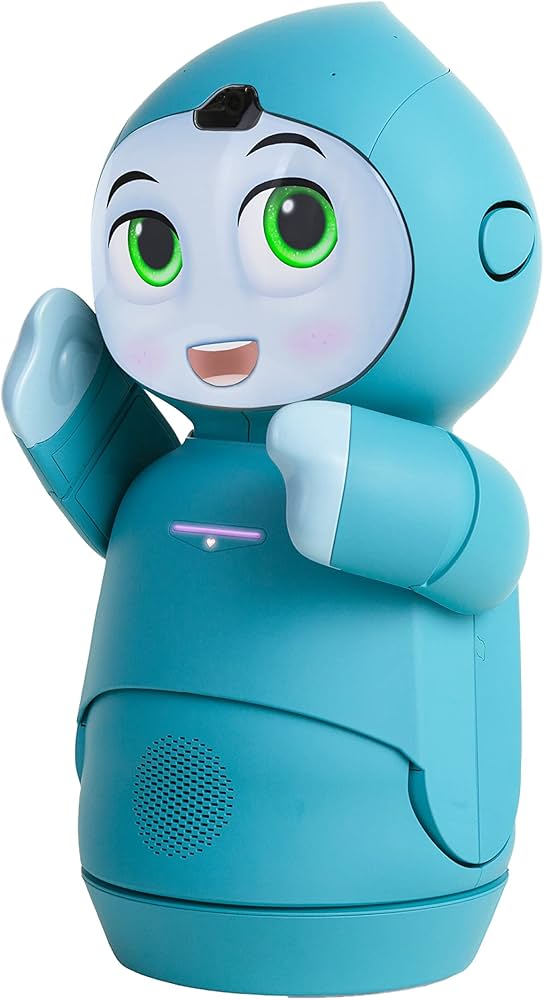
Moxi Social Robot: Moxi is a mobile robot that can perform household tasks such as fetching items, delivering medications, and making video calls. It navigates autonomously through the home, making it useful for seniors with limited mobility. Its ability to handle practical chores reduces the physical burden on seniors and caregivers alike.
-
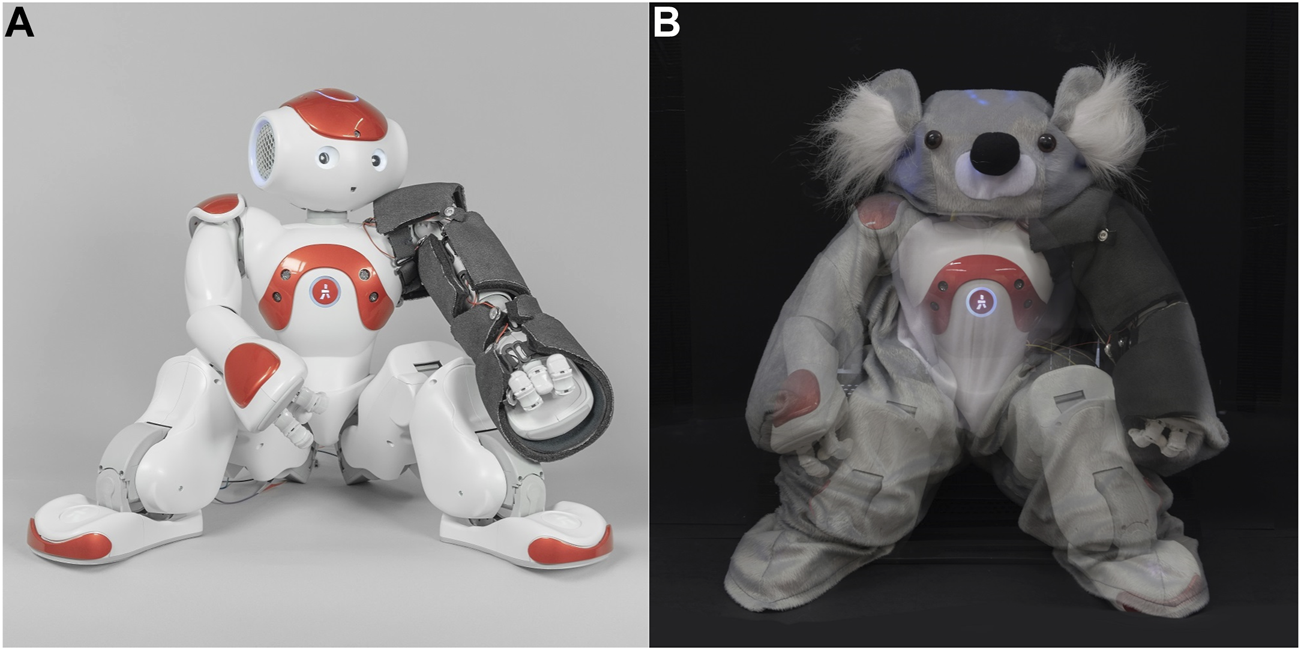
Nao Social Robot: Nao is a small, agile robot capable of walking, dancing, and recognizing faces. It is often used for educational and therapeutic purposes. For seniors, it can lead memory exercises, play music, and facilitate social interaction through its expressive capabilities, offering a dynamic form of engagement that keeps the mind active.
-
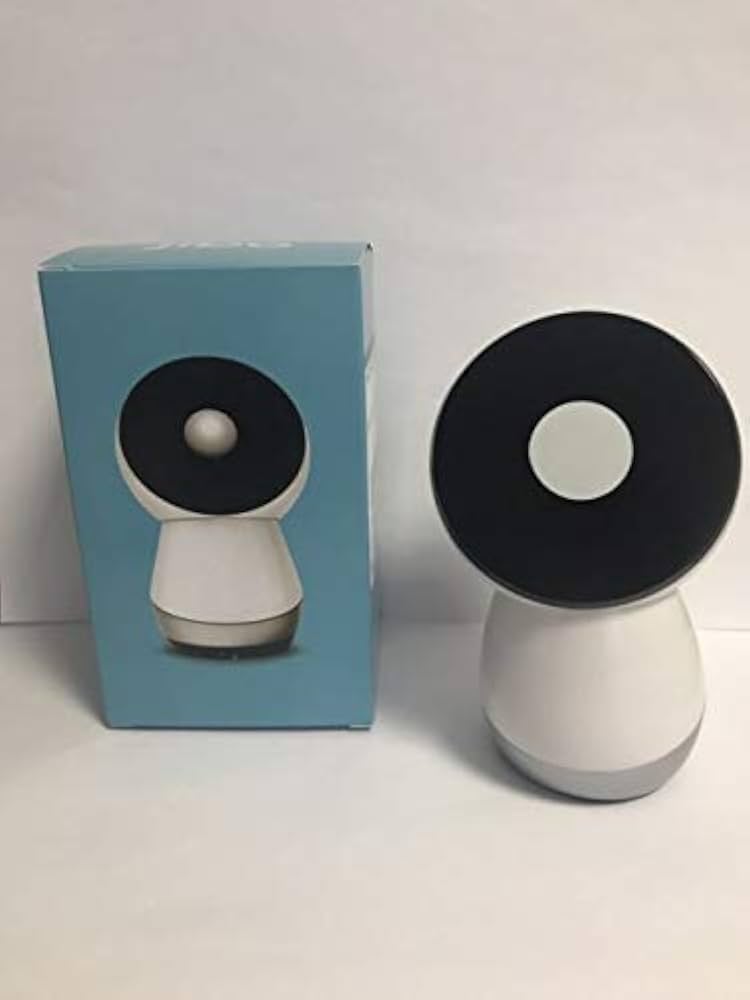
Jibo Social Robot: Although Jibo's commercial service has ended, its design principles influence current models. It was a desktop robot that could perform tasks like setting reminders, displaying photos, and making video calls. For those seeking a similar experience, current alternatives focus on similar desktop-sized companions that prioritize ease of use and integration with smart home ecosystems for daily assistance.
How to choose the right bot
Selecting the best senior bot requires matching specific features to the user's daily challenges. Some devices focus on emotional support, while others provide physical safety nets. Understanding this distinction helps caregivers avoid paying for capabilities the senior won't use.
Emotional vs. Physical Support
If the primary concern is loneliness, look for robots with advanced conversational AI and video calling. These devices act as social bridges, allowing grandparents to see family members on large screens. They often include memory aids, such as reminding users to take medication at specific times, which supports cognitive health without being intrusive.
For seniors with mobility issues, physical safety is the priority. These bots often feature fall detection sensors or physical support mechanisms. A robot that can assist with sitting, standing, or catching a fall provides a critical safety layer. This type of hardware is essential for maintaining independence in the home.
Key Features to Compare
When evaluating options, compare screen size, battery life, and connectivity. A larger screen makes video calls easier for those with declining vision. Battery life determines whether the bot needs constant charging or can last a full day. Connectivity ensures it stays updated with the latest health and safety protocols.
| Feature | Emotional Companion | Physical Safety Bot | Hybrid Model |
|---|---|---|---|
| Primary Goal | Social connection | Fall prevention | Both |
| Key Tech | Voice AI, Video Calls | Sensors, Mobility Aid | AI + Sensors |
| Best For | Loneliness, Memory Loss | Mobility Issues | Complex Needs |
| Setup Difficulty | Low | Medium | High |
Frequently asked: what to check next
What is the best virtual assistant for seniors? Amazon Alexa remains one of the most widely used and senior-friendly voice assistants available today. Once set up, Alexa can help seniors stay on top of daily routines with simple voice commands like: “Alexa, remind me to take my medication at 8 a.m.” “Alexa, turn on the living room lights.”
How much does an AI companion robot for seniors cost? Prices vary significantly based on functionality. Basic voice assistants like Amazon Echo start under $100, while advanced social robots with fall detection and video calling capabilities, such as those from Blue Frog Robotics, can range from $1,000 to over $3,000. Consider whether you need basic reminders or comprehensive safety monitoring.
Is it difficult to set up a senior AI bot? Most devices are designed for ease of use. Amazon Alexa and Google Nest Hub require only a power outlet and Wi-Fi connection. For more complex robots, many manufacturers offer white-glove setup services or detailed video tutorials. Family caregivers often handle the initial configuration, after which the device runs autonomously.
How do AI companions handle privacy and data security? Reputable AI companion robots use encrypted data transmission and offer local processing options where possible. Look for devices with clear privacy policies, physical mute buttons for microphones, and GDPR/CCPA compliance. Avoid devices that store sensitive health data on unsecured cloud servers without user consent options.
Can AI robots detect falls in the home? Advanced models equipped with radar or camera-based sensors can detect falls and automatically alert emergency contacts. However, these features often require a subscription service. Basic voice assistants do not have fall detection capabilities and rely on manual "help" commands or wearable companion devices.
Shop all recommended bots
Here is a complete list of the top AI companion robots for seniors in 2026. Each product below has been selected for specific features like fall detection, medication reminders, or high-quality video calls to help caregivers stay connected.




As an Amazon Associate, we may earn from qualifying purchases.
No comments yet. Be the first to share your thoughts!