

The reality of senior falls
Falls are a serious and growing concern for older adults. According to the CDC, over one in four Americans aged 65 and older falls each year, resulting in more than 3 million injuries treated in emergency rooms. These falls aren't just painful; they lead to hospitalizations, decreased mobility, and a significant reduction in quality of life. The financial burden is substantial too, with direct medical costs exceeding $50 billion annually.
For decades, solutions have focused on home modifications like grab bars and removing trip hazards, and encouraging physical activity to improve strength and balance. While these methods remain important, they aren't always enough. Many seniors resist making changes to their homes, and maintaining consistent exercise can be difficult. That’s where technology is stepping in, offering new layers of protection and peace of mind.
2026 marks a shift toward predictive tools. Instead of just calling for help after a hit, new sensors try to spot the stumble before it happens. These gadgets work best alongside physical therapy and home safety checks rather than replacing them.
Wearable detectors that actually work
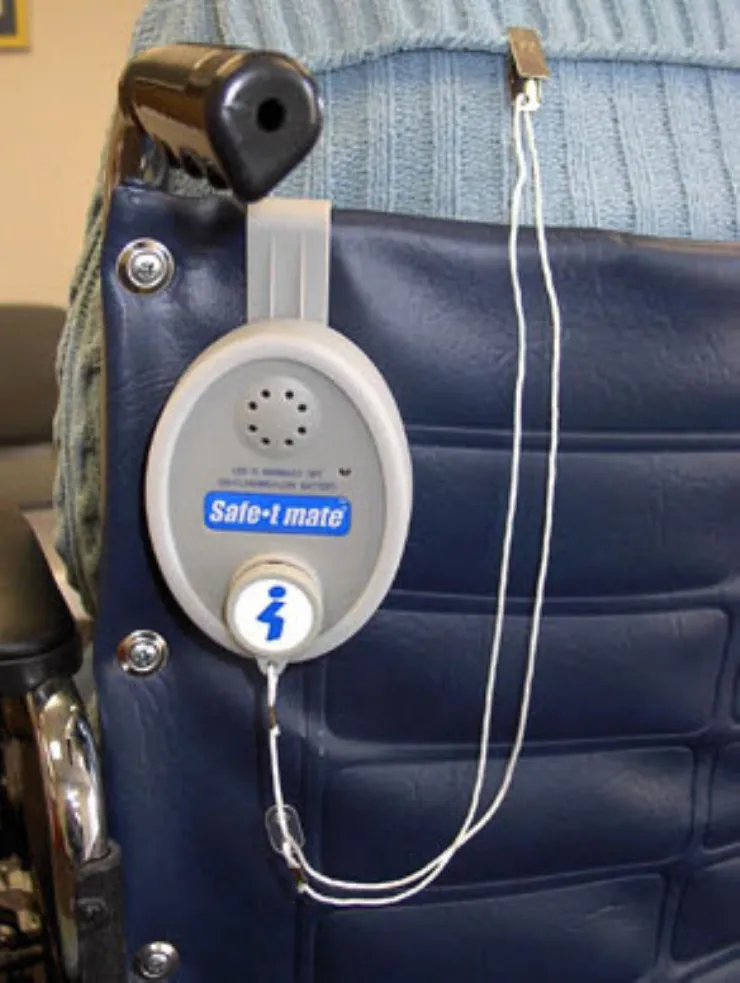
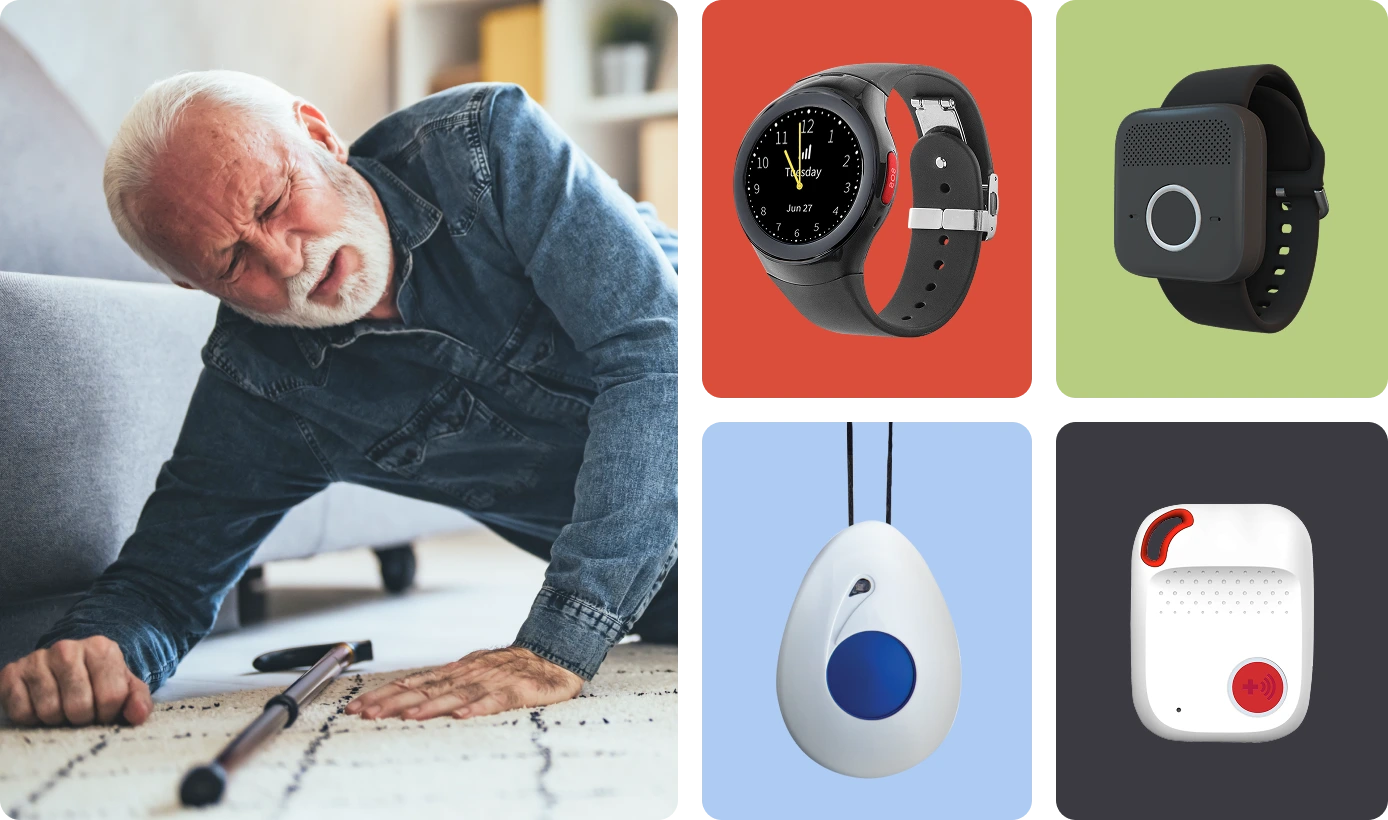
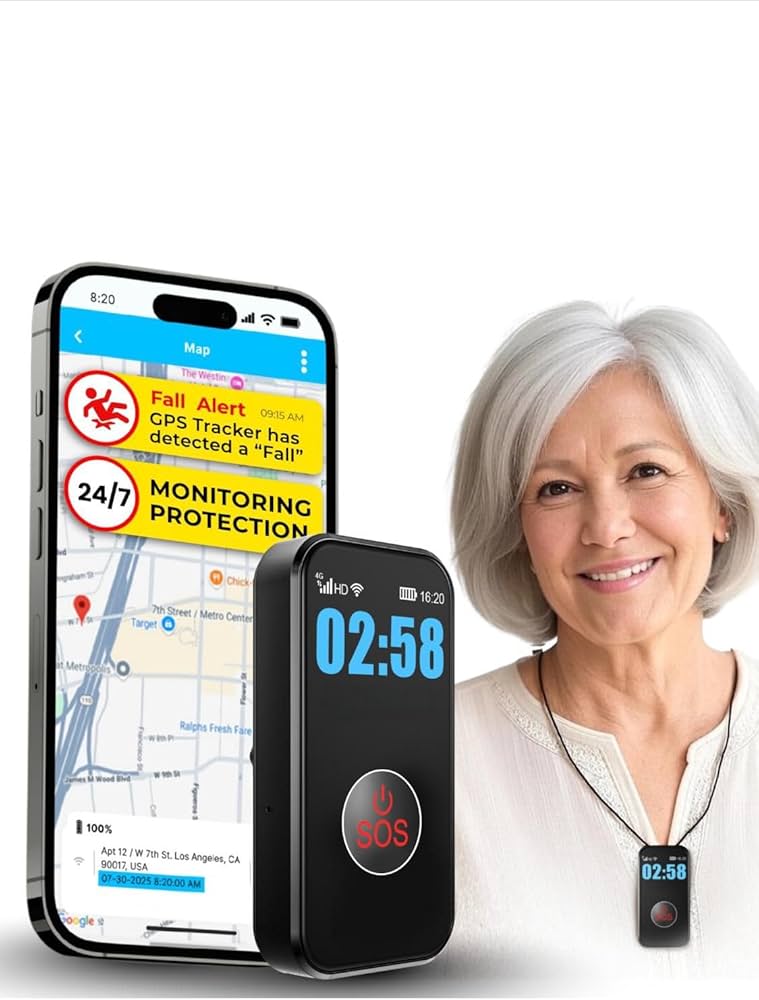
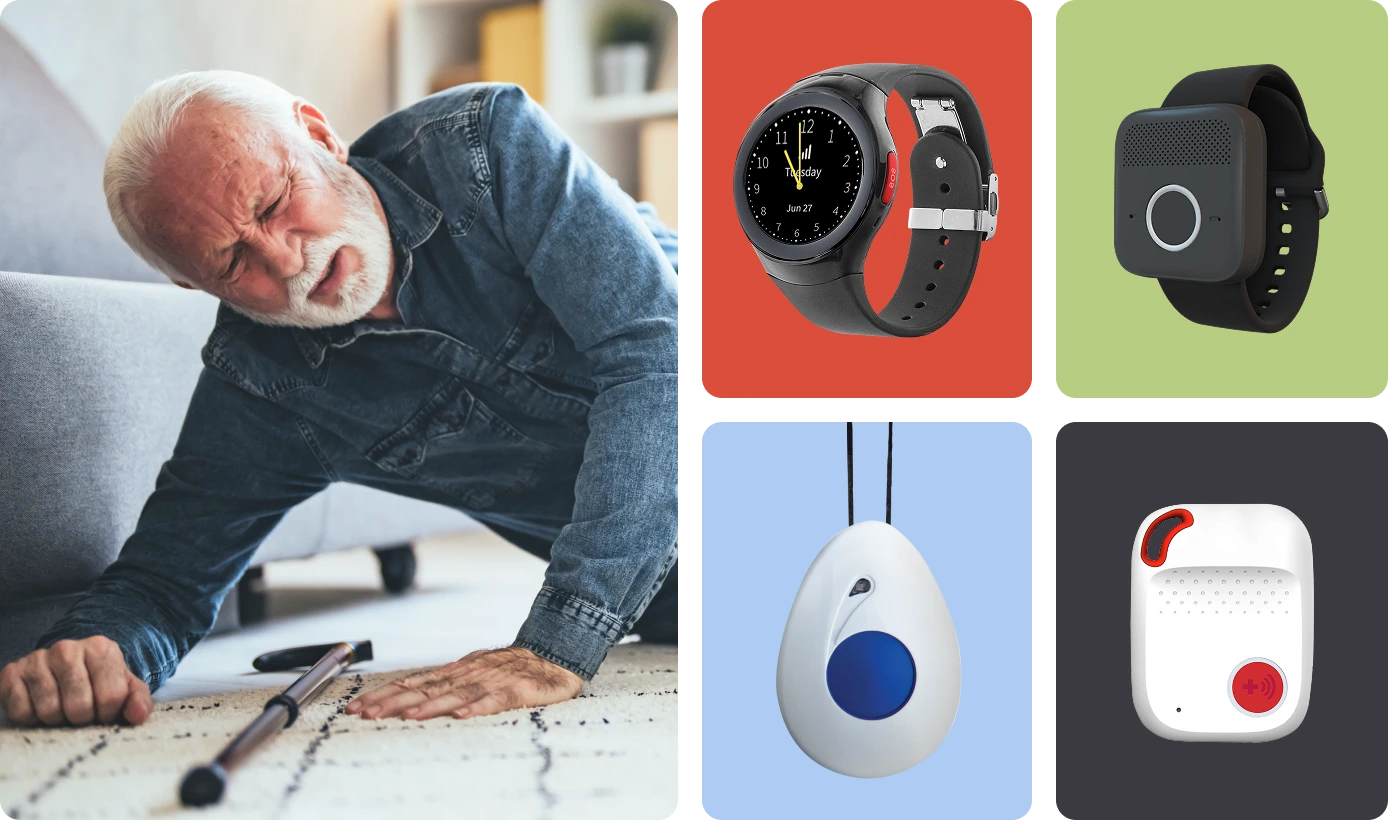
Wearable fall detection devices have come a long way. Early models were often bulky pendants with limited functionality. Now, we have sleek smartwatches and even clothing integrated with sensors that are far more discreet and comfortable. These devices use accelerometers and gyroscopes to detect sudden changes in motion consistent with a fall. When a fall is detected, the device automatically alerts emergency contacts or a monitoring center.
Accuracy is, of course, paramount. U.S. News & World Report’s 2026 assessment of fall detection technology notes that the best devices now achieve accuracy rates of around 95%, but this varies significantly between brands and models. It's equally important to minimize false alarms, which can erode trust in the system and overwhelm emergency services. A high false alarm rate can stem from everyday activities mistaken for falls, like quickly sitting down or bending over.
Cellular signal is the weak point for most wearables. If the bars are low, the alert won't go through. Some brands now include GPS and software that learns your specific walking gait to filter out false alarms from sitting down too fast.
Beyond basic fall detection, some wearables now offer features like activity tracking, heart rate monitoring, and medication reminders. While these aren’t directly related to fall prevention, they contribute to overall health and well-being, which can indirectly reduce the risk of falls.
- Look for at least 90% accuracy in independent tests.
- False Alarm Rate: Look for devices with low false alarm rates; ideally under 5%.
- Cellular Connectivity: Ensure the device has reliable cellular coverage in the senior's area.
- Battery Life: Consider battery life and ease of charging.
Wearable Fall Detector Comparison - 2026
| Device Type | Connectivity | Battery Life | Key Features | Cost |
|---|---|---|---|---|
| Smartwatch | Cellular & WiFi | Generally requires daily charging | High Fall Detection Accuracy, GPS Location, Two-Way Communication, Often includes health tracking features | Higher |
| Pendant | Cellular | Several days to a week | Reliable Fall Detection, GPS Location, Two-Way Communication, Simple to use | Medium |
| Clothing (Integrated Sensor) | Bluetooth to Hub | Washable battery, several hours | Discreet Fall Detection, May require a separate hub for connectivity, Comfort focused | Medium to Higher |
| Smartwatch | Bluetooth to Smartphone | Generally requires daily charging | Fall Detection Accuracy dependent on smartphone connection, GPS via phone, Limited Two-Way Communication | Lower |
| Pendant | WiFi | Several days | Fall Detection, Requires WiFi coverage, Two-Way Communication via connected device | Lower |
| Clothing (Smart Socks) | Bluetooth to Hub | Rechargeable, daily use | Fall risk assessment, Gait analysis, Fall Detection, Requires hub connection | Medium |
Qualitative comparison based on the article research brief. Confirm current product details in the official docs before making implementation choices.
Smart Home Safeguards: An Expanding Network
Smart home technology is increasingly being used to create a safer environment for seniors. Smart lighting, for instance, can automatically illuminate hallways and stairs at night, reducing the risk of trips and falls. Voice assistants like Amazon Alexa or Google Assistant allow seniors to control lights, thermostats, and other devices with simple voice commands, eliminating the need to reach or bend.
More sophisticated systems use sensors to detect changes in gait or activity patterns. These sensors can be placed on the floor, in doorways, or even integrated into furniture. If a sensor detects an unusual pattern – such as slow, shuffling steps or prolonged inactivity – it can alert a caregiver or monitoring center. The challenge lies in integrating these disparate systems into a cohesive whole.
User-friendliness is absolutely crucial. Many seniors are not tech-savvy, so the interface must be simple and intuitive. Privacy is another concern. Seniors may be hesitant to have sensors monitoring their movements, so it's important to choose systems with robust security features and clear privacy policies. Transparency about data collection and usage is essential.
Robotic help from the E BAR
The field of robotic assistance for seniors is still in its early stages, but the potential is enormous. MIT engineers have developed a mobile “bodily assistance” robot, dubbed E BAR, specifically designed to support older adults through everyday tasks and prevent falls. This robot can provide physical support while walking, help with standing up from a chair, and even assist with balance.
The E BAR uses a combination of sensors, actuators, and AI algorithms to anticipate and respond to the user's needs. It’s not about replacing human caregivers, but rather augmenting their abilities and providing an extra layer of support. However, the technology isn't without limitations. The robot is still relatively expensive and requires a certain level of technical expertise to operate and maintain.
Beyond the E BAR, other companies are exploring different approaches to robotic assistance. Some are developing exoskeletons that can provide additional strength and stability, while others are focusing on robots that can navigate the home and retrieve objects. The ethical implications of relying on robots for care are also being debated. We need to consider issues of autonomy, privacy, and the potential for social isolation. The cost of these robots is a significant hurdle to widespread adoption; I’m not sure when we’ll see prices come down enough for most families to consider them.
- Step 1: The robot uses sensors to monitor the user's movements and balance.
- The software adjusts the robot's physical position to brace the user during a stumble.
- Step 3: The robot can also provide assistance with standing up from a chair or walking.
- Step 4: The robot learns the user's preferences and adapts its behavior accordingly.
AI-Powered Predictive Analytics
One of the most exciting developments in fall prevention is the use of AI to predict falls before they happen. By analyzing data from wearable sensors, smart home devices, and even electronic health records, AI algorithms can identify individuals who are at high risk of falling. This allows for the implementation of personalized fall prevention plans tailored to the individual's specific needs.
U.S. News & World Report highlights that these systems often analyze gait data – how a person walks – to detect subtle changes that may indicate an increased risk of falling. They can also track activity levels, sleep patterns, and other factors that can contribute to falls. The accuracy of these predictions is improving rapidly, but it’s not perfect. False positives are still a concern, and it’s important to avoid overreacting to predictions.
Data privacy is a major consideration. These systems collect a lot of personal information, so it's essential to ensure that the data is securely stored and used responsibly. Seniors need to be informed about how their data is being used and have the ability to control their privacy settings. The potential benefits of AI-powered fall prediction are significant, but we need to address the ethical and privacy concerns before this technology can be widely adopted.
The Future of Flooring and Furniture
Fall prevention isn’t just about high-tech gadgets. The physical environment plays a crucial role, and innovations in flooring and furniture are contributing to safer homes for seniors. New flooring materials are being developed with enhanced slip resistance, even when wet. These materials often incorporate textured surfaces or specialized coatings that provide better traction.
Furniture design is also evolving to prioritize safety and stability. Ergonomic chairs with armrests can make it easier to stand up and sit down, while sturdy tables and shelves can reduce the risk of tripping over objects. Low-profile furniture can also minimize the impact of a fall. It's about creating a home environment that supports safe movement and reduces the likelihood of accidents.
We’re also seeing a growing emphasis on adjustable furniture, allowing seniors to customize the height and configuration of their furniture to meet their individual needs. This can be particularly helpful for those with limited mobility or difficulty bending.
Cost and Accessibility: Bridging the Gap
The cost of fall prevention technology can be a significant barrier for many seniors. Wearable fall detectors can range in price from $100 to $500, while smart home systems can cost several thousand dollars. Robotic assistance devices like the E BAR are likely to be even more expensive. Unfortunately, Medicare coverage for fall prevention technology is limited. While some devices may be covered under durable medical equipment benefits, most are not.
Fortunately, there are resources available to help seniors afford these solutions. Some non-profit organizations offer financial assistance, and some manufacturers offer discounts to seniors. It’s worth exploring state and local programs that may provide funding for home modifications or assistive devices. The Bay Alarm Medical website, for example, has a helpful guide to financial assistance programs.
Improving accessibility is also crucial. Technology should be easy to use and understand, even for those with limited technical skills. Training and support services are essential to ensure that seniors can effectively use these devices and benefit from their safety features. We need to advocate for policies that expand access to fall prevention technology and make it more affordable for all seniors.
- Medicare: Limited coverage for fall prevention technology.
- Non-profit Organizations: Some offer financial assistance.
- Manufacturer Discounts: Check for senior discounts.
- State and Local Programs: Explore funding options for home modifications and assistive devices.
No comments yet. Be the first to share your thoughts!