

The reality of senior falls
Falls are more than just an inconvenience; they represent a significant threat to the independence and quality of life for seniors. The human cost is immense, extending beyond physical injuries like fractures to include a profound fear of falling again, leading to decreased activity and social isolation. It's a cycle that’s too common, and one we need to actively work to break.
The statistics are sobering. According to the CDC, over one in four adults aged 65 and older falls each year, resulting in over 3 million injuries and 32,000 deaths annually. These falls lead to over $50 billion in direct medical costs, a figure that continues to climb. Hospitalizations related to falls are also a strain on healthcare systems, and often lead to longer recovery times and increased risk of complications.
Our population is aging. The number of Americans aged 65 and older is projected to nearly double by 2060, increasing the demand for effective fall prevention strategies. While some decline is a natural part of aging, falls are not an inevitable consequence. Many are preventable with the right interventions, and technology is playing an increasingly important role in providing those solutions. We have to recognize that proactive measures are far more effective – and less costly – than simply reacting to falls after they occur.
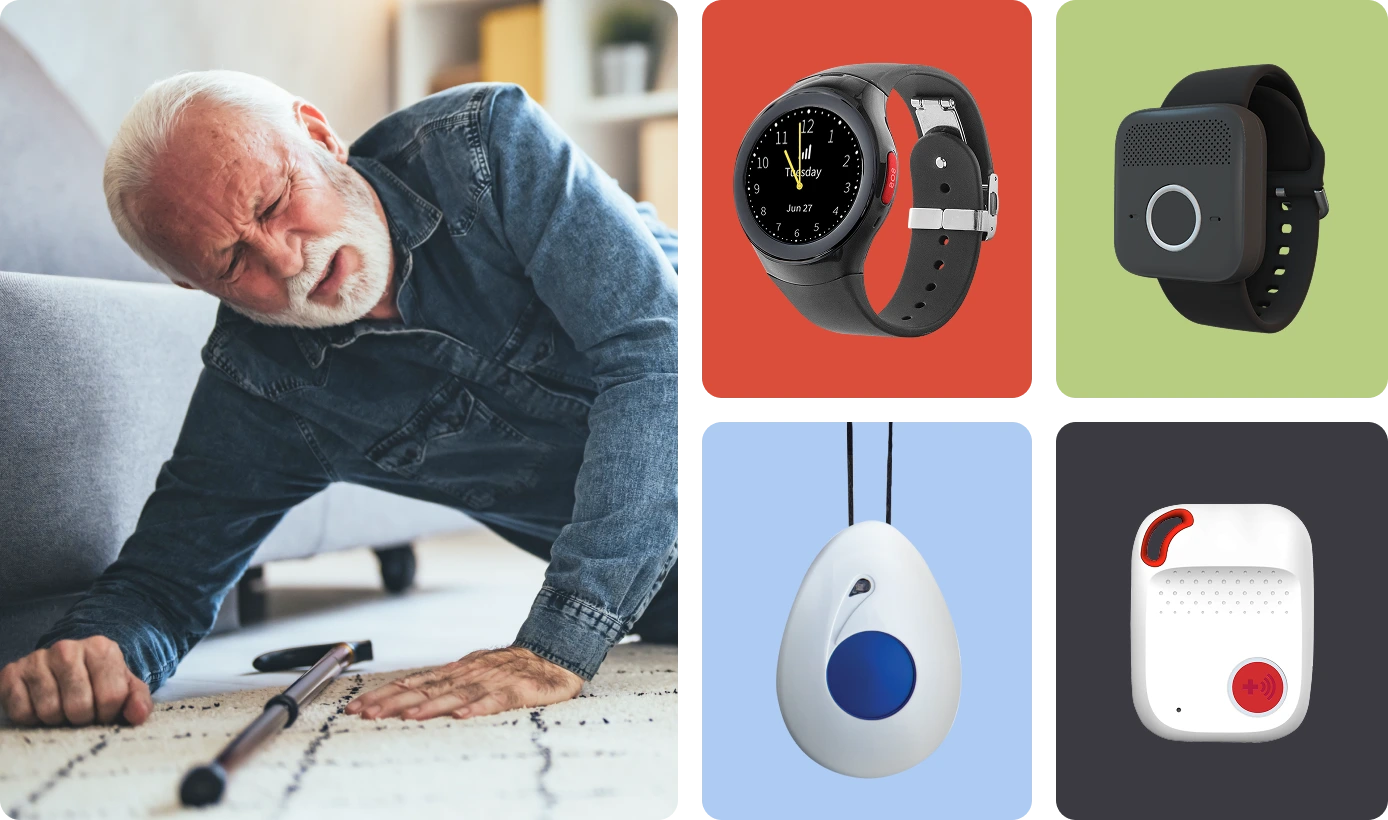
Wearables that do more than count steps
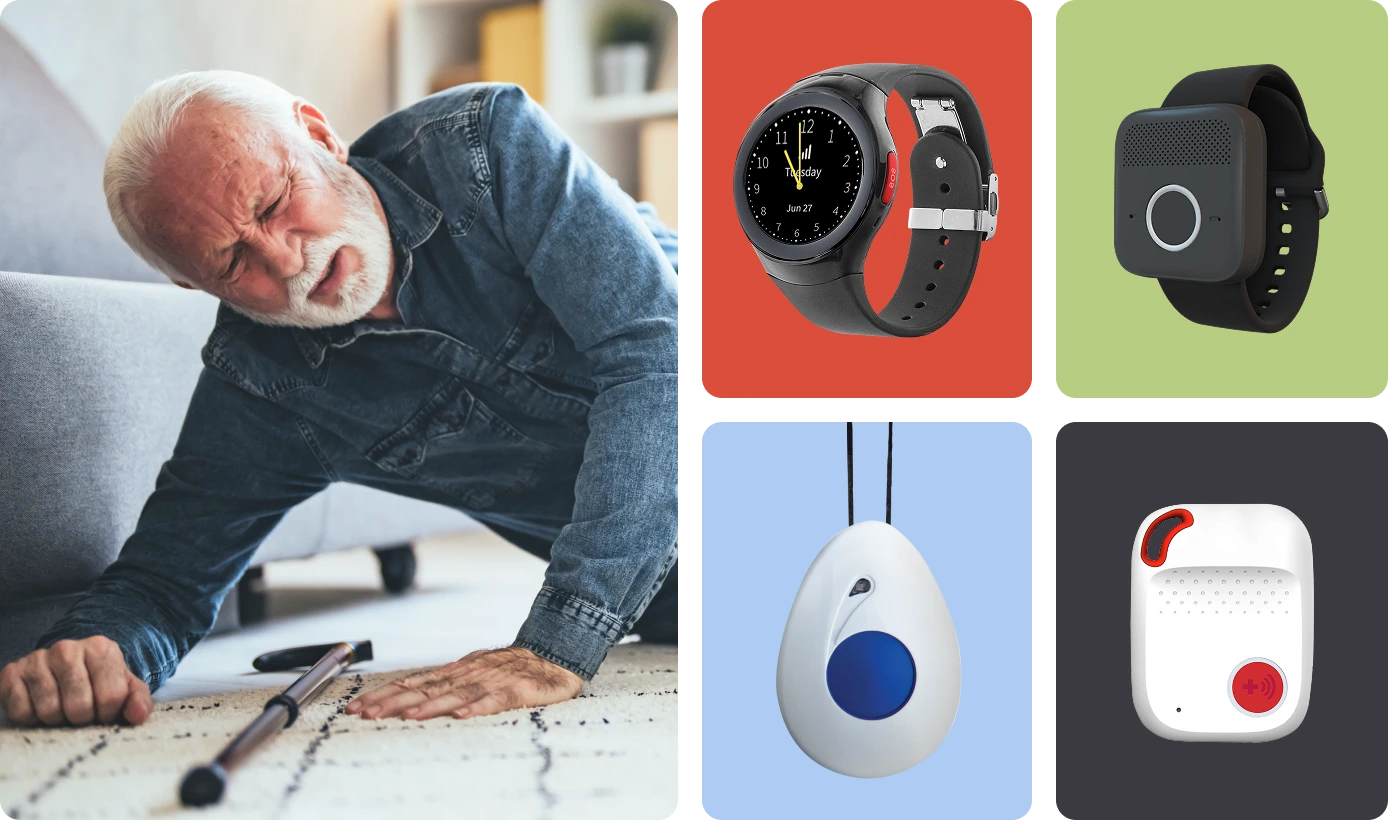
Wearable fall detection devices have come a long way from simple step counters. Early models were often bulky and unreliable, but today’s devices are sleek, comfortable, and surprisingly accurate. The core technology relies on a combination of sensors – primarily accelerometers and gyroscopes – that detect sudden changes in motion and orientation. Sophisticated algorithms then analyze this data to determine if a fall has occurred.
Accuracy rates vary, but most reputable devices claim sensitivity and specificity around 90-95%. However, these numbers aren’t always straightforward. False positives – triggering an alert when no fall has happened – can be frustrating, while false negatives – failing to detect a genuine fall – are far more serious. Factors like the individual's gait, the surface they're walking on, and the device's placement can all impact accuracy. Some devices allow for customization of sensitivity settings, which can help minimize false alarms.
Most wearables now link to emergency services. The Apple Watch calls 911 if it detects a hard impact followed by a minute of stillness. Pendants from Life Alert or Medical Guardian are simpler but usually come with a monthly subscription fee that can run between $30 and $60.
There's also exciting development happening with robotics. MIT researchers have created an 'eldercare robot' designed to assist with sitting and standing, and crucially, to catch individuals if they begin to fall. While still in development, this type of proactive robotic assistance represents a significant step forward in fall prevention.
- Apple Watch uses built-in sensors to call emergency services if you don't move after a fall.
- Life Alert provides a traditional pendant with a 24/7 monitoring center.
- Medical Guardian: Offers a range of wearable devices and monitoring plans.
Wearable Fall Detection Device Comparison (2026)
| Device | Detection Accuracy | Comfort & Wearability | Emergency Contact Options | Monthly Cost |
|---|---|---|---|---|
| Apple Watch (with fall detection) | Generally high, relies on accelerometer and gyroscope data; accuracy can be impacted by activity type. | Designed as a general-purpose smartwatch; may be less comfortable for 24/7 wear compared to dedicated devices. | Automatic Emergency SOS calls to 911 and notifications to designated contacts. Requires cellular connectivity or nearby iPhone. | Requires Apple Watch purchase and potentially a cellular plan; subscription for Family Setup may apply. |
| Lively Mobile Plus | Designed specifically for fall detection; generally reliable, but performance can vary based on individual circumstances. | Lightweight and comfortable pendant or wristband options. Focus on simplicity and ease of use. | 24/7 professional monitoring with two-way voice communication. Option for family notifications. | Subscription-based service; costs vary depending on features and contract length. |
| Bay Alarm Medical | Utilizes a combination of sensors and algorithms; reports suggest good sensitivity, with potential for occasional false alarms. | Offers various wearing styles (necklace, wristband, clip). Designed for discreet and continuous wear. | 24/7 professional monitoring with immediate connection to emergency services. Option for GPS location sharing. | Subscription-based service; multiple plans available with varying levels of features and monthly fees. |
| FallSafe by Vitality | Focuses on machine learning to reduce false alarms; aims for high accuracy in real-world scenarios. | Designed as a discreet pendant; prioritizes comfort for all-day wear. | Professional monitoring with quick response times and two-way voice communication. Family app for updates. | Subscription required; pricing tiers based on included services. |
| Aloe Care | Combines wearable detection with a home-based hub; utilizes both fall detection and voice activation. | Wearable is designed for comfort; the hub provides additional safety features within the home. | Direct connection to a live care specialist; integrates with home sensors for a comprehensive safety system. | Subscription-based service; costs depend on the features and services selected. |
| Vayusek Fall Detection Sensor | Employs advanced sensor fusion to improve accuracy and reduce false positives. | Small and lightweight wearable sensor designed for continuous monitoring. | Automatic alerts to pre-selected contacts and emergency services; GPS location tracking. | Subscription-based service with flexible plans. |
Qualitative comparison based on the article research brief. Confirm current product details in the official docs before making implementation choices.
Smart Flooring: A Subtle Safety Net
Smart flooring represents a more subtle, and potentially more comprehensive, approach to fall prevention. These systems utilize a network of pressure sensors embedded beneath the flooring material to detect changes in gait, balance, and movement patterns. This allows the system to identify not only falls, but also subtle changes in mobility that could indicate an increased risk of falling.
Beyond fall detection, smart flooring can also monitor activity levels, track the time spent in different areas of the home, and even detect potential hazards like spills or obstructions. This data can be invaluable for caregivers and healthcare providers, providing insights into an individual’s overall health and well-being. It’s a shift from reactive to proactive monitoring.
Smart flooring is expensive and requires a full renovation. You can't just slap it over existing tile. There are also privacy questions since the floor tracks every step you take in your own home. Right now, these systems are mostly found in high-end assisted living facilities rather than private homes.
- Cost: Can be a significant upfront investment.
- Installation: Requires professional expertise.
- Privacy: Data security is a crucial consideration.
Modern alert systems
The traditional 'Help, I’ve fallen and ' button remains a vital component of fall prevention for many seniors, but modern alert systems have evolved significantly. While personal emergency response systems (PERS) still rely on a button press, they now offer a range of advanced features, including automatic fall detection, GPS tracking, and two-way communication.
A key consideration is the communication method. Cellular-based systems offer wider coverage and don’t rely on a home internet connection, making them ideal for individuals who spend time outdoors. WiFi-based systems, on the other hand, may be more affordable but have limited range. Range limitations are a real issue; a system that doesn’t work throughout the entire house – or even in the yard – is of limited value. Reliable connectivity is absolutely essential.
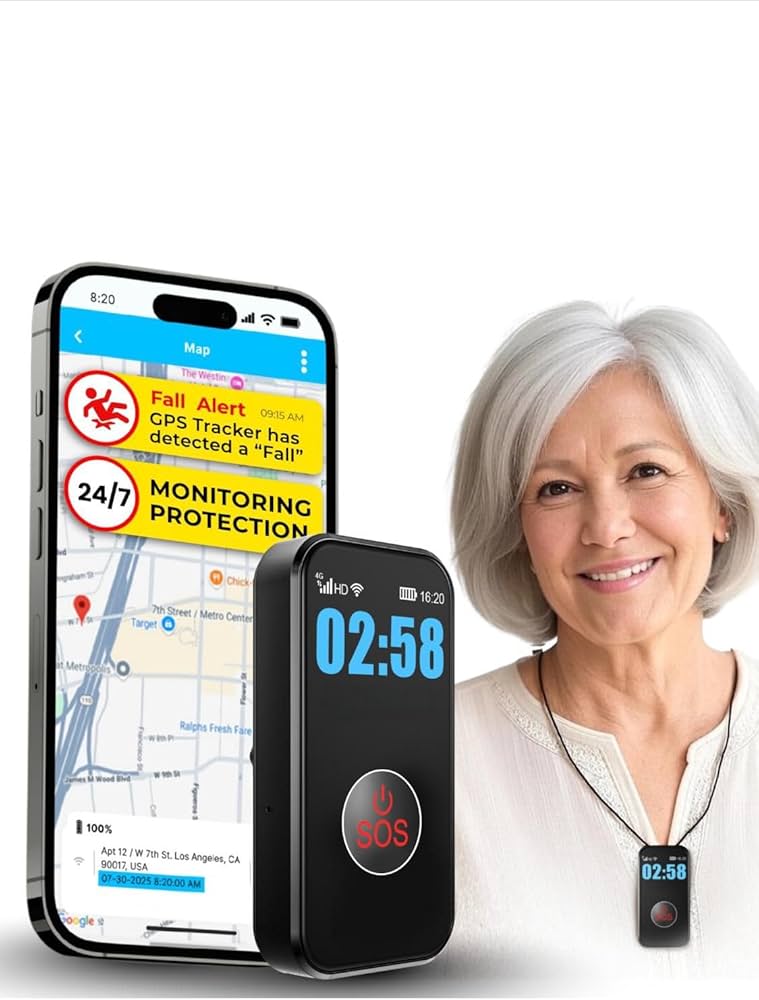
Many systems now include GPS tracking, allowing for outdoor fall detection and providing emergency responders with the user’s exact location. Two-way communication allows the user to speak directly with a trained operator, providing valuable information about the situation. Some systems are even integrating with smart home devices, allowing users to control lights, thermostats, and other appliances with voice commands.
The integration with smart home technology is particularly promising. For example, a fall detection alert could automatically trigger lights to turn on, making it easier for emergency responders to locate the user. Or a smart speaker could be used to initiate an emergency call hands-free.
Integrating Technologies: A Holistic Approach
The true power of fall prevention technology lies in its integration. Imagine a scenario where a wearable device detects a fall, automatically triggering an alert through a smart home system. The system could then notify emergency contacts, unlock doors for first responders, and even provide vital medical information to paramedics. This seamless coordination can significantly reduce response times and improve outcomes.
Smart flooring can contribute to this holistic approach by providing data on gait and activity levels. This data can be shared with healthcare providers, allowing them to identify individuals at high risk of falling and develop personalized prevention plans. The data can also be used to monitor the effectiveness of interventions, such as physical therapy or medication adjustments.
We’re starting to see the emergence of predictive analytics, using machine learning algorithms to identify patterns that indicate an increased risk of falling. By analyzing data from wearables, smart flooring, and other sources, these algorithms can potentially predict falls before they happen, allowing for proactive interventions. While still in its early stages, this technology holds immense promise for preventing falls and maintaining independence.
Accessibility and Affordability: Bridging the Gap
Despite the advancements in fall prevention technology, accessibility and affordability remain significant barriers to adoption. Many devices are expensive, and the ongoing subscription fees for monitoring services can be a financial burden for seniors on fixed incomes. Usability is also a concern; devices with complicated interfaces or small buttons can be difficult for those with limited dexterity or vision to operate.
Fortunately, there are potential funding sources available to help offset the cost. Medicare and Medicaid may cover some fall prevention services, such as physical therapy and home safety assessments. Veteran’s benefits may also be available to eligible individuals. It’s important to explore all available options and to advocate for increased coverage of these technologies.
The Americans with Disabilities Act (ADA) guidelines require that assistive devices be accessible to individuals with disabilities. This includes ensuring that devices are easy to use, have clear instructions, and are compatible with assistive technologies. Manufacturers need to prioritize accessibility in the design and development of these products.
Beyond financial assistance, simplified setup and user-friendly interfaces are vital. Companies should focus on creating technologies that are intuitive and require minimal technical expertise to operate. Family members and caregivers can also play a crucial role in helping seniors adopt and use these devices effectively.
Fall Prevention Resources
- Area Agencies on Aging (AAA) – These local agencies provide information on fall prevention programs and can connect seniors with assistive technology resources, often including financial aid options.
- State Disability Programs – Many states offer programs specifically designed to help individuals with disabilities, including seniors, access assistive technology. These programs may provide financial assistance, loans, or device demonstrations.
- The Assistive Technology Loan Program – Available in some states, this program provides low-interest loans to individuals needing assistive technology devices, potentially covering fall prevention tools.
- Non-profit Organizations (e.g., Easterseals) – Organizations like Easterseals often offer grants or financial assistance programs to help seniors afford assistive technology, including fall detection devices and home modifications.
- BenefitsCheckUp – This service, run by the National Council on Aging (NCOA), helps seniors identify benefit programs that can assist with expenses, potentially including those related to assistive technology.
- Veteran-Specific Programs – Veterans may be eligible for financial assistance for assistive technology through the Department of Veterans Affairs (VA).
- State Units on Aging – Each state has a Unit on Aging that can provide information about local resources and programs, including those related to fall prevention and assistive technology funding.
No comments yet. Be the first to share your thoughts!