

Why smart home assistive technology matters now
The goal of aging in place is straightforward: stay in your own home as long as possible. But the reality of daily life often involves small, dangerous moments—a missed medication dose, a fall in the bathroom, or simply the quiet loneliness that follows when family lives far away. Smart home assistive technology bridges this gap by providing reliable, low-intrusion support that human caregivers cannot always offer 24/7.
These devices range from simple voice-enabled assistants that remind users to take pills to more complex robots that monitor movement and detect falls. According to research from the California Department of Aging, these tools are becoming essential for maintaining dignity and safety without the need for institutional care. They act as a digital safety net, catching errors before they become emergencies.
The financial argument is also clear. While the upfront cost of a device might seem high, it is often far less than the average $85,000 annual cost of human caregiving in the US. By automating routine safety checks, these bots allow seniors to remain independent, giving families peace of mind and reducing the burden on professional care systems.
10 Best Seniors Bot Devices for Aging in Place 2026
These 10 senior bot devices are selected for their proven ability to support daily independence and safety at home. Each recommendation highlights specific models that simplify tasks, monitor well-being, and empower aging in place with reliable, real-world performance.
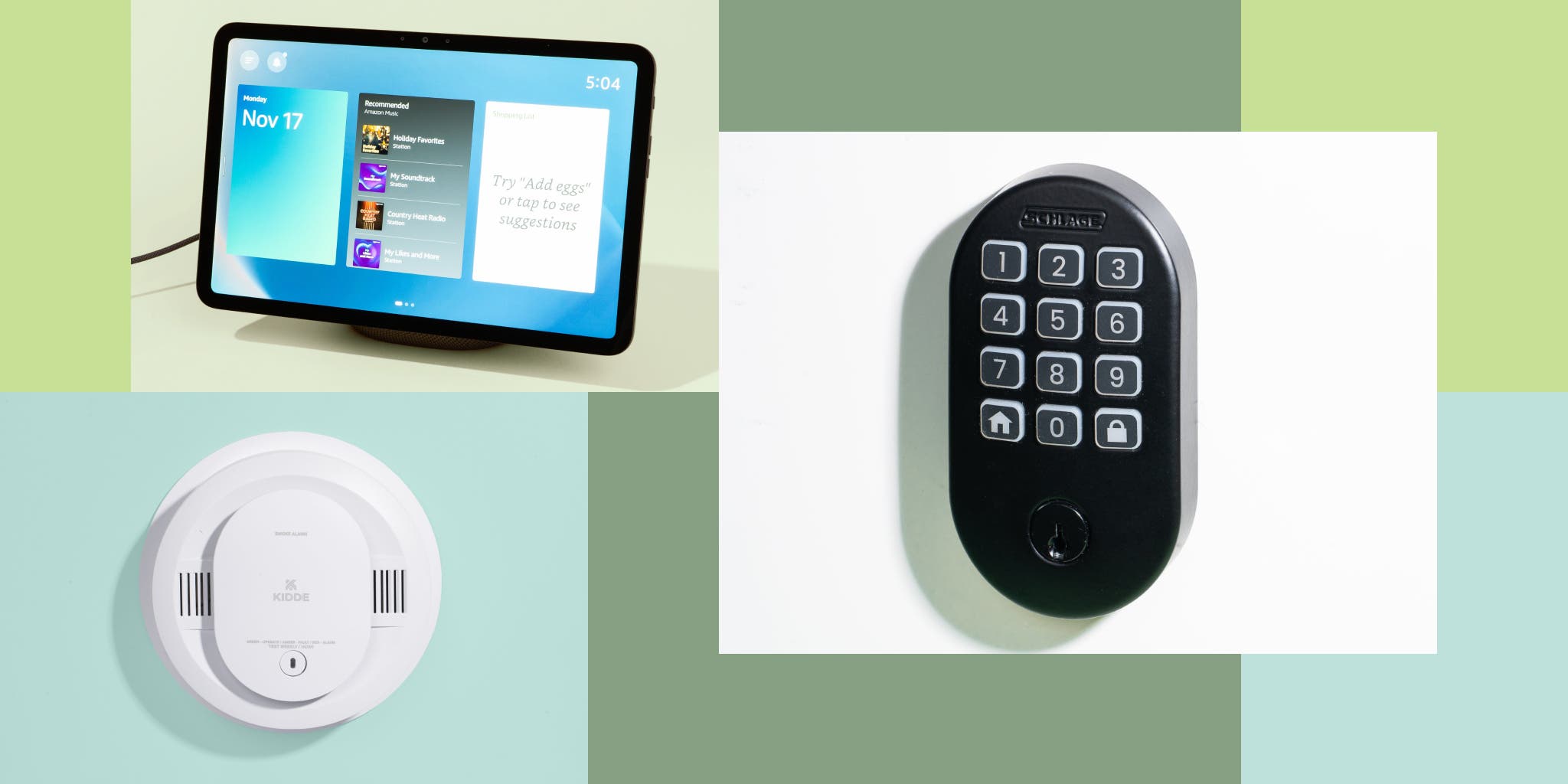
1. Amazon Echo Show 15 with medication reminders
The Echo Show 15 transforms a large kitchen display into a central command hub for daily routines. Its 15-inch screen offers clear visuals for video calls with family, while customizable widgets track appointments and weather. Voice-activated medication reminders ensure doses are never missed, providing peace of mind for both seniors and caregivers without requiring complex tech skills.

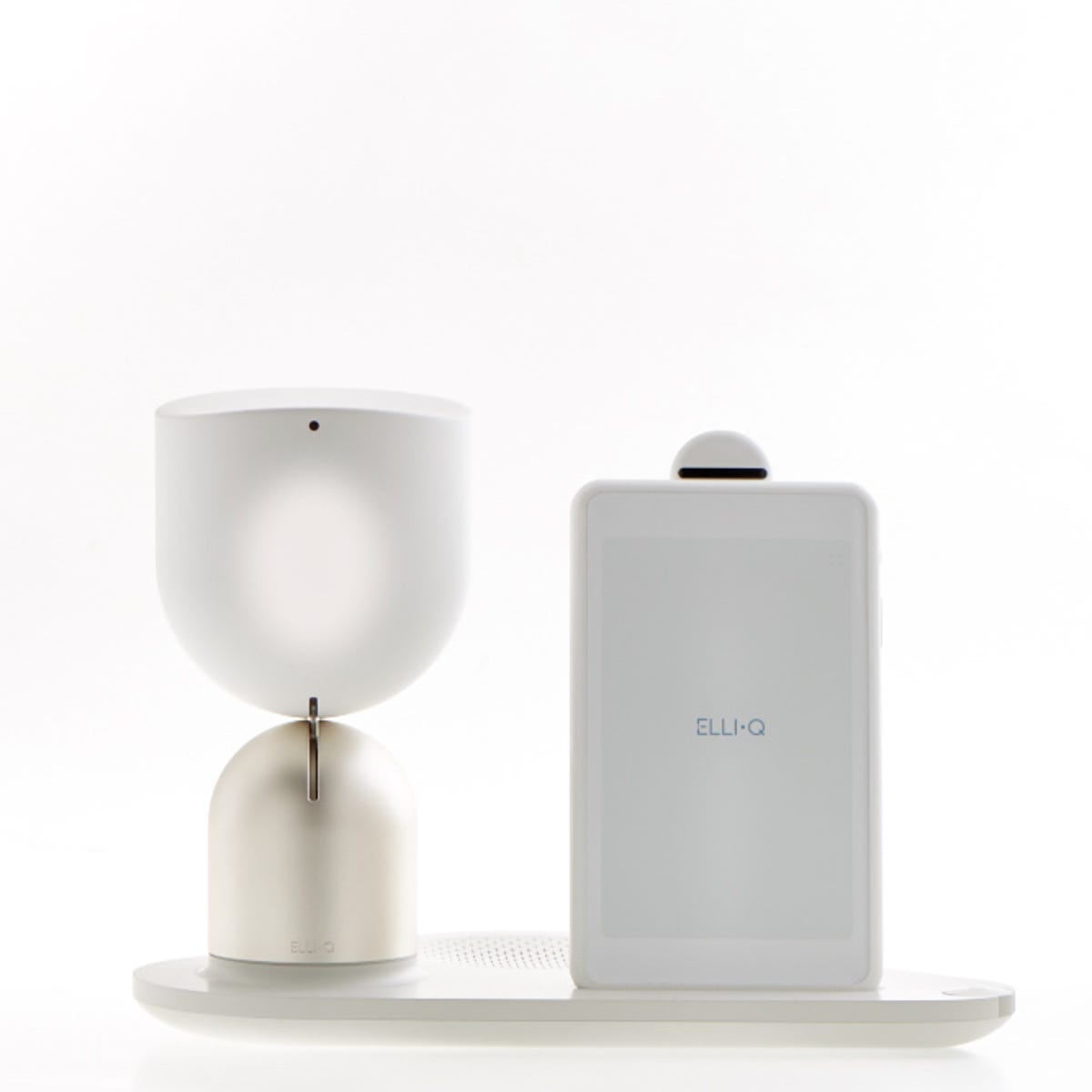
2. ElliQ companion robot for social engagement
ElliQ acts as a proactive digital companion, initiating conversations rather than waiting for commands. Designed specifically for older adults, it suggests activities, reminds users to take calls, and facilitates video chats with loved ones. This gentle interaction combats isolation by fostering a sense of connection and routine, making it a supportive presence in the home.
3. Apple Watch Series 9 fall detection
The Apple Watch Series 9 serves as a vital safety net with its advanced fall detection capabilities. It automatically contacts emergency services if a hard fall is detected and the user remains immobile. Beyond safety, it tracks heart health and activity levels, empowering seniors to maintain an active lifestyle while knowing help is just a tap away.
![Apple Watch Series 11 [GPS 42mm] Smartwatch with Rose Gold Aluminum Case with Light Blush Sport Band - S/M. Sleep Score, Fitness Tracker, Health Monitoring, Always-On Display, Water Resistant](https://m.media-amazon.com/images/I/6110Jv9wqeL._AC_UY654_QL65_.jpg)
4. August Smart Lock Pro for secure entry
The August Smart Lock Pro eliminates the stress of lost keys by allowing remote access via smartphone. Seniors can grant entry to family or caregivers from anywhere, ensuring they never feel locked out. The sleek design fits existing deadbolts, providing enhanced security and convenience without requiring major home modifications or complex installation processes.

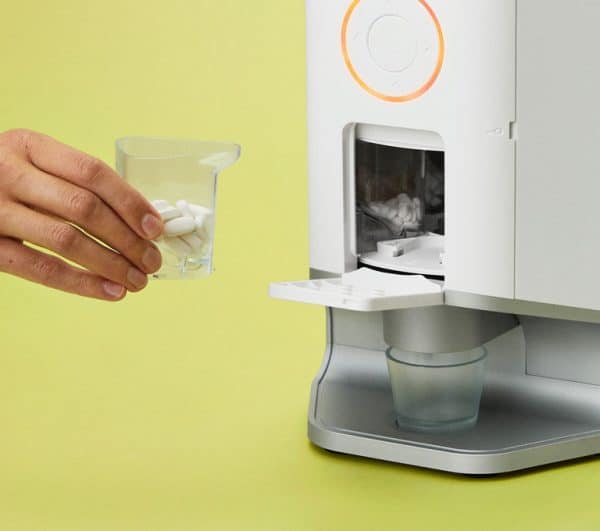
5. Hero Automated Medication Dispenser system
Hero is a sophisticated medication management system that organizes doses for weeks in advance. It dispenses the correct pills at scheduled times and sends alerts if a dose is missed. By automating this critical task, it reduces the cognitive load on seniors and provides caregivers with real-time adherence reports, ensuring consistent health management.
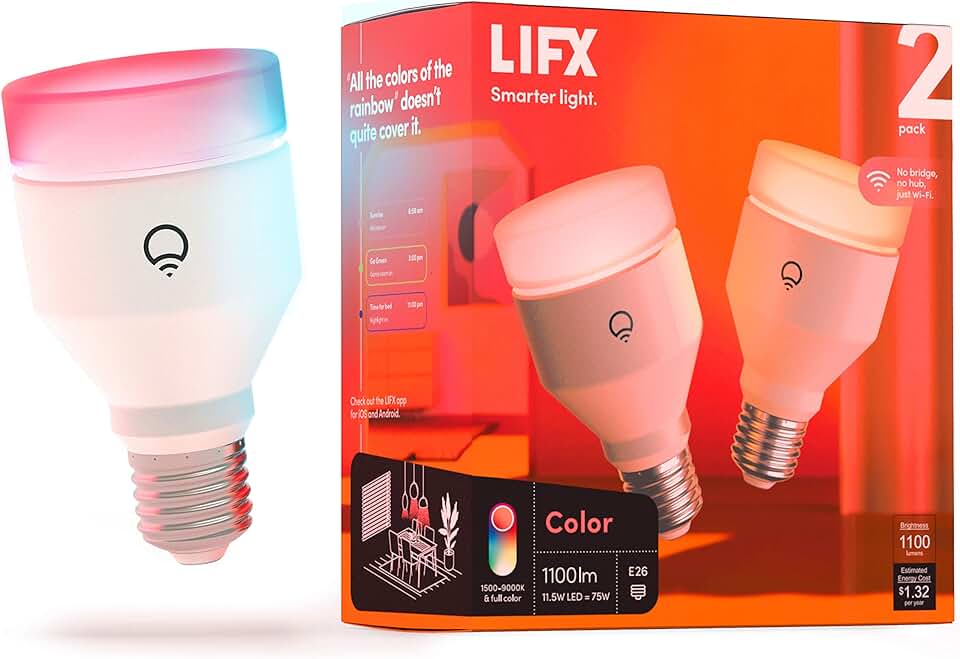
6. LIFX Z smart bulbs for voice control
LIFX Z bulbs eliminate the need for physical switches, allowing seniors to adjust lighting via voice commands or a simple app. Their bright, warm-white settings reduce eye strain during evening activities, while scheduling features ensure hallways are lit automatically at night. This hands-free control enhances safety by preventing trips in dimly lit areas without requiring complex setup.
7. iRobot Roomba j7+ for floor cleaning
The Roomba j7+ takes the physical burden of vacuuming off seniors by handling daily floor maintenance autonomously. Its PrecisionVision Navigation identifies and avoids obstacles like shoes and pet waste, ensuring consistent cleaning without user intervention. The self-emptying base means less frequent maintenance, keeping floors clear of tripping hazards and dust for healthier breathing.

8. Nest Learning Thermostat for climate safety
The Nest Learning Thermostat adapts to a senior’s daily routine, automatically adjusting temperatures to prevent dangerous heat or cold exposure. Its remote access allows caregivers to monitor and adjust settings from anywhere, ensuring comfort during extreme weather. The energy-saving features also help reduce utility bills, providing financial peace of mind alongside physical comfort.

9. LifeAlert Medical Alert System with GPS
LifeAlert provides immediate emergency response through a wearable button that connects to 24/7 monitoring centers. With built-in GPS, it ensures help arrives even if the senior is outside their home, addressing a critical gap in traditional landline systems. The waterproof design allows for safe use in bathrooms, where many falls occur, offering continuous protection.

10. Amazon Astro home monitoring robot
Amazon Astro acts as a mobile companion, roaming the home to check on seniors or deliver packages. Its two-way video chat allows family members to visually verify well-being remotely, while its autonomous navigation ensures it doesn’t get stuck under furniture. This device bridges the gap between static cameras and active human check-ins, offering dynamic peace of mind.

Compare seniors bot devices by function and cost
Choosing the right assistive technology depends on which daily tasks need the most support. This comparison breaks down ten common device categories to help you weigh features against budget and independence goals.
| Category | Primary Function | Typical Cost | Best For |
|---|---|---|---|
| Voice Assistants | Medication reminders and calls | $50-$200 | Memory support |
| Companion Robots | Social interaction and monitoring | $1,000-$3,000 | Combating loneliness |
| Fall Prevention | Physical support and catching | $2,000-$5,000 | Mobility safety |
| Health Monitors | Vitals tracking and alerts | $100-$500 | Chronic condition management |
| Navigation Aids | Indoor guidance and obstacle avoidance | $300-$1,000 | Dementia care |
| Medication Dispensers | Automated pill sorting | $50-$150 | Medication adherence |
| Social Robots | Video calls and entertainment | $200-$800 | Family connection |
| Activity Trackers | Step counting and sleep analysis | $20-$100 | General wellness |
| Emergency Response | One-touch alert systems | $30-$100 | Quick emergency help |
| Cleaning Robots | Floor vacuuming and mopping | $200-$600 | Home maintenance |


As an Amazon Associate, we may earn from qualifying purchases.
Cost and setup questions for seniors bot
Many seniors and caregivers worry that assistive technology is too expensive or complicated to install. The reality is that most consumer-grade devices fit into a standard monthly budget, and setup rarely requires professional help. Understanding the upfront and ongoing costs helps you choose the right tool for your specific needs without breaking the bank.
No comments yet. Be the first to share your thoughts!