

Why AI matters for aging in place
Aging in place remains the preferred choice for most older adults, yet staying home safely requires more than just a comfortable house. It demands reliable support for daily living, health monitoring, and social connection. As the senior population grows, traditional caregiving resources are stretching thin, creating gaps in safety and companionship that technology is now filling.
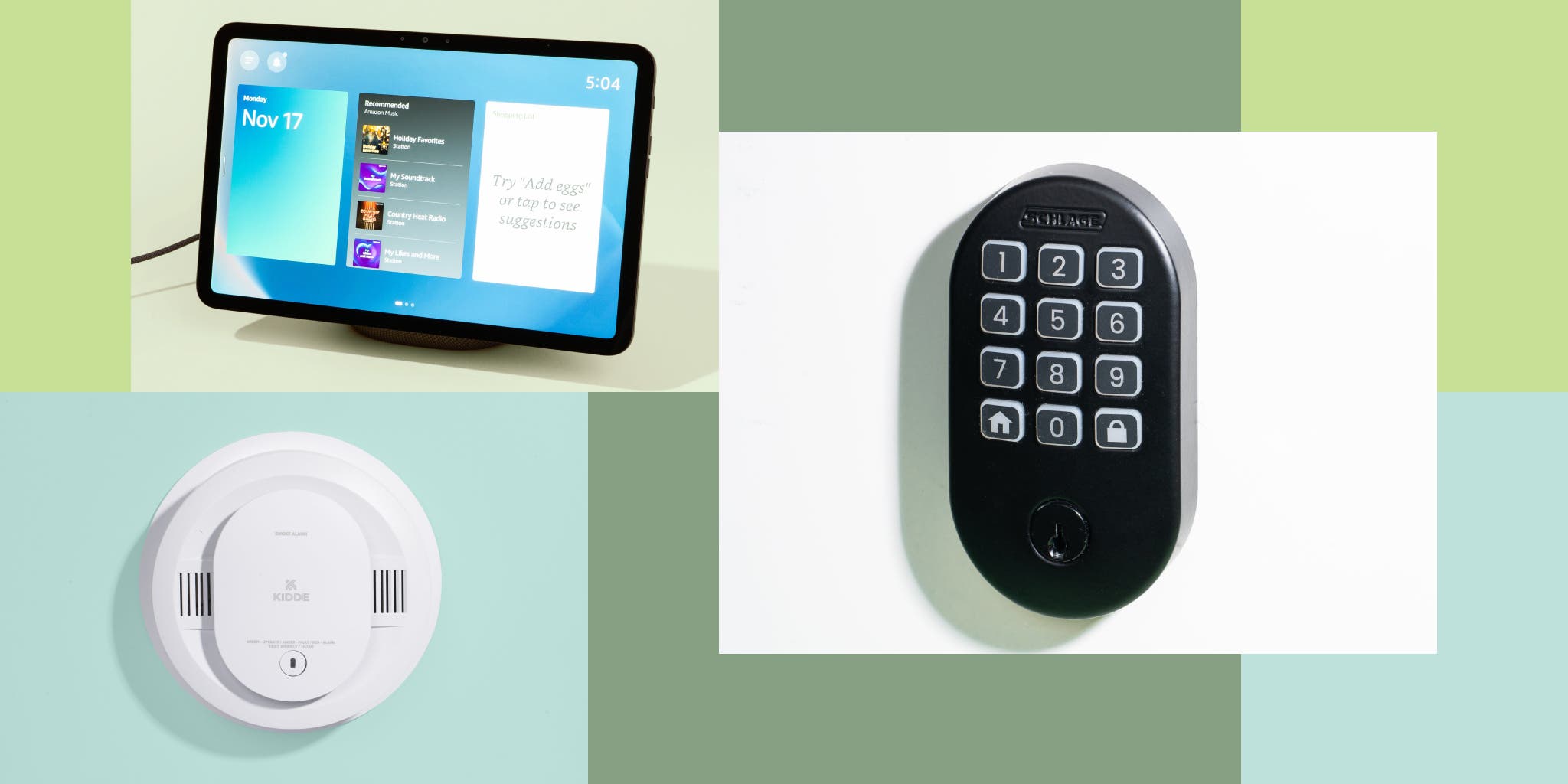
AI-powered devices act as an electronic helping hand, addressing three critical needs: safety, health, and loneliness. Unlike passive monitoring tools, these smart assistants actively engage with users, offering reminders, detecting falls, and providing conversational interaction. This proactive approach helps maintain independence while giving families peace of mind.
For seniors struggling with isolation, AI companions like ElliQ offer more than just information retrieval. They facilitate connection by helping users share photos, send messages, and join community activities like virtual tours or bingo. By stimulating brain activity and reducing feelings of loneliness, these bots serve as a supplement to human caregivers, supporting cognitive health and emotional well-being.

As an Amazon Associate, we may earn from qualifying purchases.
The shift toward AI-assisted living is not about replacing human care but enhancing it. These devices bridge the gap between independent living and the need for constant oversight, making it safer and more socially engaging for seniors to remain in their own homes.
10 AI-Powered Assistive Devices for Aging in Place in 2026
As the 'seniors bot' landscape evolves for 2026, these ten AI-powered assistive devices offer practical support for independent living. Each selection highlights specific hardware features designed to enhance safety and convenience for aging in place.
-
ElliQ proactive companion robot for daily engagement
ElliQ operates as an active companion, initiating conversations rather than waiting for commands. This proactive design combats isolation by reminding users of appointments, sharing news, and facilitating video calls with family. Its sleek, desktop-friendly form factor integrates seamlessly into living spaces, offering a gentle nudge toward social interaction and daily structure for seniors seeking reliable digital companionship. -

SeniorTalk AI chatbot for reducing social isolation
SeniorTalk leverages natural language processing to create meaningful dialogue tailored to elderly users. This AI chatbot focuses on reducing social isolation by engaging in reminiscence therapy and casual conversation. It adapts to user preferences over time, providing a consistent, judgment-free listener that helps maintain cognitive engagement and emotional well-being through regular, personalized text-based interactions. https://imageio.forbes.com/specials-images/imageserve/68f2ac60bcaa919730255d99/0x0.jpg?format=jpg&height=600&width=1200&fit=bounds | alt: Lonely Seniors Are Turning To AI Bots For Companionship -
Blue Frog Buddy empathetic care robot features
Blue Frog Buddy combines physical presence with empathetic AI to provide comfort. This robot features expressive eyes and responsive movements that mimic social cues, creating a sense of genuine connection. It supports aging in place by offering emotional support, medication reminders, and emergency alerts, serving as a tangible, friendly presence that alleviates feelings of loneliness in independent living settings. -
Navi three-foot-tall care companion robot overview
Navi is a three-foot-tall humanoid robot designed to assist with daily tasks and companionship. Equipped with advanced navigation and voice recognition, it helps seniors locate items, set timers, and engage in light conversation. Its compact size allows it to move safely through homes, providing practical assistance and social interaction without overwhelming the user or cluttering living spaces. -
Botchat simple AI interface for loneliness support
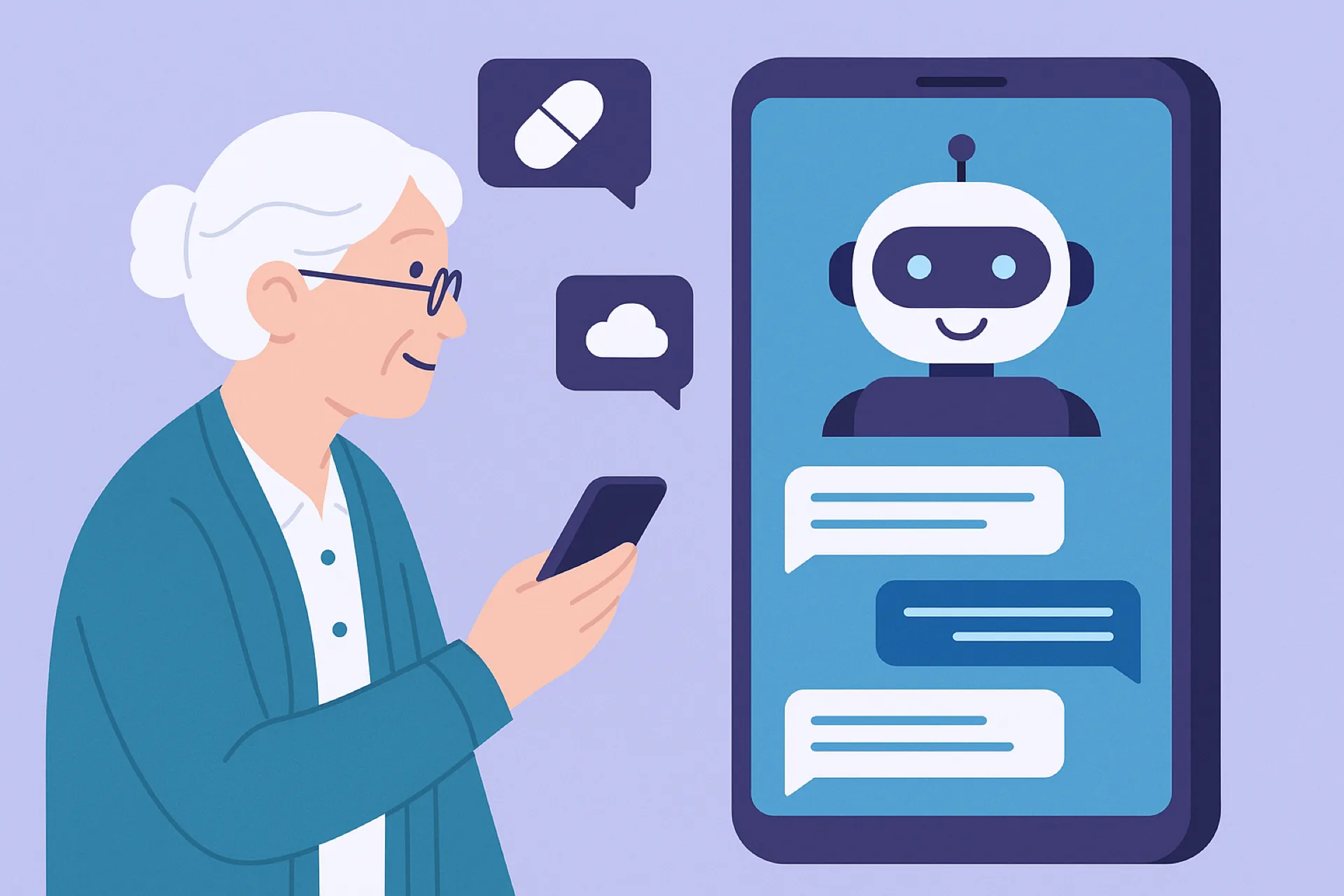
Botchat offers a streamlined AI interface focused solely on reducing loneliness through simple, accessible interaction. Designed for users who may find complex technology daunting, it provides easy voice or text-based conversations. This tool emphasizes emotional support and daily check-ins, ensuring that seniors have a reliable, user-friendly channel to connect with AI-driven companionship without technical barriers. -
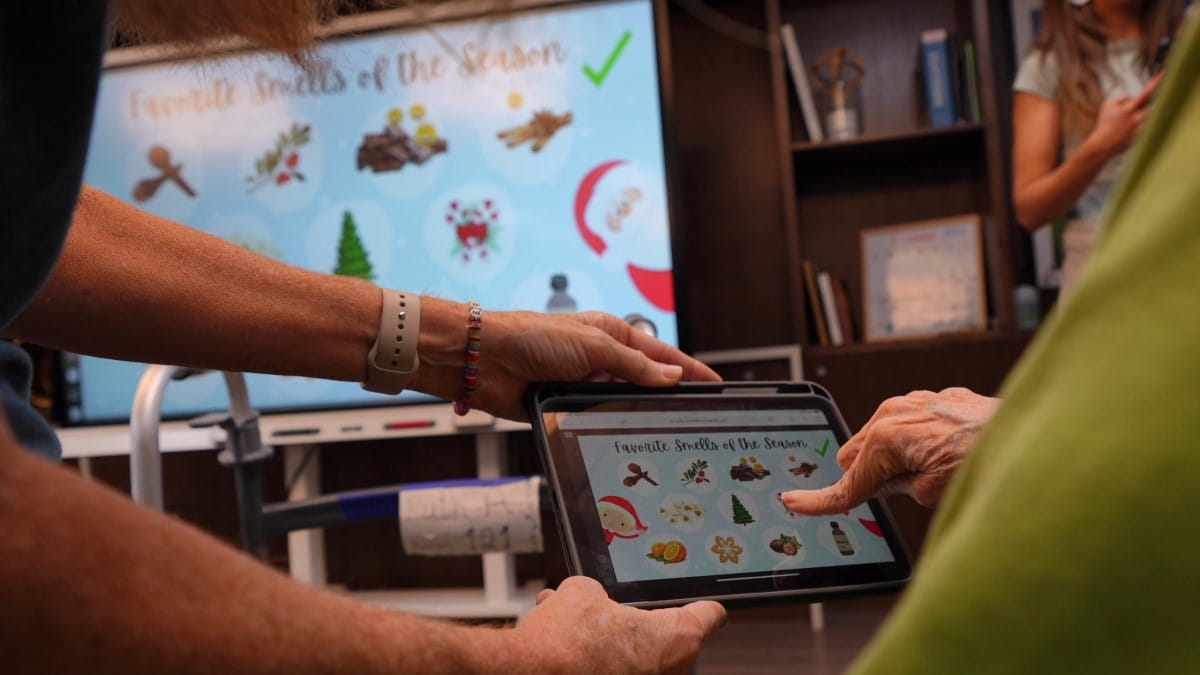
Smart health monitors with AI insight alerts
Elevating senior care: SMART's approach to healthy aging -

Voice assistants configured for senior safety protocols
User-centered AI-based voice-assistants for safe mobility of older people in urban context -

AI-powered fall detection sensors for home safety
Milesight VS373 Radar Fall Detection Sensor - The Future of Care-giving and More -

Automated medication dispensers with AI usage tracking
Leveraging technology to support aging in place -

Smart home hubs integrating AI senior care tools
18 Best Smart Home Devices to Help Aging in Place in 2026
How AI senior devices compare
Choosing the right seniors bot depends on whether you need a standalone companion, a voice-first assistant, or a full-room safety system. The following table breaks down the key differences between four leading options based on their form factor, primary interaction method, and ideal use case.
| Device | Form Factor | Primary Interaction | Best For |
|---|---|---|---|
| ElliQ | Desktop companion robot | Proactive voice and screen | Combating loneliness and daily engagement |
| SeniorTalk | Software platform | Voice and text chat | Simple, accessible conversation without hardware |
| Blue Frog Buddy | Mobile robot | Voice and movement | Active monitoring and facility-wide support |
| Navi | Standing robot | Voice and gestures | Assisted living environments and group activities |
ElliQ stands out for its proactive nature, initiating conversations rather than waiting for commands. This makes it ideal for seniors who might otherwise sit in silence for hours. In contrast, SeniorTalk offers a lower-barrier entry point as a software-based solution, requiring no dedicated hardware beyond a tablet or phone. For those needing physical presence, Blue Frog’s Buddy and Navi offer mobile capabilities that allow them to move through a home or facility, providing a different layer of engagement and monitoring.



As an Amazon Associate, we may earn from qualifying purchases.
Frequently asked questions about AI bots
What is the AI bot for seniors including me?
ElliQ is a companion robot designed specifically for seniors and older adults to support healthy aging at home. It goes beyond simple voice commands by initiating daily conversations and helping users stay connected with family, friends, and caregivers. The device makes it easy to share photos, messages, and updates, while also bringing people together through community activities like Bingo and Virtual Tours with other ElliQ members.
How do AI bots help seniors age in place?
AI-powered devices provide a layer of safety and independence that allows seniors to remain in their own homes longer. By monitoring routines and offering reminders for medications or appointments, these bots reduce the cognitive load on older adults. They also serve as a constant point of contact, reducing feelings of isolation and ensuring that help can be summoned quickly if needed.
Are AI bots difficult to set up for non-tech users?
Most modern AI bots for seniors are designed with simplicity in mind. They often require minimal setup, with many features accessible through voice commands or large, intuitive touchscreens. ElliQ, for example, is built to be proactive, meaning it guides the user through interactions rather than requiring complex navigation. This approach ensures that even those with limited technical experience can benefit from the technology without frustration.
No comments yet. Be the first to share your thoughts!