

Lives Saved: AI Health Monitoring in 2026
Imagine this: Eleanor, 82, lives alone and enjoys her independence. She’s active, loves gardening, but recently experienced a fall in her kitchen. Luckily, the AI-powered health monitoring system she wears detected the fall immediately, contacted her daughter, and dispatched emergency services – all while Eleanor was unable to move. This isn’t a futuristic fantasy; it’s a scenario becoming increasingly common thanks to advancements in AI health monitoring for seniors.
In 2026, these systems are moving beyond simple step tracking. We’re seeing a convergence of sophisticated sensors, powerful AI algorithms, and user-friendly designs specifically tailored for the needs of older adults. The goal isn’t simply to add convenience, but to preserve independence and, crucially, to save lives.
The market is largely divided into two categories: smartwatches offering continuous health insights on your wrist, and comprehensive home systems that create a safety net within the familiar environment of one’s home. Both have their strengths and weaknesses, and the right choice depends on individual needs and preferences. The improvements in accuracy and responsiveness in these devices are significant, making them a powerful tool for both seniors and their caregivers.
It’s important to understand that this technology isn’t a replacement for human connection or regular medical checkups. It’s an enhancement – a proactive layer of safety and support that can provide peace of mind for both seniors and their families. These devices are designed to alert, not diagnose, and should be used in conjunction with professional medical advice.
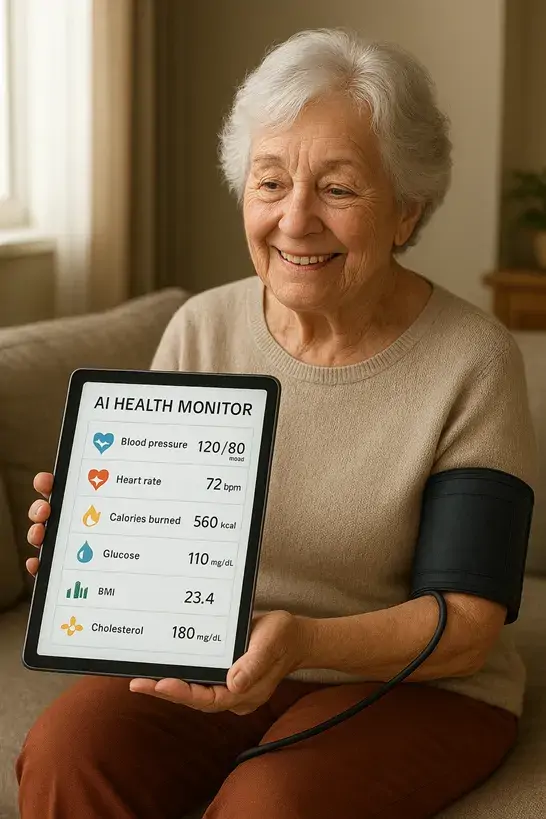
Smartwatches: Continuous Health on Your Wrist
Smartwatches for seniors have evolved considerably. They’re no longer just about telling time; they’re packed with sensors capable of monitoring a wide range of health metrics. Heart rate monitoring is a standard feature, but the real power lies in the AI algorithms that analyze this data for irregularities. Many devices now offer atrial fibrillation alerts, notifying the wearer – and designated contacts – of potentially dangerous heart rhythm disturbances.
Fall detection has also seen significant improvements. Early models were prone to false alarms, but algorithms in 2026 are much more sophisticated, using a combination of accelerometer, gyroscope, and barometer data to accurately identify falls. Some watches even learn an individual’s gait and activity patterns to further reduce false positives. This is especially useful for people who may be unsteady on their feet, but don’t necessarily need constant supervision.
Beyond heart rate and fall detection, smartwatches track activity levels, which can be linked to medication reminders. For example, a watch can prompt a user to take their medication after they’ve completed their morning walk. GPS location tracking is another vital feature, providing peace of mind for caregivers and enabling emergency services to quickly locate a senior in case of an emergency.
However, designing a smartwatch for older adults presents unique challenges. Smaller fonts and complex menus can be difficult to navigate. That's why manufacturers are focusing on larger, clearer displays, simplified interfaces, and voice control. Cellular connectivity is also crucial, allowing the watch to make emergency calls even without a paired smartphone. The Apple Watch Series 9 and the Fitbit Sense 2 are examples of devices that offer these features, though specialized senior-focused brands like Lively Mobile also provide compelling options.
The cost of these smartwatches varies widely, ranging from around $150 for basic models to $500 or more for those with advanced features and cellular connectivity. Subscription fees may also apply for certain services, such as fall detection monitoring or telehealth integration. It’s important to carefully consider these costs when making a purchase.
- Heart rate monitoring detects irregular rhythms and provides atrial fibrillation alerts.
- Fall detection accurately identifies falls and automatically contacts emergency services.
- Activity tracking monitors physical activity and can be linked to medication reminders.
- GPS Location: Enables caregivers and emergency services to locate the wearer.
- Cellular Connectivity: Allows for emergency calls even without a smartphone.
Featured Products

Fall Detection · ECG app for heart rhythm irregularities · High and low heart rate notifications
The Apple Watch Series 9 offers robust fall detection and heart health monitoring, providing seniors with immediate alerts and peace of mind.

ECG app for heart rhythm irregularities · SpO2 monitoring for blood oxygen levels · 24/7 heart rate tracking
The Fitbit Sense 2 provides comprehensive health insights, including stress and sleep tracking, alongside critical heart health monitoring for seniors.

Heart rate monitoring · Sleep tracking · Pulse Ox sensor
The Garmin Venu 3S features advanced health tracking, including heart rate and sleep analysis, to help seniors proactively manage their well-being.

ECG app · Blood pressure monitoring · Body Composition Analysis (BIA)
The Samsung Galaxy Watch 6 Classic integrates advanced sensors for comprehensive health monitoring, including fall detection and body composition analysis, crucial for senior health.

Heart rate monitoring · Blood oxygen saturation (SpO2) monitoring · Sleep tracking
The Amazfit Bip 6 offers essential health tracking features and an extended battery life, making it a reliable and accessible option for seniors.
As an Amazon Associate I earn from qualifying purchases. Prices may vary.
Beyond Wristwear: AI in the Home
While smartwatches offer continuous monitoring on the go, home-based AI systems create a safety net within the senior’s living space. These systems typically rely on a network of ambient sensors – motion detectors, door/window sensors, and even smart appliances – that learn the individual’s daily routines and detect anomalies. For example, if a senior usually gets up at 8 am but remains in bed until 10 am, the system can alert a caregiver.
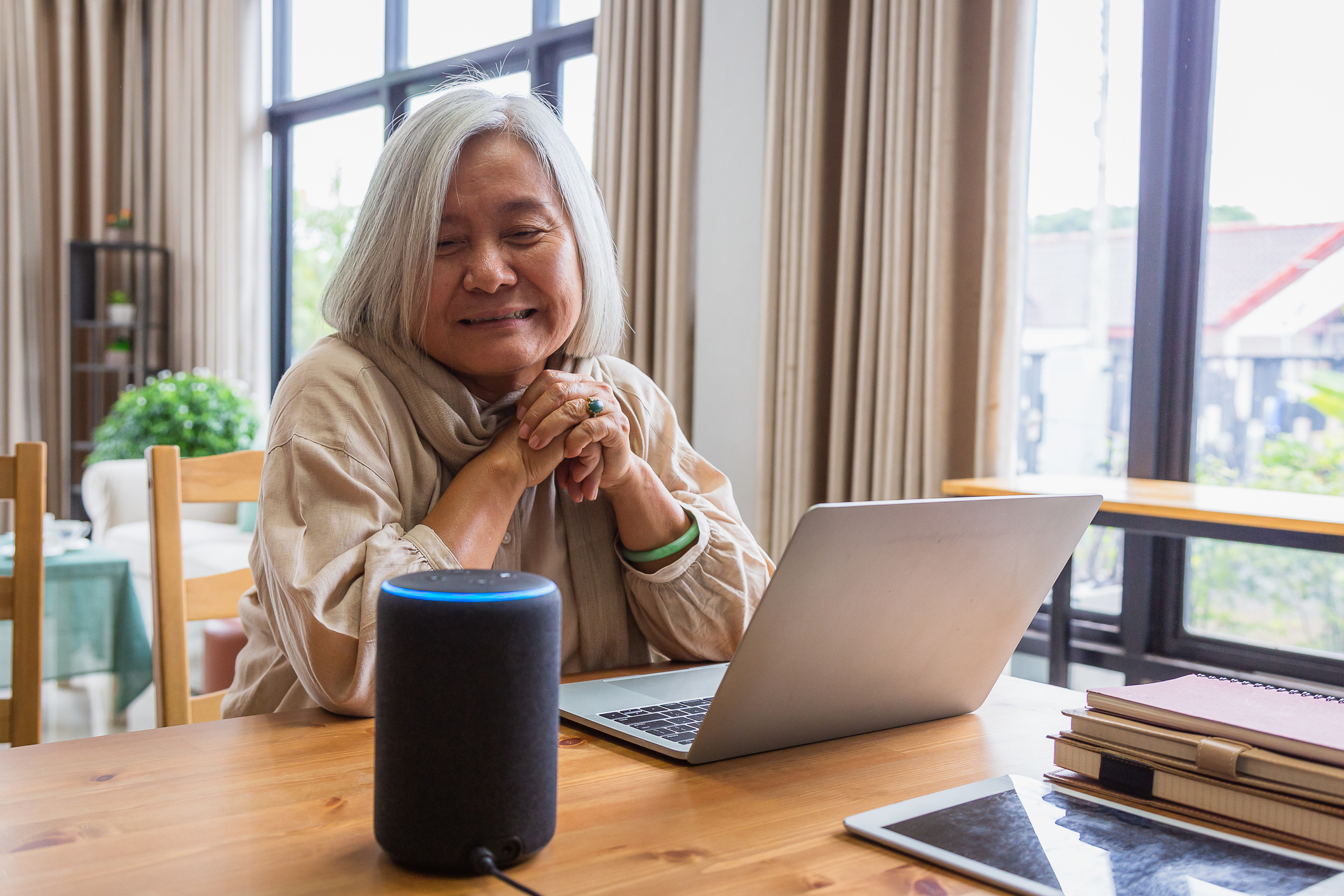
Voice assistants like Amazon Alexa and Google Assistant are becoming increasingly integrated with health monitoring. Seniors can use voice commands to set medication reminders, make emergency calls, schedule telehealth appointments, and even control smart home devices. This hands-free interaction is particularly beneficial for those with limited mobility or dexterity.
The Eldercare robot developed at MIT, as reported in MIT News, is a fascinating example of this trend. This aid-driven humanoid robot is designed to assist elderly individuals with tasks like sitting, standing, and preventing falls. The robot’s ability to physically support a senior during movement could be a game-changer for those at high risk of falls. While still in development, it points to the future of proactive, robotic assistance.
However, in-home monitoring raises legitimate privacy concerns. The constant collection of data about a senior’s movements and activities could be seen as intrusive. It’s crucial to choose systems that prioritize data security and offer transparent privacy policies. Features like data encryption, local data storage, and user control over data sharing are essential.
Several companies offer comprehensive in-home AI monitoring systems. Aloe Care Health provides a complete solution with fall detection, voice assistance, and 24/7 emergency support. GrandCare offers a similar suite of services, with a focus on family communication and remote monitoring. The cost of these systems varies depending on the features and services included, but typically ranges from $50 to $200 per month.
- Ambient Sensors: Monitor activity patterns and detect anomalies.
- Voice Assistants: Enable hands-free control and access to health information.
- Eldercare Robots: Provide physical assistance with mobility and fall prevention.
- Data Security: Protects sensitive health information from unauthorized access.
- Privacy Policies: Ensure transparency and user control over data sharing.
Decoding the Data: What AI Actually Measures
It’s not enough to know that a device can monitor your health; it’s important to understand what it’s actually measuring and how AI interprets that data. Heart rate variability (HRV), for example, is a measure of the variation in time between each heartbeat. AI algorithms analyze HRV to identify subtle changes that might indicate early signs of illness or stress. A consistently low HRV can be a sign of cardiovascular problems, while a sudden drop in HRV could indicate an impending infection.
Fall detection algorithms rely on a combination of accelerometer, gyroscope, and barometer data. The accelerometer measures acceleration forces, the gyroscope measures rotational forces, and the barometer measures changes in air pressure. By analyzing these data streams, the algorithm can distinguish between a normal movement, like sitting down, and a fall. However, the accuracy of these algorithms can be affected by factors like the type of flooring, the senior’s clothing, and the way they fall.
AI can also identify subtle changes in gait and activity levels that might indicate cognitive decline. For example, a senior who typically walks briskly might start to slow down or shuffle their feet. Or they might exhibit reduced activity levels or increased periods of inactivity. These changes can be early warning signs of dementia or other cognitive impairments.
It’s crucial to remember that these devices are not diagnostic tools. They can provide valuable insights into a senior’s health, but they should not be used to self-diagnose or treat any medical condition. The data collected by these devices should be shared with a healthcare professional for proper interpretation and diagnosis. These devices flag potential issues, they do not make diagnoses.
AI-Powered Health Data Collection: Smartwatches vs. Home Systems (2026)
| Data Type | Smartwatch | Home System |
|---|---|---|
| Heart Rate | High | Medium |
| Activity Level | High | Medium |
| Sleep Patterns | Medium | Low |
| Location | High | Low |
| Environmental Factors | Low | High |
Illustrative comparison based on the article research brief. Verify current pricing, limits, and product details in the official docs before relying on it.
Connecting to Care: Telehealth and Remote Monitoring
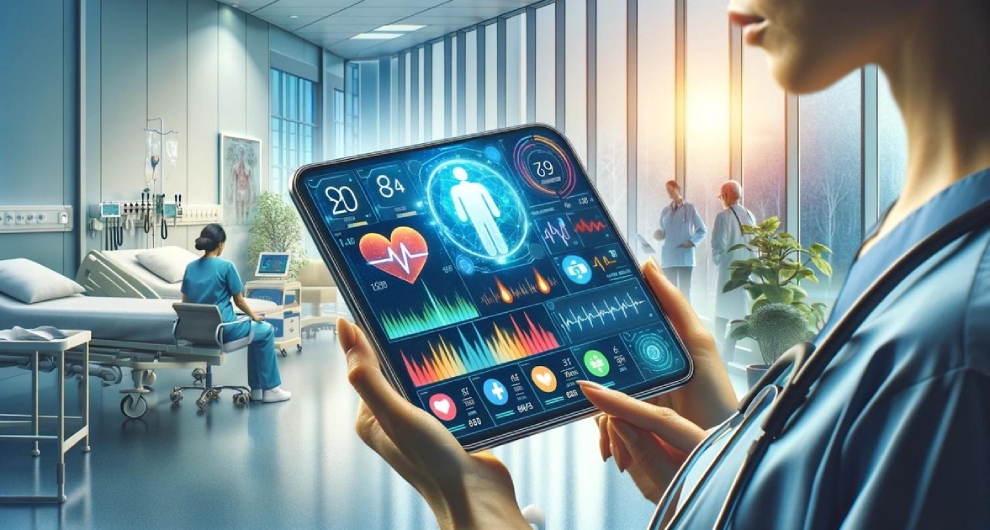
The true potential of AI-powered health monitoring devices is unlocked when they’re integrated with telehealth platforms. Remote patient monitoring (RPM) programs allow healthcare providers to remotely track a senior’s health data, identify potential problems, and intervene proactively. This is particularly beneficial for managing chronic conditions like heart failure, diabetes, and chronic obstructive pulmonary disease (COPD).
RPM programs can improve chronic disease management by providing personalized feedback, medication reminders, and virtual coaching. They can also reduce the need for frequent doctor’s visits, saving both time and money. The ability to identify potential problems before they become emergencies can significantly improve health outcomes and quality of life.
However, challenges remain in terms of data sharing and interoperability between different healthcare providers. Many electronic health record (EHR) systems are not yet equipped to seamlessly integrate data from wearable devices and home monitoring systems. This lack of interoperability can create silos of information and hinder effective care coordination.
Addressing these challenges requires industry-wide standards for data exchange and increased investment in interoperable healthcare IT infrastructure. The goal is to create a connected healthcare ecosystem where data flows freely and securely between patients, providers, and caregivers.
Cost and Coverage: Paying for Peace of Mind
The cost of AI-powered health monitoring devices and services can vary widely. Smartwatches range from $150 to $500+, while comprehensive home systems can cost $50 to $200 per month. These costs can be a significant barrier for many seniors, particularly those on fixed incomes.
Unfortunately, insurance coverage for these devices is still limited. While some Medicare Advantage plans may cover certain RPM programs, traditional Medicare generally does not cover the cost of smartwatches or home monitoring systems. However, documentation requirements for Durable Medical Equipment (DME) as outlined by CMS.gov (A55426) may offer pathways for reimbursement in certain circumstances.
It’s important to check with your insurance provider to determine what coverage is available. You may also be eligible for tax deductions or financial assistance programs. Some states offer programs to help seniors with the cost of assistive technology. Additionally, Health Savings Accounts (HSAs) can be used to pay for qualified medical expenses, including some health monitoring devices.
Be realistic about costs. The market is evolving, and coverage is expanding, but many of these devices and services are not yet fully covered by insurance. It’s important to factor these costs into your budget and explore all available options for financial assistance.
The Future of Senior Health Tech
Looking ahead to 2026 and beyond, the future of senior health tech is bright. We can expect to see even more sophisticated AI algorithms, more accurate sensors, and more user-friendly designs. AI-powered medication management systems will help seniors adhere to their medication schedules and avoid potentially dangerous drug interactions.
Personalized health recommendations, tailored to an individual’s specific health needs and risk factors, will become increasingly common. The integration of virtual reality (VR) for cognitive training will offer engaging and effective ways to maintain cognitive function. Imagine VR programs designed to stimulate memory, improve problem-solving skills, and reduce feelings of isolation.
The concept of ambient assisted living – environments that proactively adapt to the needs of seniors – is also gaining traction. Smart homes equipped with sensors, AI algorithms, and robotic assistants will provide a seamless and supportive living experience. These environments will anticipate needs, prevent falls, and promote independence.
Ultimately, the goal of senior health tech is to empower older adults to live longer, healthier, and more independent lives. By leveraging the power of AI and technology, we can create a future where seniors can age in place with dignity and grace. It’s not about replacing human care, but augmenting it, making it more efficient, more effective, and more personalized.
No comments yet. Be the first to share your thoughts!