


Why AI matters for senior independence
Aging in place is no longer just a preference; it is a necessity for millions of seniors who want to maintain their autonomy. Traditional safety measures, such as emergency pendants, are reactive. They only work after a fall has occurred. AI-driven devices change this dynamic by shifting care from reactive to proactive monitoring. These tools anticipate needs before they become crises, offering a layer of security that is both continuous and unobtrusive.
Beyond safety, the role of a seniors bot extends to combating loneliness, a critical health risk for older adults. Devices like ElliQ do more than track vitals; they initiate conversations, suggest gentle exercises, and facilitate video calls with family. By acting as a digital companion, these AI assistants provide the social interaction that many seniors lack, ensuring that aging in place is not only safe but also socially engaging and emotionally supportive.
10 AI-Powered Elderly Gadgets for Aging in Place in 2026
The right seniors bot transforms independent living by merging intuitive design with proactive safety features. These ten AI-powered gadgets prioritize ease of use, offering tangible protection and meaningful companionship for aging in place.
-
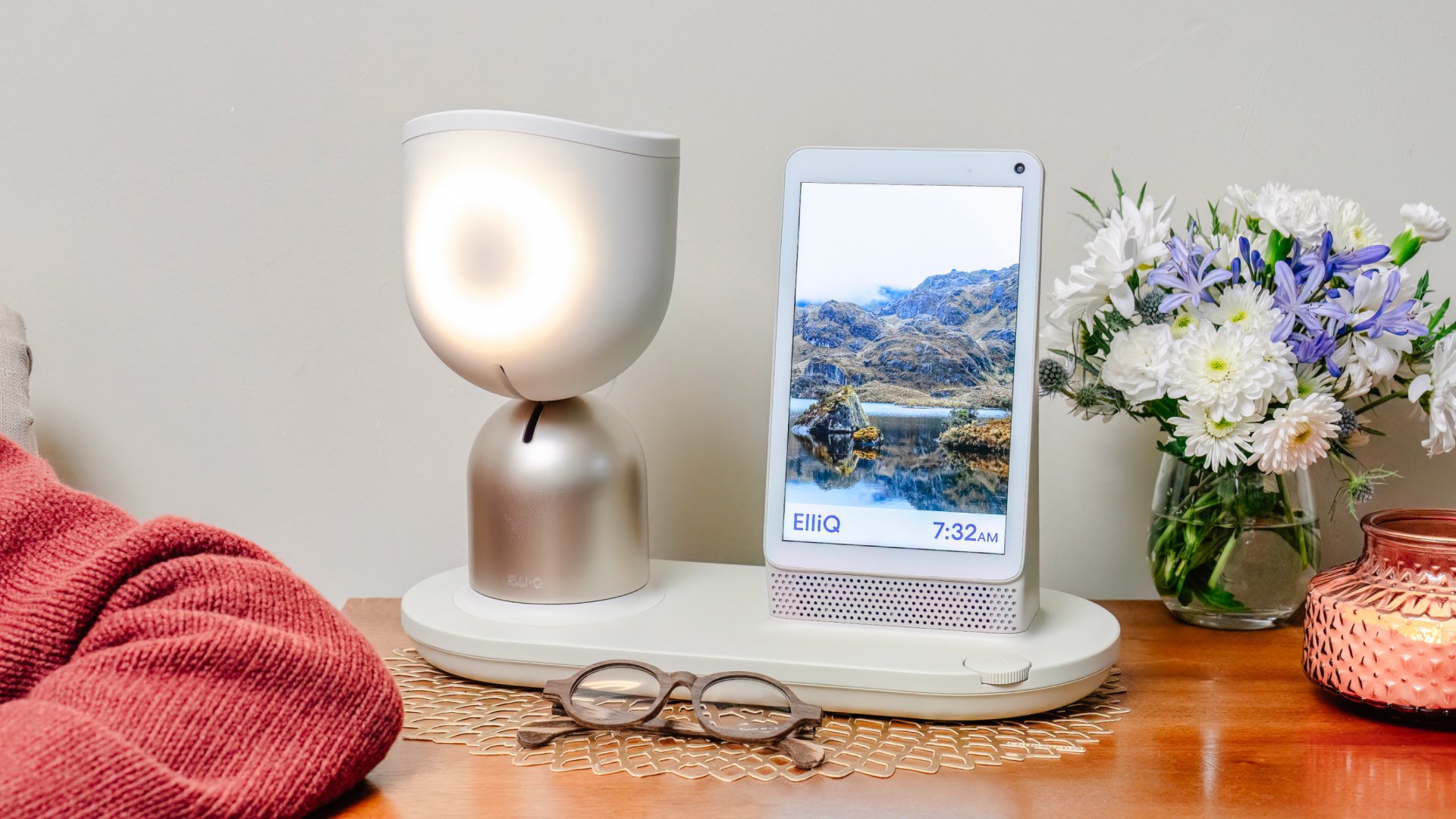
ElliQ proactive companion robot for daily engagement
ElliQ acts as a gentle, proactive partner for aging in place, initiating conversations rather than waiting for commands. This AI-driven device reminds users to take medication, suggests video calls with family, and engages in casual chat to combat isolation. Its intuitive interface respects privacy while keeping seniors connected, making it a cornerstone for any modern elderly care setup that values consistent, meaningful interaction. -
Navi social engagement robot for loneliness reduction
Navi tackles loneliness by offering a friendly, animated presence that encourages social interaction through shared activities. Designed specifically for seniors, it facilitates video connections with relatives and guides users through simple games or reminiscence therapy. By fostering emotional bonds and reducing feelings of isolation, Navi supports mental well-being, ensuring that a seniors bot enhances daily joy rather than just monitoring health metrics. -
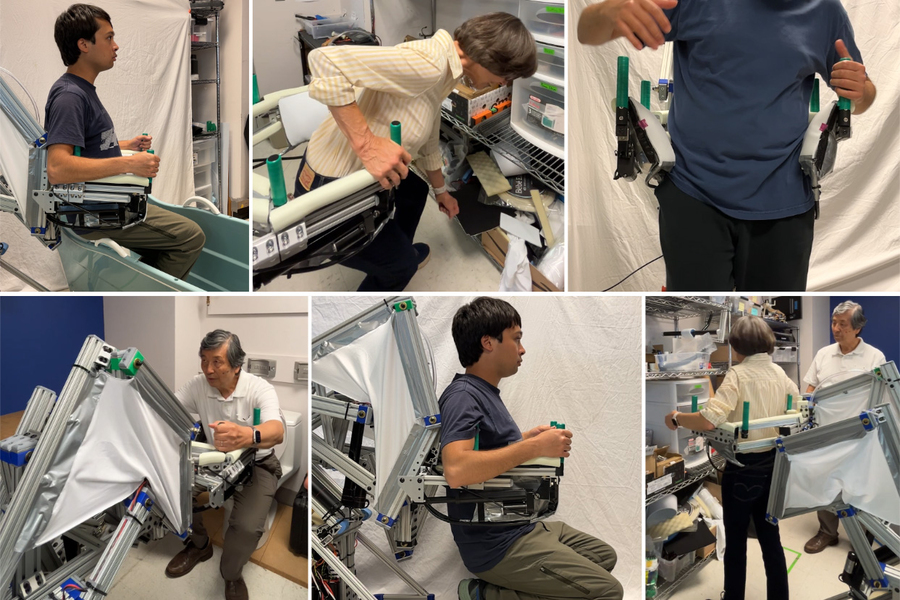
MIT fall-catch support robot for physical safety
Developed by MIT’s ElderCare Lab, this innovative robot focuses on physical security by assisting with mobility and preventing injuries. It helps users sit and stand safely from chairs and can catch them if they begin to fall, providing a critical safety net. This technology addresses the primary fear of aging independently, offering robust physical support that empowers seniors to move confidently within their homes without constant human supervision. -

SeniorTalk AI chat companion for cognitive stimulation
SeniorTalk serves as an intelligent conversational partner designed to keep the mind sharp through regular cognitive exercises. It engages users in tailored dialogues, memory games, and storytelling sessions that adapt to their cognitive level. By providing consistent mental stimulation, this AI companion helps slow cognitive decline, offering a digital yet deeply personal interaction that keeps the brain active and engaged throughout the day. -
.jpeg?w=1920&h=1080)
Enabot Ebo X mobile assistant for remote monitoring
The Enabot Ebo X is a mobile robot with a 4K camera that follows users around the home, enabling real-time remote monitoring. Family members can check in via smartphone, ensuring peace of mind without intrusive fixed cameras. Its autonomous navigation allows it to patrol rooms, making it an ideal tool for seniors who value independence while providing caregivers with flexible, on-demand visibility into their loved one’s daily activities and safety. -

Zora interactive companion robot for emotional connection
Zora serves as a gentle presence, using facial recognition and natural language processing to initiate conversations tailored to the user’s mood and history. This seniors bot remembers past stories and asks follow-up questions, creating a sense of continuity that reduces isolation. Its screen displays familiar photos and facilitates video calls with family, ensuring emotional bonds remain strong even when physical distance separates loved ones. -

Smart medication dispensers with AI for adherence
These devices automate pill management by locking compartments until the scheduled time, then sending alerts via sound and light. The AI learns daily routines and notifies caregivers if doses are missed, preventing dangerous drug interactions or skipped treatments. By simplifying complex regimens into a single, reliable interface, these dispensers provide peace of mind for both seniors and their families managing chronic health conditions. -
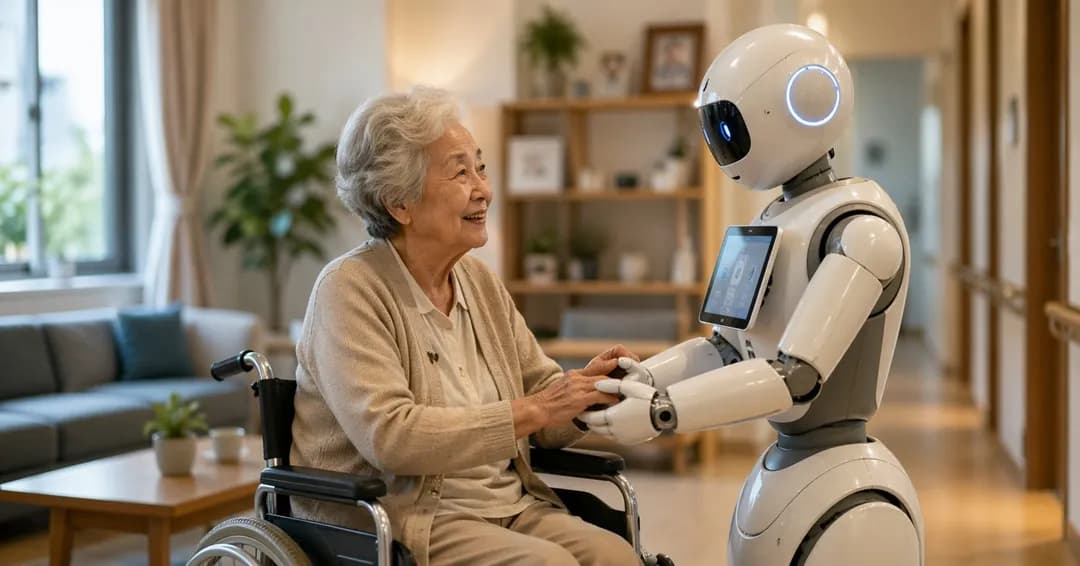
AI-powered home safety sensors for hazard detection
Unlike cameras, these discrete sensors analyze movement patterns and ambient sounds to detect falls, gas leaks, or unusual inactivity without invading privacy. The system distinguishes between normal daily activities and emergencies, triggering automatic alerts to emergency contacts or monitoring services. This invisible safety net allows seniors to navigate their homes confidently, knowing that immediate assistance is dispatched only when genuine risks are identified. -

Voice-controlled smart home hubs for accessibility
These hubs centralize control over lights, thermostats, and locks through simple voice commands, eliminating the need for physical switches or complex apps. For seniors with limited mobility or vision, this hands-free interface ensures they can adjust their environment comfortably. The AI understands varied accents and speech patterns, making daily tasks like setting reminders or playing music intuitive and accessible for users of all technical skill levels. -
Wearable health monitors with AI analytics
These sleek devices track vital signs like heart rate, blood oxygen, and sleep quality, using machine learning to identify subtle deviations from personal baselines. Instead of overwhelming users with raw data, the AI provides actionable insights, such as suggesting hydration or rest when stress levels rise. This proactive monitoring helps seniors and doctors manage health trends early, supporting longevity and reducing the frequency of unnecessary hospital visits.
Choosing the right senior bot for needs
Selecting an AI device for aging in place requires matching the technology to the specific gaps in care, whether that is physical safety, medication adherence, or social isolation. Not every "seniors bot" serves the same purpose. Some are designed as mobile safety monitors, while others act as stationary companions. Understanding these distinctions helps families avoid purchasing complex hardware that goes unused.
The following comparison highlights three distinct categories of AI devices currently available. Each serves a different primary function, ranging from physical support to emotional connection. Use this framework to identify which need is most urgent for your loved one.
Once you have identified the right category, consider the specific models that dominate the market. The following products represent the most accessible options for home use, focusing on ease of setup and practical benefits for older adults.



As an Amazon Associate, we may earn from qualifying purchases.
When evaluating these options, prioritize devices with simple interfaces. The best senior bot is one that an older adult can operate without constant technical assistance from family members. Look for features like voice activation or large, tactile buttons that reduce cognitive load. Avoid devices that require complex smartphone app configurations for every basic function.
Frequently asked questions about seniors bots
What is the best robot companion for seniors? ElliQ stands out as the leading choice for aging in place. Unlike passive devices, ElliQ proactively engages users to stay on track with medication reminders, health tracking, and gentle exercise suggestions. It also facilitates social connection by making it easy to share photos and messages with family, while offering community activities like virtual bingo and tours to reduce isolation.
Can AI bots help with daily safety and health monitoring? Yes, modern AI companions act as a layer of safety without being intrusive. They monitor vital signs and medication adherence, alerting caregivers only when necessary. This proactive approach allows older adults to maintain independence while ensuring that health issues are caught early, providing peace of mind for both the senior and their loved ones.
Are these devices difficult for older adults to learn? The best AI gadgets are designed with simplicity in mind, requiring no technical expertise. Most feature voice-first interfaces that respond naturally to conversation, eliminating the need for complex menus or touchscreens. This intuitive design ensures that seniors can start using their new companion immediately, focusing on interaction rather than troubleshooting.
Do these robots replace human caregivers? AI companions are designed to support, not replace, human care. They handle routine check-ins, reminders, and basic engagement, freeing up human caregivers to focus on complex medical needs and emotional support. This hybrid model enhances the quality of care by ensuring seniors have constant companionship between scheduled visits.
No comments yet. Be the first to share your thoughts!