

From reactive pendants to proactive watches
My grandmother, Edith, lived alone and was fiercely independent. A fall in her kitchen a few years ago changed everything. Thankfully, she was wearing a simple medical alert pendant and help arrived quickly, but the incident rattled her – and our whole family. These days, that pendant feels like a relic. We’re entering an era where health monitoring isn’t just about reacting to emergencies, it’s about preventing them.
For decades, medical alert systems have offered a basic service: a way to call for help when someone falls or has a medical event. Now, artificial intelligence is dramatically reshaping these devices. We’re seeing a shift from passive alerting to proactive health monitoring, all packed into smart watches and wearable sensors. This isn’t just about faster response times; it’s about a new level of peace of mind for seniors and their families.
The year 2026 feels like a turning point. Advancements in sensor technology, coupled with increasingly sophisticated AI algorithms, are converging to create truly intelligent health monitoring devices. These aren’t just gadgets; they are potential lifesavers. The core benefit isn’t just getting help after something happens, but gaining insights into health trends that could prevent problems from occurring in the first place.
Stopping falls before they happen
Fall detection has been a feature of medical alert devices for some time, but early systems were often unreliable. They relied on simple accelerometers to detect sudden changes in motion. Unfortunately, these systems frequently generated false positives – alerting emergency services when someone simply sat down quickly or tripped slightly. They also struggled to detect falls where the impact wasn’t significant, like a slow slide to the floor.
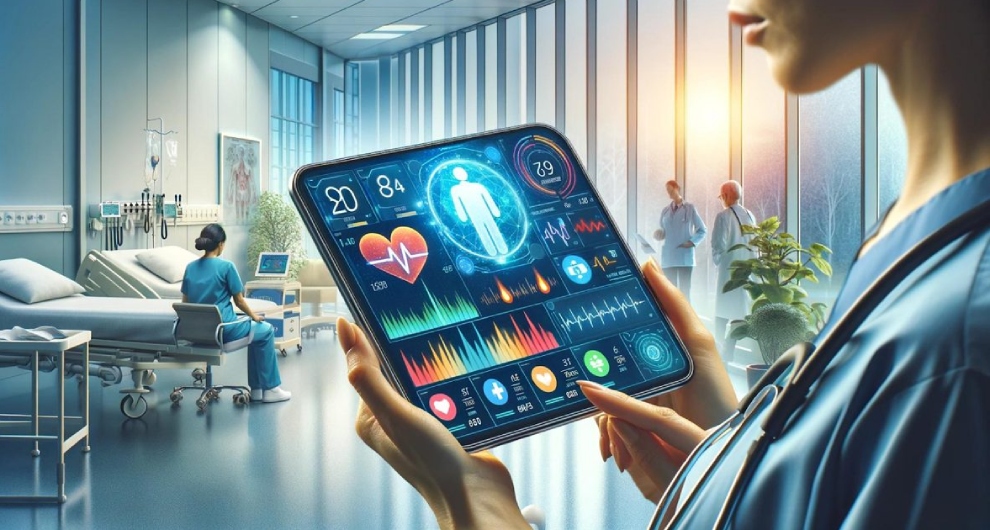
AI is dramatically improving fall detection accuracy. Machine learning algorithms can now analyze a much wider range of movement patterns, taking into account factors like gait, balance, and posture. This allows the device to predict a fall before it happens, based on subtle changes in a person’s movement. More importantly, AI can differentiate between a genuine fall and a less serious stumble, reducing false alarms. A device can learn what is normal for an individual, and flag deviations from that norm.
Research at MIT is pushing the boundaries of fall prevention. Their Eldercare robot, as reported by MIT News, assists people with sitting and standing, and importantly, catches them if they begin to fall. While a robot isn’t practical for everyone, the principles behind its fall detection and prevention system are being applied to wearable devices. These devices are often categorized as Durable Medical Equipment (DME), and according to CMS documentation requirements, claims submitted for these devices must meet specific standards.
The goal is to move beyond simply reacting to falls and towards actively preventing them, giving seniors more confidence and independence. Improved fall detection means fewer unnecessary emergency calls and a more reliable safety net.
Tracking heart health at home
AI-powered wearables are offering a new level of heart health monitoring for seniors, moving far beyond basic heart rate tracking. Many devices now include electrocardiogram (ECG) monitoring capabilities, allowing them to detect irregular heart rhythms like atrial fibrillation – a major risk factor for stroke. This is a significant step up from simply counting beats per minute.
The real power comes from the AI algorithms that analyze this data. These algorithms can identify subtle changes in heart rate variability, ECG patterns, and other physiological signals that might indicate an underlying problem. They can detect arrhythmias that might be missed during a routine doctor's visit. A proactive alert can be sent to both the wearer and their physician.
It’s important to be clear: these devices are not designed to diagnose heart conditions. They are designed to monitor heart health and alert users and their doctors to potential issues that require further evaluation. They provide continuous, personalized insights that can help seniors and their healthcare providers make more informed decisions. The continuous data stream offers a much more complete picture than infrequent checkups.
Cognitive Monitoring: Subtle Changes, Early Signals
One of the most exciting – and potentially sensitive – areas of AI-powered health monitoring is cognitive assessment. AI algorithms can analyze speech patterns, activity levels, and sleep data to detect subtle signs of cognitive decline. Changes in word choice, sentence structure, or even the speed of speech can be early indicators of problems.
Similarly, a decrease in physical activity or changes in sleep patterns can also signal cognitive issues. The goal isn’t to diagnose dementia, but to identify subtle changes that might warrant further evaluation by a medical professional. Early detection is crucial for managing cognitive decline and maximizing quality of life.
However, cognitive monitoring raises important privacy concerns. The collection and analysis of this type of data require careful consideration of data security and user consent. It's vital that users understand how their data is being used and have control over their privacy settings. This technology is promising, but requires a responsible and ethical approach.
Top AI-Powered Wearables for 2026
The market is rapidly evolving, but several devices stand out for their AI-powered health monitoring capabilities. Here are a few that I’m watching closely:
Apple Watch Series 10 (Expected 2026): Apple continues to improve its health features. Expect enhanced fall detection, more accurate ECG monitoring, and potentially, early cognitive decline detection through subtle analysis of speech and activity. Its seamless integration with the Apple Health ecosystem is a major advantage. However, it requires an iPhone for full functionality.
Fitbit Sense 3: Building on the Sense 2, the Sense 3 is expected to feature even more advanced sensors and AI algorithms for heart health monitoring, including improved arrhythmia detection and stress management features. It’s known for its comfortable design and long battery life. A potential drawback is the reliance on a subscription for some features.
Samsung Galaxy Watch 7: Samsung’s latest offering is expected to deliver robust health tracking, including ECG, blood pressure monitoring, and advanced sleep analysis. The integration of AI will likely focus on personalized health insights and proactive alerts. It’s compatible with both Android and iOS, offering broader accessibility.
Biofourmis Biovitals Sentinel: This device goes beyond basic monitoring, offering a more comprehensive health assessment through continuous physiological data collection and AI-powered analytics. It's geared towards individuals with chronic conditions and requires a physician's prescription. It is a medical-grade device and will likely come at a higher price point.
Vayusek Harpa: Designed specifically for seniors, the Harpa focuses on proactive fall prevention and early detection of health issues. It incorporates AI-powered gait analysis and balance monitoring. The Harpa prioritizes simplicity and ease of use, making it a good option for those less comfortable with technology.
KardiaMobile 6L: While not a smartwatch, this portable ECG device connects to your smartphone and provides medical-grade ECG readings. AI algorithms analyze the data to detect arrhythmias. It’s a good option for individuals who want a dedicated ECG monitor without the added features of a smartwatch.
Featured Products
![Apple Watch Series 9 [GPS 41mm] Smartwatch with Midnight Aluminum Case with Midnight Sport Loop. Fitness Tracker, Blood Oxygen & ECG Apps, Always-On Retina Display, Carbon Neutral Carbon Neutral Certified by SCS Global Services](https://m.media-amazon.com/images/I/81q7NndDVuL._AC_UY654_QL65_.jpg)
Blood Oxygen and ECG Apps · Always-On Retina Display · Fall Detection (via Series 4 and later)
The Apple Watch Series 9 offers comprehensive health monitoring, including ECG and blood oxygen tracking, alongside fall and crash detection, making it a robust safety tool for seniors.

ECG App for heart rhythm assessment · SpO2 (Blood Oxygen) monitoring · Stress management tools
Fitbit Sense 2 provides detailed insights into stress and sleep patterns, with ECG and SpO2 monitoring, to help seniors proactively manage their well-being.

All-day health monitoring (heart rate, SpO2, respiration) · Body Battery™ energy monitoring · Sleep Score and advanced sleep monitoring
The Garmin vívosmart 5 focuses on essential health metrics like heart rate and SpO2 with a user-friendly interface and extended battery life, ideal for consistent monitoring.

Personalized Heart Rate Zones · Advanced Sleep Coaching · Body Composition Analysis (BIA Sensor)
The SAMSUNG Galaxy Watch 6 offers advanced fitness and sleep coaching, alongside body composition analysis and heart monitoring, supporting a holistic approach to senior health.

ECG and heart rate monitoring · SpO2 (Blood Oxygen) tracking · Sleep Cycle analysis
Withings ScanWatch 2 combines classic watch aesthetics with advanced health tracking, including ECG and SpO2, and boasts an exceptional battery life for continuous monitoring.
As an Amazon Associate I earn from qualifying purchases. Prices may vary.
What to check before buying
The effectiveness of any AI-powered health monitoring device relies on reliable connectivity. Cellular connectivity ensures that the device can communicate with emergency services even when a smartphone isn’t nearby. Wi-Fi connectivity allows for data synchronization and remote monitoring by family caregivers. A strong and stable connection is essential.
Equally important is the availability of 24/7 support services. In the event of an emergency, it’s crucial to have access to trained professionals who can provide assistance. Many devices integrate with existing emergency response systems and offer remote monitoring capabilities for family members. User-friendly interfaces and clear instructions are also vital, especially for seniors who may not be tech-savvy.
Before purchasing a device, consider how easily it integrates with existing healthcare infrastructure and how accessible the customer support is. A device that’s difficult to use or doesn’t offer reliable support will quickly become a source of frustration rather than a source of peace of mind.
No comments yet. Be the first to share your thoughts!