
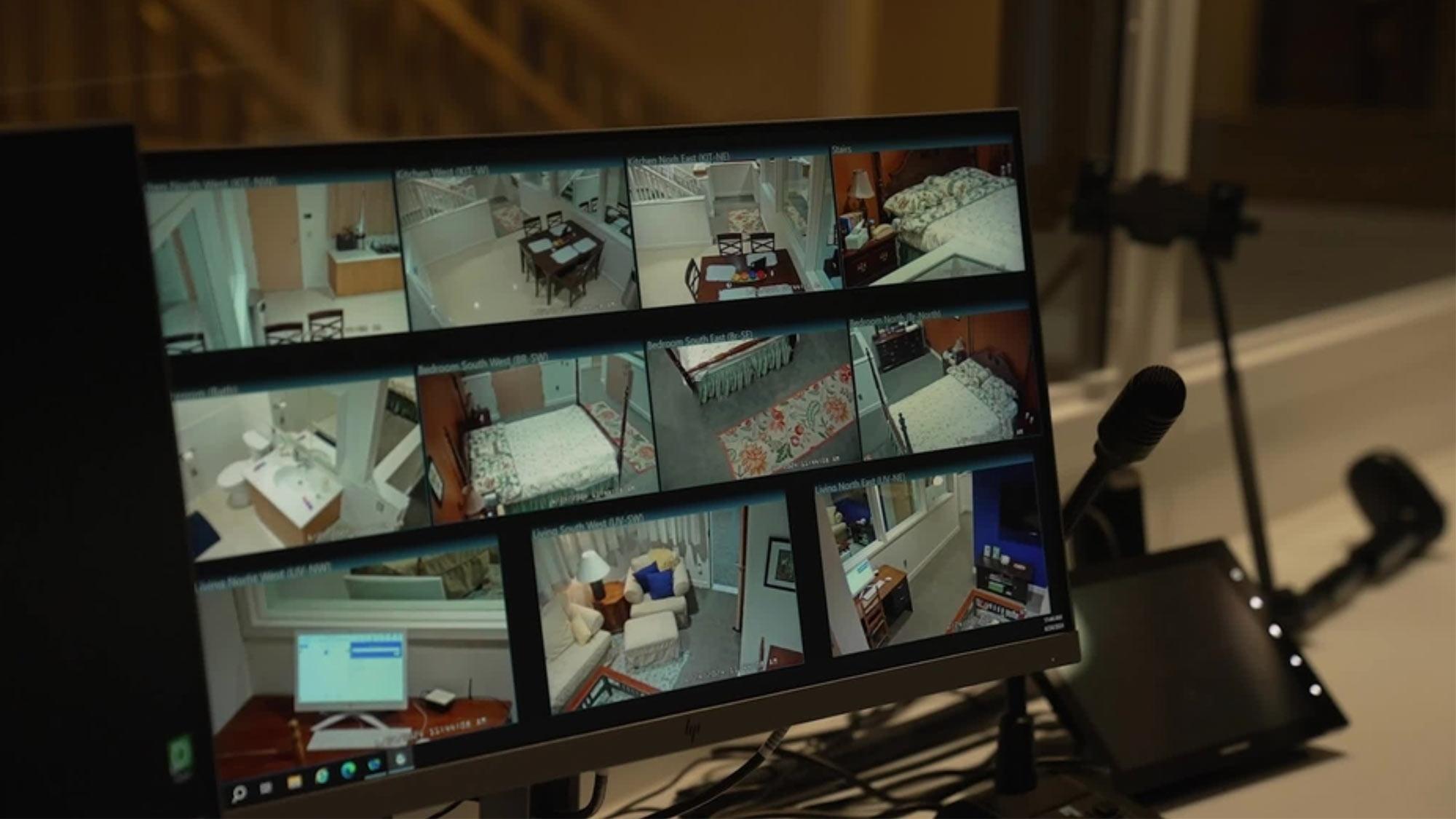

10 Best Smart Home Assistive Devices for Aging in Place in 2026
Navigating the 2026 market for smart home assistive devices requires focusing on specific, reliable tools that prioritize safety and independence. The following selection highlights concrete products designed to support aging in place, ensuring each recommendation delivers measurable value for daily living.
1. Ring Video Doorbell Pro 2
The Ring Video Doorbell Pro 2 acts as a digital front porch guard, offering 1536p HD video and 3D motion detection to identify visitors clearly. Its built-in Alexa Greetings let users speak to guests remotely, providing peace of mind without needing to open the door. This concrete security layer enhances independence by verifying who is at the entrance before interaction.

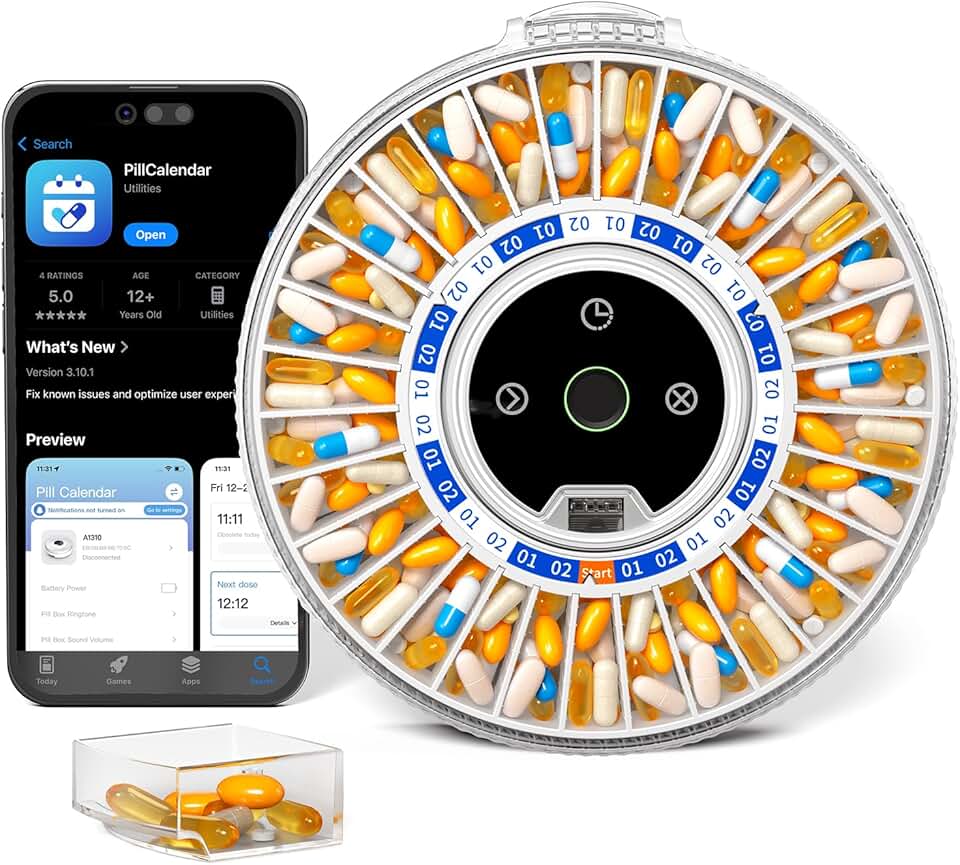
2. Hero Health Automated Pill Dispenser
Hero Health transforms medication management from a daily chore into an automated routine. This sleek device dispenses the correct pills at scheduled times and sends alerts to caregivers if doses are missed. By eliminating guesswork and ensuring adherence, it supports cognitive health and reduces the anxiety associated with forgetting essential prescriptions.

3. Amazon Echo Show 10
The Amazon Echo Show 10 combines a large screen with a motorized base that follows users as they move through a room. This hands-free video calling and visual reminder system allows seniors to stay connected with family and access calendar alerts without searching for their phone, bridging the digital divide.

4. LifeAlert Mobile Plus System
LifeAlert Mobile Plus provides wearable emergency response that works anywhere, not just at home. Its compact design allows users to press a button to instantly connect with trained agents, ensuring help arrives regardless of location. This mobility-focused safety net empowers individuals to maintain their active lifestyles with confidence and reduced fear of falls.

5. Philips Hue White and Color Ambiance
Philips Hue bulbs adapt lighting to circadian rhythms, offering warm whites for evening relaxation and bright light for daytime alertness. This smart lighting system can be scheduled to turn on automatically at dusk, reducing tripping hazards and creating a comforting atmosphere. It enhances safety and mood through intelligent, customizable illumination.

6. Ecobee SmartThermostat with Voice Control
The Ecobee SmartThermostat acts as a silent guardian for comfort and safety, adjusting temperatures to prevent heat-related risks for seniors. Its built-in voice control allows users to ask about weather or set schedules without touching a screen, reducing physical strain while maintaining an ideal living environment.

7. Wemo WiFi Water Leak Detector
Water damage can be catastrophic and difficult to manage alone. The Wemo WiFi Water Leak Detector provides immediate alerts to your phone when moisture is detected, helping prevent slips from puddles and costly structural damage. This small device offers peace of mind by monitoring basements and bathrooms automatically.

8. GrandPad Senior Tablet
Complex interfaces often isolate older adults, but the GrandPad tablet bridges that digital divide with a simplified, secure design. It features large icons, a dedicated customer support line, and pre-loaded apps for video calls and photos. This device reduces tech frustration, keeping seniors connected to family without the confusion of standard tablets.

9. August Wi-Fi Smart Lock
Forgetting keys or struggling with traditional locks can be a significant safety hazard. The August Wi-Fi Smart Lock allows entry via smartphone or voice command, eliminating the need to fumble with keys. It also provides a digital log of who enters and exits, offering family members valuable peace of mind regarding home access.

10. Litter-Robot 4 Self-Cleaning Litter Box
Maintaining a pet litter box can be physically demanding and unpleasant for seniors with mobility issues. The Litter-Robot 4 automates waste removal, ensuring a hygienic environment without manual scooping. This self-cleaning unit reduces exposure to odors and bacteria, making pet care safer and more manageable for aging homeowners.

Smart tech for independent living
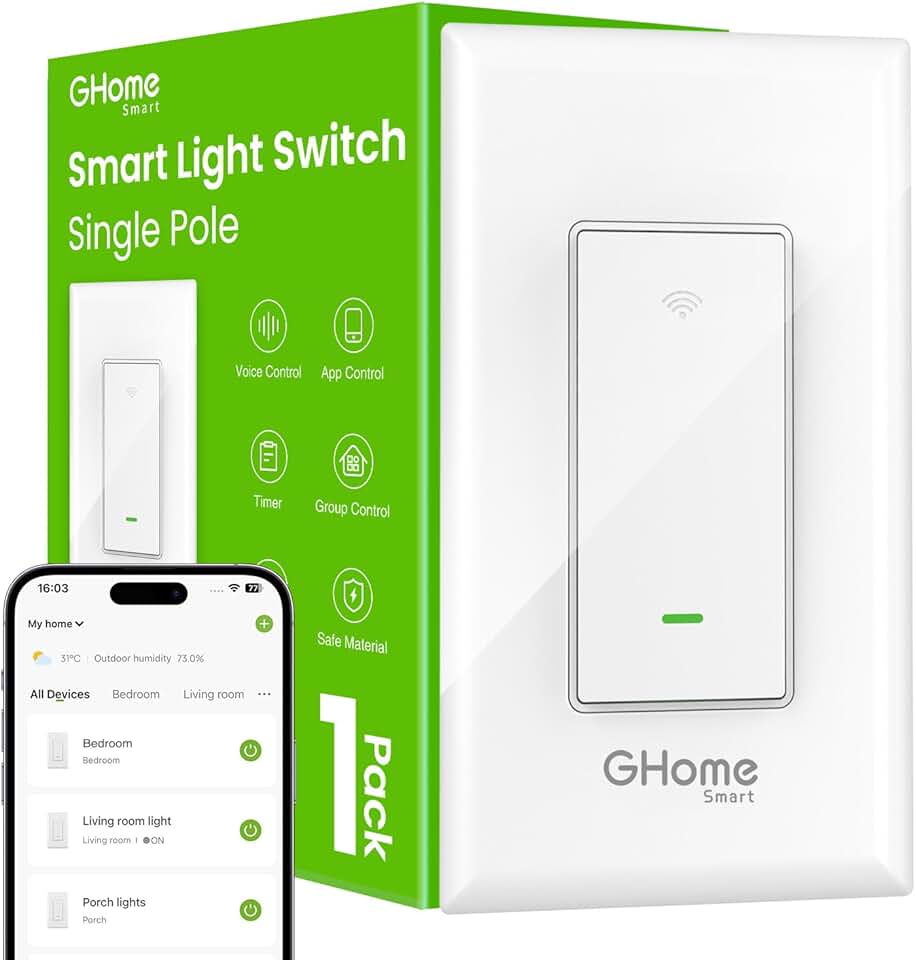
Aging in place means staying in your own home as long as possible. For many seniors, this isn't just a preference—it's a way to maintain dignity and routine. Smart home assistive devices make this possible by turning ordinary houses into supportive environments. These tools handle safety, health, and daily tasks so you can focus on living.
The right technology acts like a silent caregiver. It doesn't replace family or professional care; it fills the gaps. A smart pill dispenser reminds you when to take medication. Motion sensors detect falls and alert emergency contacts. Video doorbells let you see who is at the door without getting up. Each device solves a specific problem, reducing anxiety for both seniors and their families.
Consider the difference between a standard home and a smart-enabled one. In a regular house, you must remember to lock doors, check the stove, or take pills. In a smart home, these tasks happen automatically or with a simple voice command. This shift from active management to passive support is what makes aging in place safe and sustainable.

As an Amazon Associate, we may earn from qualifying purchases.
These devices work together to create a safety net. They don't require you to change your lifestyle. Instead, they adapt to your habits, making your home more responsive to your needs. This is the foundation of modern assistive living: technology that serves you, not the other way around.
Choosing the right assistive tech
Selecting smart home assistive devices for aging in place requires matching specific hardware to distinct physical or cognitive needs. Rather than buying a generic ecosystem, focus on tools that solve immediate friction points, such as mobility limitations, memory lapses, or safety risks.
Mobility and Safety For users with balance issues, automated lighting and voice-controlled locks reduce the risk of falls and lockouts. Devices like the Philips Hue Starter Kit provide motion-activated illumination, while August Smart Lock allows entry without fumbling for keys. These tools create a passive safety net that adapts to the user's physical rhythm.
Cognition and Daily Routines Memory support relies on external cues. Smart speakers like the Amazon Echo Show serve as visual and auditory reminders for medication and appointments. For users who wander, GPS trackers such as the Apple AirTag (when paired with an iPhone) or dedicated medical alert pendants provide peace of mind for both the user and their family.
Ease of Use Prioritize devices with minimal setup and voice or one-touch activation. If a device requires complex app configuration or small screens, it will likely be abandoned. Look for products that integrate seamlessly with existing habits, such as using voice commands to control lights or thermostats.
| Need | Example Device | Primary Benefit |
|---|---|---|
| Mobility | August Smart Lock | Keyless entry |
| Safety | Philips Hue Lights | Motion-activated night light |
| Cognition | Amazon Echo Show | Voice reminders |
| Monitoring | Apple AirTag | Location tracking |
No comments yet. Be the first to share your thoughts!