

Why AI matters for senior safety
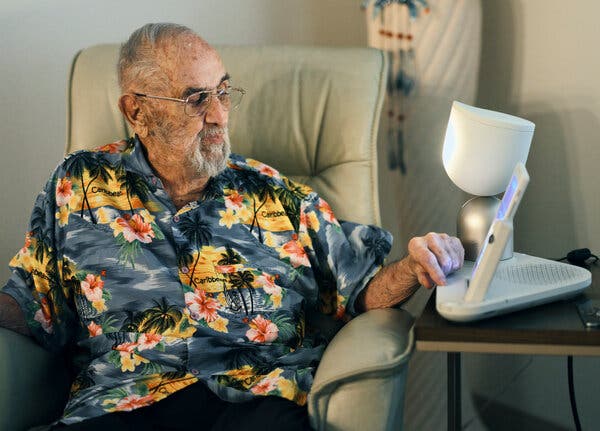
Traditional home safety devices operate on a reactive model: they wait for an accident to happen before sounding an alarm. This approach often leaves seniors vulnerable during the critical minutes following a fall or a medical episode. AI health monitors shift this paradigm by moving from passive recording to proactive observation. These systems use machine learning to establish a baseline of daily behavior, allowing them to distinguish between normal activity and potential distress.
For seniors aging in place, this distinction is vital for maintaining independence. Instead of relying on a pull-cord or a shouted plea for help, AI sensors analyze movement data to identify irregularities. For example, if a senior’s walking speed slows down or their routine deviates significantly from the norm, the system can alert family members or caregivers before a situation becomes critical. This technology supports dignity by reducing the need for constant human oversight while ensuring that help is available when needed most.
The goal is not to replace human care but to augment it with reliable, continuous monitoring. By integrating these smart tools into the home environment, families can create a safety net that adapts to the changing needs of aging adults. This proactive stance helps seniors stay in their own homes longer, providing peace of mind for both the individual and their loved ones.
5 AI Health Monitors to Support Aging in Place
Aging in place is a priority for many seniors, and the right technology can make it safer and more independent. These five senior-friendly products use artificial intelligence to monitor vital signs and detect falls, offering peace of mind for both users and their families.
-
Amazon Echo Show 8 for video check-ins
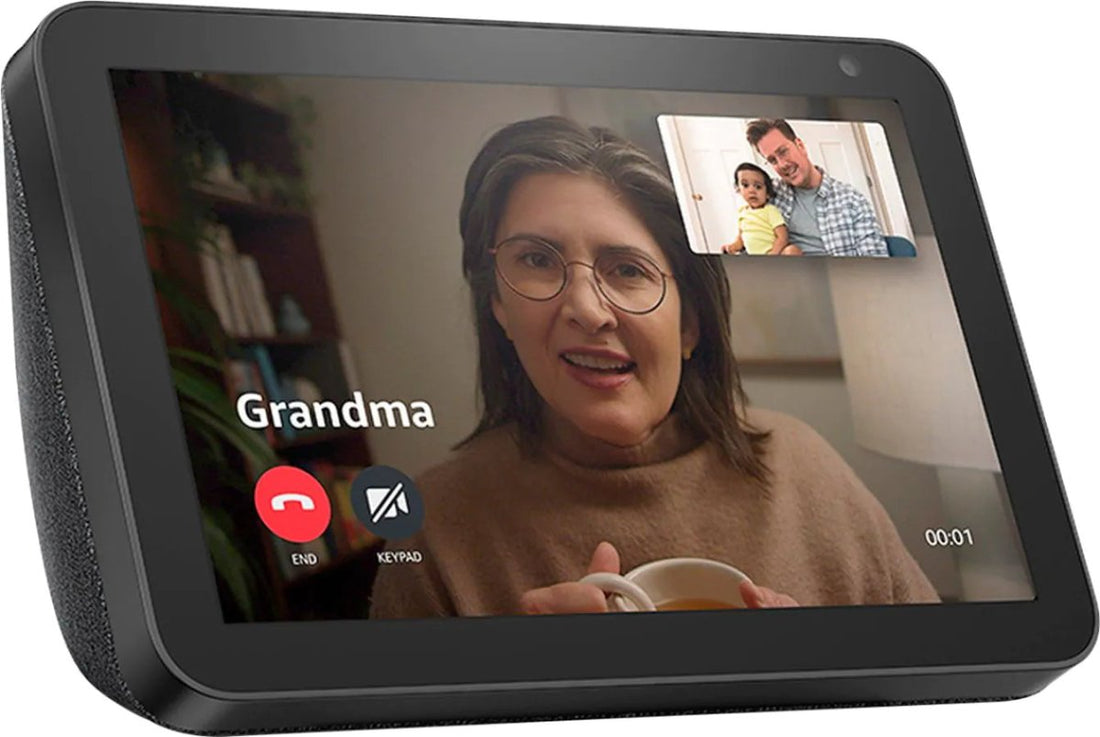
The Echo Show 8 serves as a digital lifeline, allowing seniors to initiate hands-free video calls with family and caregivers. Its large, clear display simplifies interaction, reducing the friction often associated with traditional smartphones. This senior-friendly product enables spontaneous check-ins, fostering connection and providing immediate peace of mind for loved ones monitoring their relative’s well-being from a distance. -

Withings ScanWatch for heart and sleep tracking
This hybrid smartwatch blends classic aesthetics with advanced health monitoring, tracking heart rate, sleep quality, and blood oxygen levels. It provides actionable insights without the overwhelming complexity of full-screen smartwatches. By continuously monitoring vital signs, the ScanWatch helps seniors and their doctors detect potential health issues early, supporting proactive management of chronic conditions while maintaining a dignified, professional appearance on the wrist. -
Apple Watch Series 9 for fall detection
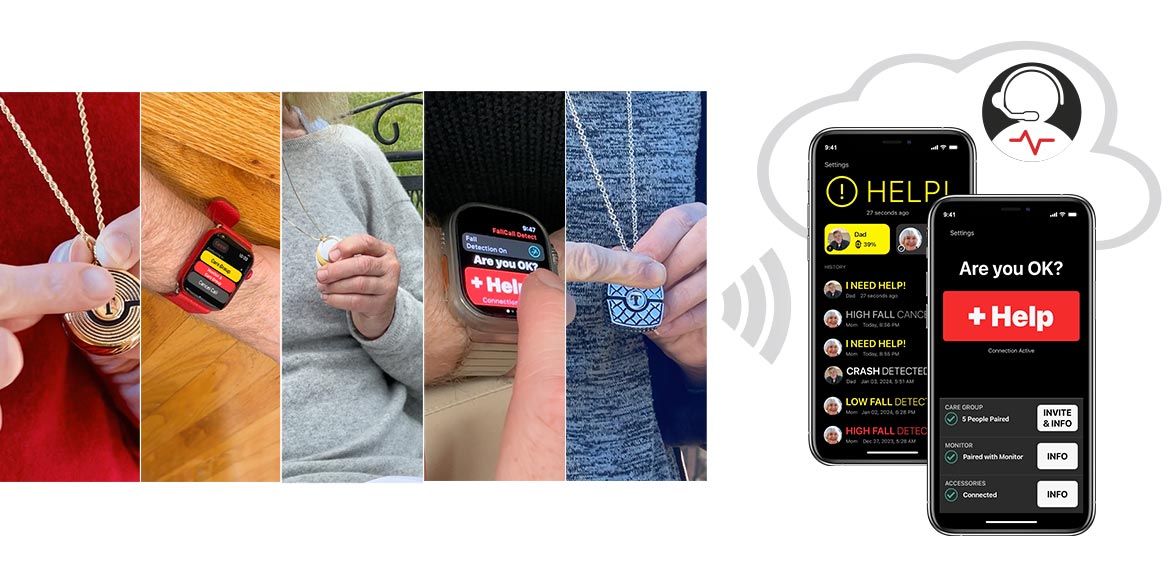
The Apple Watch Series 9 features sophisticated fall detection algorithms that automatically contact emergency services if a hard fall is detected. This safety net is crucial for seniors living alone, ensuring rapid assistance during accidents. The device’s intuitive interface and long battery life make it a practical companion, empowering users to maintain independence while knowing that critical help is just a tap away if needed. -

Philips Hue smart lights for night safety
Philips Hue smart lights illuminate pathways automatically, reducing the risk of trips and falls during nighttime bathroom visits. Seniors can set schedules or use voice commands to adjust brightness, creating a safe, welcoming environment without fumbling for switches. This senior-friendly product enhances mobility and confidence, ensuring that navigating the home in the dark is no longer a source of anxiety or danger for aging individuals. -

August Smart Lock for secure remote access
The August Smart Lock allows seniors to lock and unlock doors remotely via smartphone, eliminating the need to carry physical keys. Family members can grant temporary access to caregivers or visitors, enhancing security and convenience. This device simplifies daily routines and reduces the stress of lost keys, offering a reliable, modern solution for maintaining home safety and autonomy while keeping the door accessible to trusted support networks.
How to choose the right device
Selecting a health monitor is less about finding the most advanced technology and more about finding the right fit for your daily routine. Senior-friendly products should prioritize ease of use over feature density. A device that is too complicated will likely end up in a drawer, defeating its purpose. Focus on three main factors: your mobility level, your comfort with technology, and the specific health metrics you need to track.
Start by assessing your mobility. If you have limited dexterity or vision, look for devices with large buttons, high-contrast screens, or voice-activated features. For those who prefer minimal interaction, passive monitoring devices that alert caregivers automatically are often better choices than active apps requiring daily input. Tech comfort is equally important; if you are not comfortable with smartphones, choose a standalone unit with a cellular connection rather than a Bluetooth accessory that requires a paired phone.
Finally, define your health priorities. Do you need to track blood pressure, heart rhythm, or simply fall detection? Matching the device to your specific medical needs ensures you are not paying for unnecessary features. The table below compares five top-rated options based on battery life, setup complexity, and alert types to help you make an informed decision.
| Product | Battery Life | Setup Complexity | Alert Types |
|---|---|---|---|
| Lively Watch | 24 hours | Moderate | Fall, location, medication |
| Philips Lifeline | N/A (landline/cellular) | Easy | Manual, automatic fall |
| Apple Watch (with care settings) | 18 hours | Moderate-Hard | Heart rate, fall, ECG |
| GrandCare System | N/A (home-based) | Professional install | Activity, inactivity, water |
| BioTel Heart | N/A (wearable) | Easy | Manual, automatic fall |
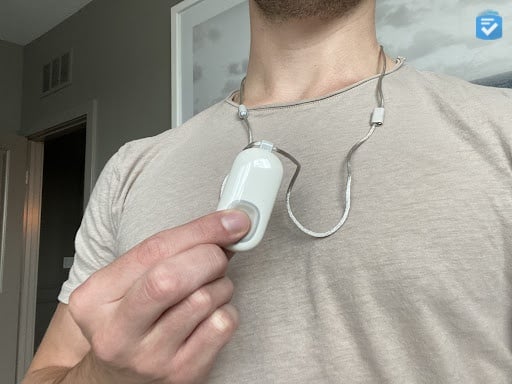
To help you visualize these options, here are some of the most popular choices available for purchase. These products are selected based on their reputation for reliability and user satisfaction among older adults.

![Apple Watch Series 11 [GPS 42mm] Smartwatch with Rose Gold Aluminum Case with Light Blush Sport Band - S/M. Sleep Score, Fitness Tracker, Health Monitoring, Always-On Display, Water Resistant](https://m.media-amazon.com/images/I/6110Jv9wqeL._AC_UY654_QL65_.jpg)
As an Amazon Associate, we may earn from qualifying purchases.
When making your final choice, consider who will be using the device and who needs to receive the alerts. Some systems send notifications only to a designated family member, while others connect to a professional monitoring center. Ensuring that the alert recipients are available and responsive is just as critical as the device itself.
No comments yet. Be the first to share your thoughts!