

The high cost of pill confusion
Imagine this: your mother, a usually sharp woman, is staring at a handful of pills, unsure which one to take and when. This is a reality for millions of seniors and their families. Managing multiple medications – a situation known as polypharmacy – becomes incredibly difficult. Taking five or more medications is surprisingly common; studies show over 40% of Americans aged 65 and older fall into this category.
The risks associated with medication errors are significant. Incorrect dosages, missed pills, or dangerous drug interactions can lead to hospitalizations, diminished quality of life, and even death. But beyond the physical dangers, there's an emotional toll. Seniors may feel overwhelmed, anxious, and lose confidence in their ability to care for themselves. Caregivers, often family members, experience stress and worry trying to ensure their loved one stays on track.
Forgetfulness is rarely the only culprit. Vision loss makes reading tiny labels impossible, and cognitive shifts make complex schedules feel like a puzzle with missing pieces. We need tools that do more than beep; we need systems that actually offload the mental burden of staying alive.
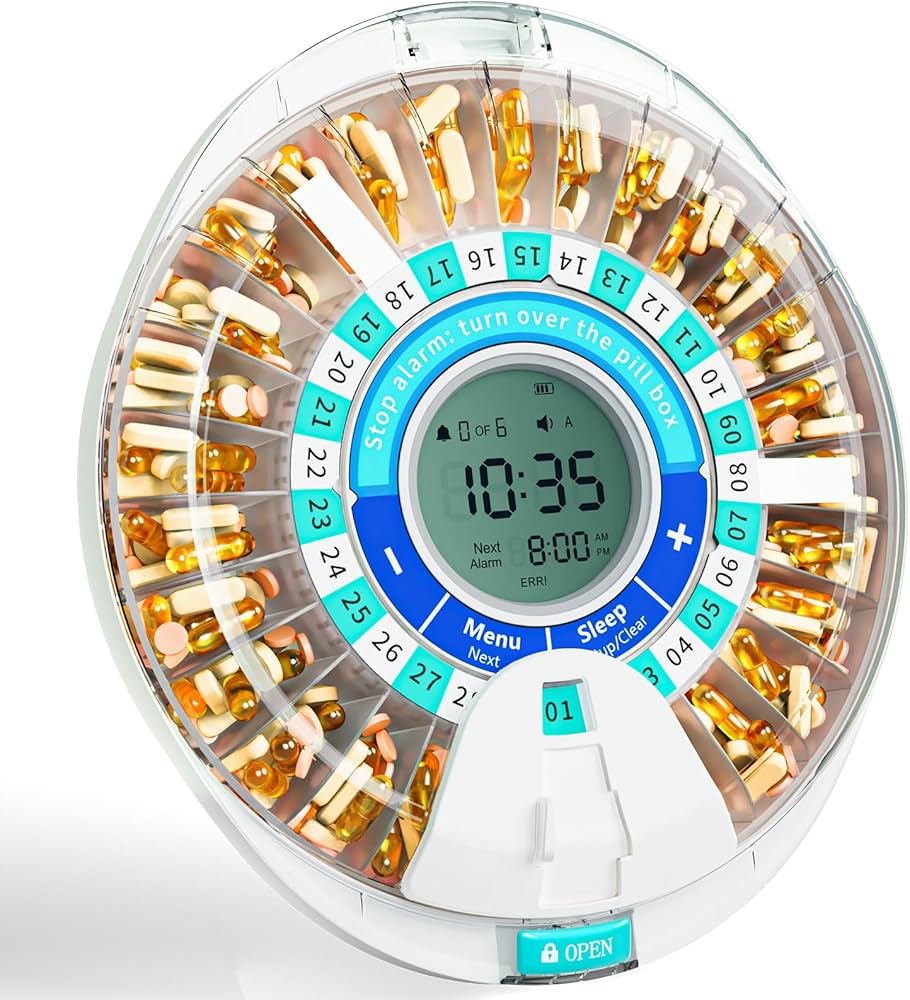
Automatic dispensers and hardware
Digital pill dispensers aim to automate the medication process, reducing the risk of errors and providing peace of mind. At their most basic, these devices are timed containers that release the correct pills at pre-programmed intervals. They’re a step up from traditional pillboxes, which rely entirely on manual sorting and remembering. More advanced dispensers connect to the internet, offering a range of features.
Connected dispensers can alert caregivers if a dose is missed, allowing for timely intervention. Some even allow remote programming and monitoring, so family members can adjust schedules or check adherence from anywhere. Tamper-resistance is a key feature to look for, preventing accidental or intentional access to medications. Battery backup is equally important, ensuring the dispenser continues to function during power outages. A good dispenser should be reliable, even when the power is out.
A basic timed box costs between $50 and $100. If you want cellular connectivity so a daughter in another state gets an alert when a dose is missed, expect to pay $300 upfront plus monthly fees. For someone on two pills a day, the $300 investment is overkill. For a patient managing ten medications including blood thinners, that cost is a fraction of a single ER visit.
- Hero: A $350 countertop unit that sorts pills into individual doses and uses a cellular connection to nag you (and your family) if you forget.
- PillPack by Amazon Pharmacy: Integrates with prescription delivery (price varies)
- MedMinder: Focuses on adherence monitoring and caregiver alerts (subscription-based)
Featured Products
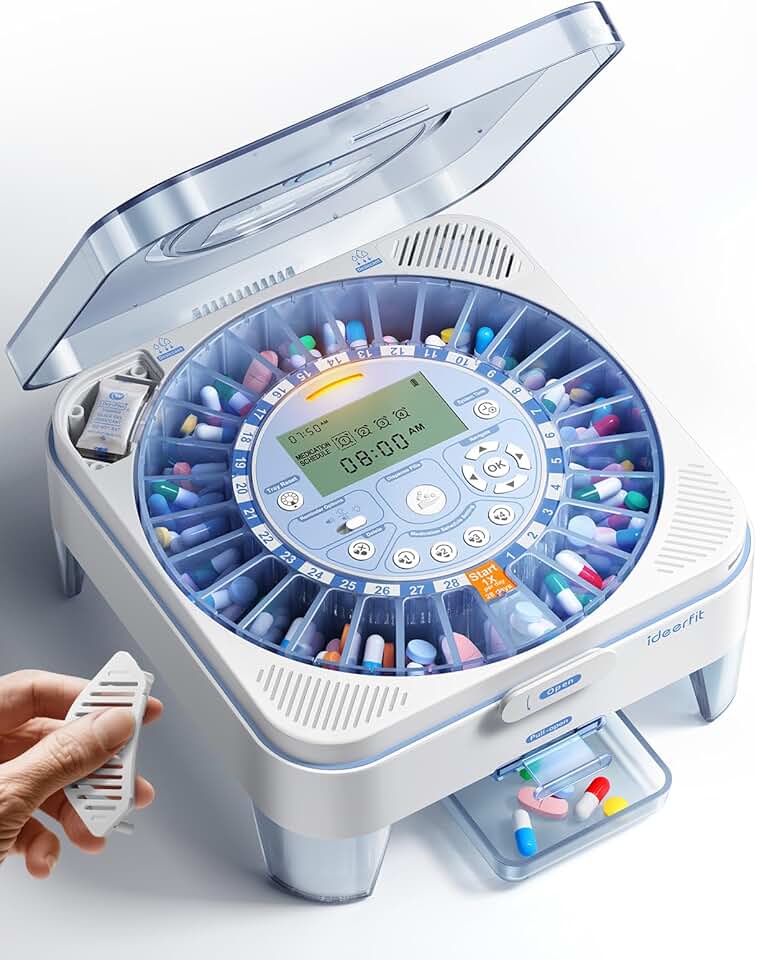
28-day capacity · One-press daily dispense · Sound and light alerts
This dispenser provides a straightforward, non-app-based solution for reliable daily medication adherence with clear alerts and ample storage.

28-day capacity · Electronic monthly organization · Alarm and light alerts
This electronic dispenser offers a budget-friendly yet effective way for seniors to manage monthly medications with timed reminders and a secure locking mechanism.

28-day capacity · Up to 9 doses per day · WiFi connectivity for care monitoring
This smart dispenser combines robust medication scheduling with WiFi-enabled care monitoring, ideal for ensuring adherence and providing caregiver oversight.

Monthly capacity · Flashing light alarms · Beeping reminders
This digital pill box provides essential visual and auditory cues, making it highly effective for individuals who benefit from simple, direct reminders for medication management.
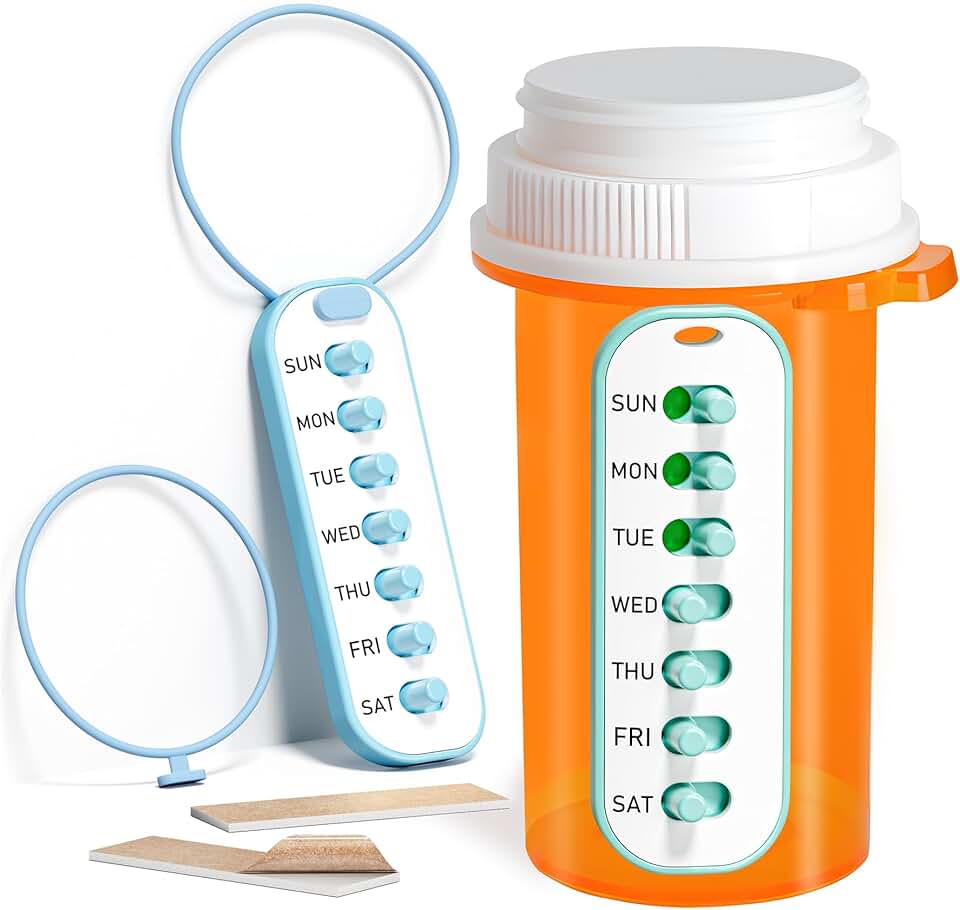
2-pack set · Reusable tracker · Lanyard or sticker attachment
These affordable and versatile pill reminders are a simple, reusable way to track medication for up to 7 days, easily attaching to existing pill bottles.
As an Amazon Associate I earn from qualifying purchases. Prices may vary.
Apps for the tech-savvy senior
For seniors comfortable with smartphones or tablets, medication reminder apps can be a valuable tool. These apps allow you to create customized schedules, set multiple alarms, and receive notifications when it’s time to take a pill. Many apps also include features like refill reminders, drug interaction checkers, and the ability to log medications taken.
However, tech adoption can be a significant hurdle. Seniors may struggle with small screens, complex interfaces, or simply learning how to use a new app. Ease of use is paramount. Look for apps with large fonts, clear icons, and simplified navigation. Voice control can also be helpful for those with dexterity issues. Apps like Medisafe and Mango Health are popular choices, offering user-friendly interfaces and helpful features.
Privacy and data security are also important considerations. Ensure the app uses secure encryption and has a clear privacy policy. Be cautious about apps that request excessive permissions or share your data with third parties. It's also worth considering the potential for false alarms or technical glitches. While apps can be helpful, they shouldn’t be the sole method of medication management.
- Medisafe: Highly rated for its ease of use and comprehensive features.
- Mango Health: This app tries to gamify health by giving you points and actual rewards—like gift cards—for recording your doses on time.
- Round Health: Focuses on visual reminders and medication tracking.
What is actually coming next
The field of smart medication management is constantly evolving. Emerging technologies are poised to take these systems to the next level. Automatic refill ordering, for example, can eliminate the hassle of manually requesting prescriptions. Integration with pharmacies allows for seamless prescription delivery and automatic synchronization of medication schedules.
AI-powered medication reconciliation is another promising development. This technology can analyze a patient’s entire medication list – including prescriptions, over-the-counter drugs, and supplements – to identify potential drug interactions or duplications. This is particularly important for seniors who see multiple doctors and take a variety of medications. It could prevent serious health complications.
Most of these high-end features are still stuck in R&D. MIT researchers are testing eldercare robots that can physically hand over a pill, but don't expect to buy one at Best Buy this year. For now, the 'advanced' tech is mostly just better software integration between your pharmacy and your phone.
Smart Medication Management System Comparison - 2026
| Dispenser Features | App Features | Caregiver Involvement | Data Security Focus | Overall System Approach |
|---|---|---|---|---|
| Hero | Focuses on automated dispensing with customizable schedules and alerts. Relatively simple physical interface. | Remote monitoring via app; family members can view adherence and receive notifications. Limited two-way communication. | Strong emphasis on HIPAA compliance; data encryption in transit and at rest. User access controls. | Designed for independent seniors who need reminders and automated dispensing, with family oversight. |
| Pillo | Robotic dispenser with voice interaction capabilities. Can answer medication-related questions and offers a more conversational experience. | Comprehensive app with detailed adherence reports, medication information, and telehealth integration potential. More interactive than Hero’s app. | Allows for multiple caregiver connections with varying levels of access. Facilitates communication between patient, caregivers, and potentially healthcare providers. | Prioritizes data privacy; employs end-to-end encryption. Focus on secure voice data handling. |
| MedMinder | Automated tray-based dispenser with audible and visual alerts. Known for its reliability and ease of use. | App provides medication reminders, refill alerts, and adherence tracking. Integrates with pharmacies for automated refills. | Caregivers can receive alerts and reports, but the system is primarily designed for patient self-management. Limited proactive caregiver features. | Compliant with HIPAA regulations; employs data encryption and access controls. Focus on secure data transmission. |
| Philips Medication Dispensing Service | Centralized dispensing service with a connected device. Medications are pre-sorted and dispensed remotely. | App offers basic adherence tracking and refill reminders. Primarily a support tool for the dispensing service. | Caregiver access is limited to communication with the dispensing service. Not designed for direct family monitoring. | Philips leverages its established healthcare security protocols. Focus on secure dispensing and data management. |
| Timesync | Automated dispenser with a focus on preventing missed doses. Features include multiple alarm types and a clear display. | App provides medication schedules, adherence tracking, and refill reminders. Offers a user-friendly interface. | Caregivers can remotely monitor adherence and receive alerts. Allows for collaborative medication management. | Emphasizes data security through encryption and access controls. Compliant with relevant privacy regulations. |
Qualitative comparison based on the article research brief. Confirm current product details in the official docs before making implementation choices.
The insurance hurdle
The cost of smart medication management systems can be a significant barrier for some seniors. Digital pill dispensers range in price from around $50 to over $300, depending on the features. Subscription fees for app-based services can add another $10-$50 per month. It’s essential to factor in these ongoing costs when making a decision.
Unfortunately, Medicare coverage for these devices is limited. According to CMS.gov documentation, digital pill dispensers may be covered as Durable Medical Equipment (DME) in specific circumstances, but the requirements are strict. Documentation must demonstrate medical necessity and a physician’s order. It's often a complex process to obtain reimbursement. Some private insurance plans may offer partial coverage, but it varies widely.
Navigating the insurance process can be challenging. Start by contacting your insurance provider to inquire about coverage. Be prepared to provide detailed documentation from your physician. Consider the long-term cost savings associated with preventing medication errors and hospitalizations. While the upfront cost may seem high, it could be offset by reduced healthcare expenses in the long run.
- Check Medicare guidelines for DME coverage.
- Contact your private insurance provider.
- Gather documentation from your physician.
Choosing the Right System
Selecting the right smart medication management system requires careful consideration. There’s no one-size-fits-all solution. Start by assessing the senior’s cognitive abilities and technical skills. Is the person comfortable using a smartphone or tablet? Do they have difficulty with fine motor skills? These factors will influence the type of system that’s most appropriate.
Consider the complexity of the medication regimen. A simple timed dispenser may be sufficient for someone taking a few medications, while a connected dispenser with remote monitoring may be necessary for those with more complex needs. Budget is also a crucial factor. Be realistic about what you can afford and prioritize features that are most important. It's important to involve the senior in the decision-making process. Their input is invaluable.
I strongly recommend consulting with a pharmacist or healthcare provider for personalized recommendations. They can assess the individual’s needs and suggest systems that are appropriate for their specific situation. Finally, remember that ongoing support and training are essential. Ensure the vendor provides adequate customer service and resources to help the senior and their caregivers learn how to use the system effectively. A little support can make a big difference.
No comments yet. Be the first to share your thoughts!