

Why AI matters for aging at home
The shift from passive monitoring to proactive assistance is redefining aging in place. Traditional safety devices often wait for a fall to happen or a button to be pressed. AI companions and assistive robots are moving beyond simple alerts to proactive health monitoring and social engagement, reducing isolation and fall risks.
These devices, often referred to as the "seniors bot" category, act as both caregivers and conversational partners. By supplementing human care, they stimulate brain activity and provide a safety net that adapts to daily routines. This technology allows seniors to maintain their independence longer, with devices that can detect anomalies in movement or mood before they become emergencies.
10 AI Assistive Devices for Aging in Place in 2026
As the 'seniors bot' category matures, AI-driven hardware is redefining aging in place by merging proactive safety monitoring with seamless daily assistance. This roundup highlights ten concrete devices, from fall-detection wearables to autonomous medication dispensers, that prioritize independence without compromising security.
-
Care-O-bot: Multi-functional assistance
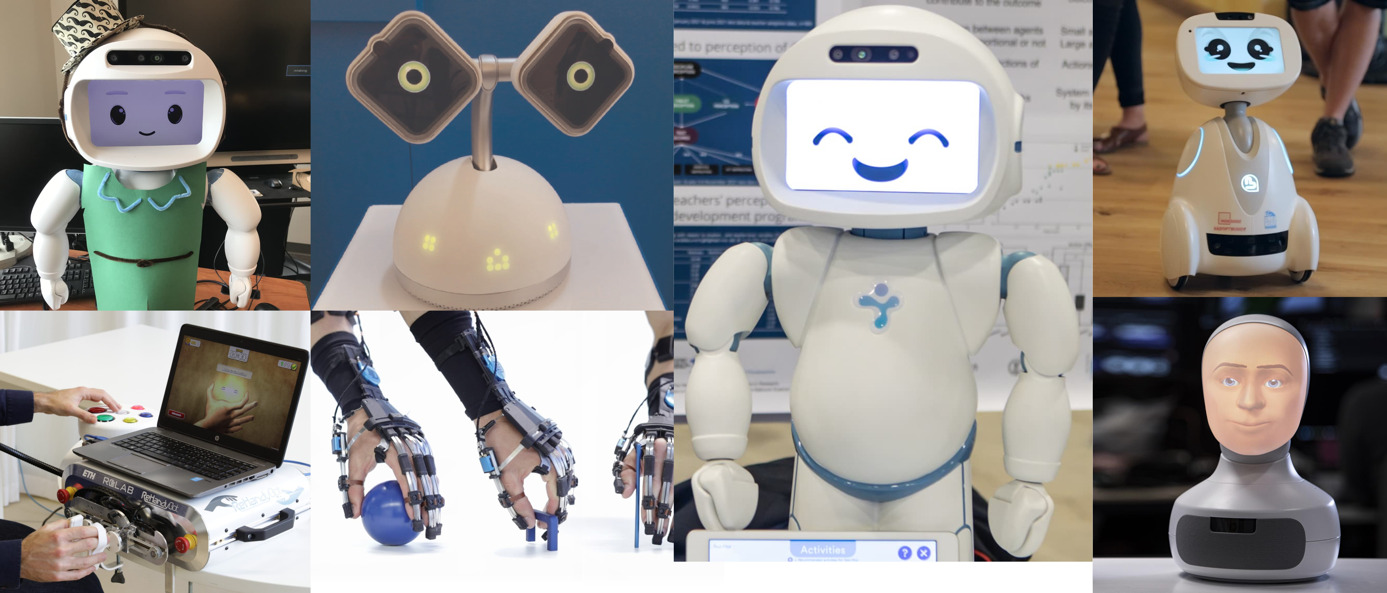
The Care-O-bot serves as a versatile "seniors bot" capable of retrieving items from high shelves or opening refrigerator doors. Its articulated arm and mobile base allow it to navigate cluttered living spaces, reducing physical strain on users with limited mobility. This multi-functional assistance device bridges the gap between independent living and needing constant human help for daily chores. -
Paro: Therapeutic seal robot
Paro is a therapeutic seal robot designed to provide comfort and reduce anxiety for seniors with dementia or loneliness. Its responsive sensors allow it to react to touch and voice, mimicking the calming presence of a live pet without the maintenance required for living animals. This AI companion offers emotional support through gentle interactions and soothing movements. -
ElliQ Lite: Budget-friendly option
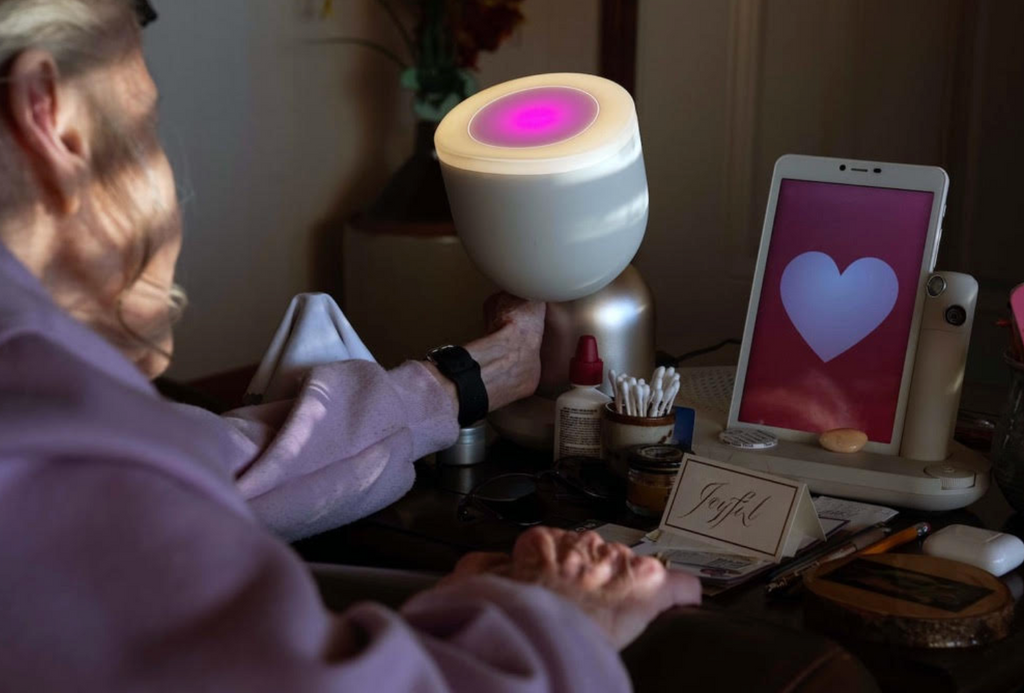
ElliQ Lite offers a more accessible entry point into proactive AI companionship, focusing on essential engagement features without the premium price tag. It encourages social connection by suggesting activities, reading news, and facilitating video calls with family members. This streamlined approach ensures that budget-conscious seniors can still benefit from consistent digital interaction and cognitive stimulation. -

Smart home hubs for senior safety
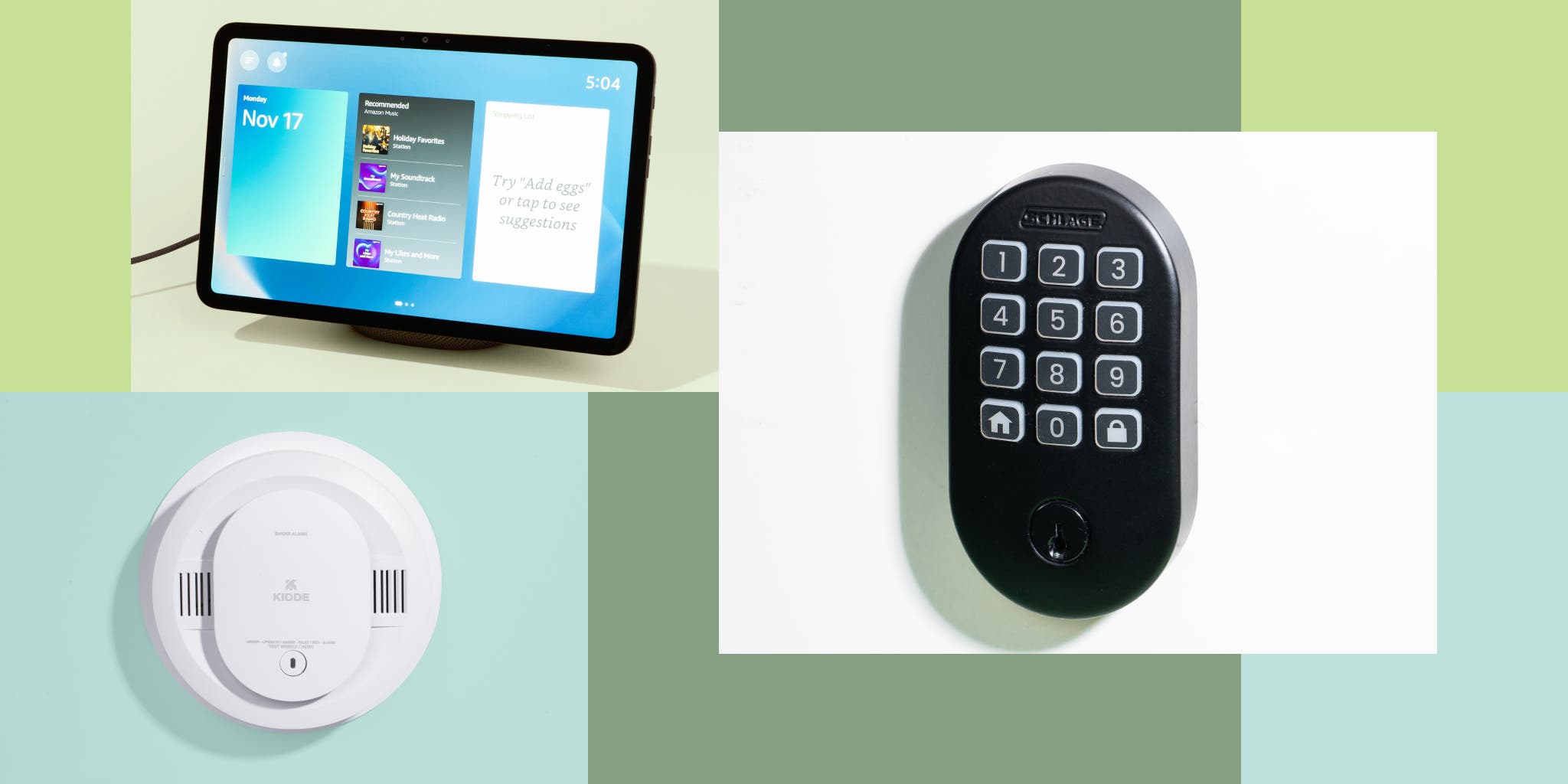
Centralized smart home hubs integrate various sensors to monitor falls, unusual activity patterns, and environmental hazards like gas leaks or extreme temperatures. These systems create a protective network that alerts caregivers or emergency services automatically when anomalies are detected. By consolidating communication between devices, they provide a comprehensive safety net that enhances peace of mind for aging individuals living alone. -
Wearable AI fall detectors
Wearable AI fall detectors utilize advanced accelerometers and gyroscopes to distinguish between accidental falls and normal movements like sitting down quickly. These compact devices automatically dispatch emergency contacts or medical services upon detecting a significant impact, ensuring rapid assistance during critical incidents. Their discreet design allows seniors to maintain their daily routines while benefiting from constant, invisible monitoring and immediate response capabilities. -
Moxi: Socially assistive robot
Moxi is a mobile robot designed to perform household chores such as fetching items, delivering meals, and providing medication reminders. It features a screen for video calls and a robotic arm for physical tasks, making it ideal for seniors who need help with daily activities but wish to remain in their own homes. Moxi operates autonomously, navigating rooms to assist without requiring constant human supervision. -
Luka: Reading companion robot
Luka is a book-reading robot that brings stories to life for seniors who may have difficulty reading due to vision loss or cognitive decline. It recognizes books via barcode scanning and reads them aloud with expressive voices, offering both entertainment and cognitive stimulation. This device promotes mental agility and provides a comforting routine for seniors who enjoy listening to stories. -
GeriBot: Elderly care companion
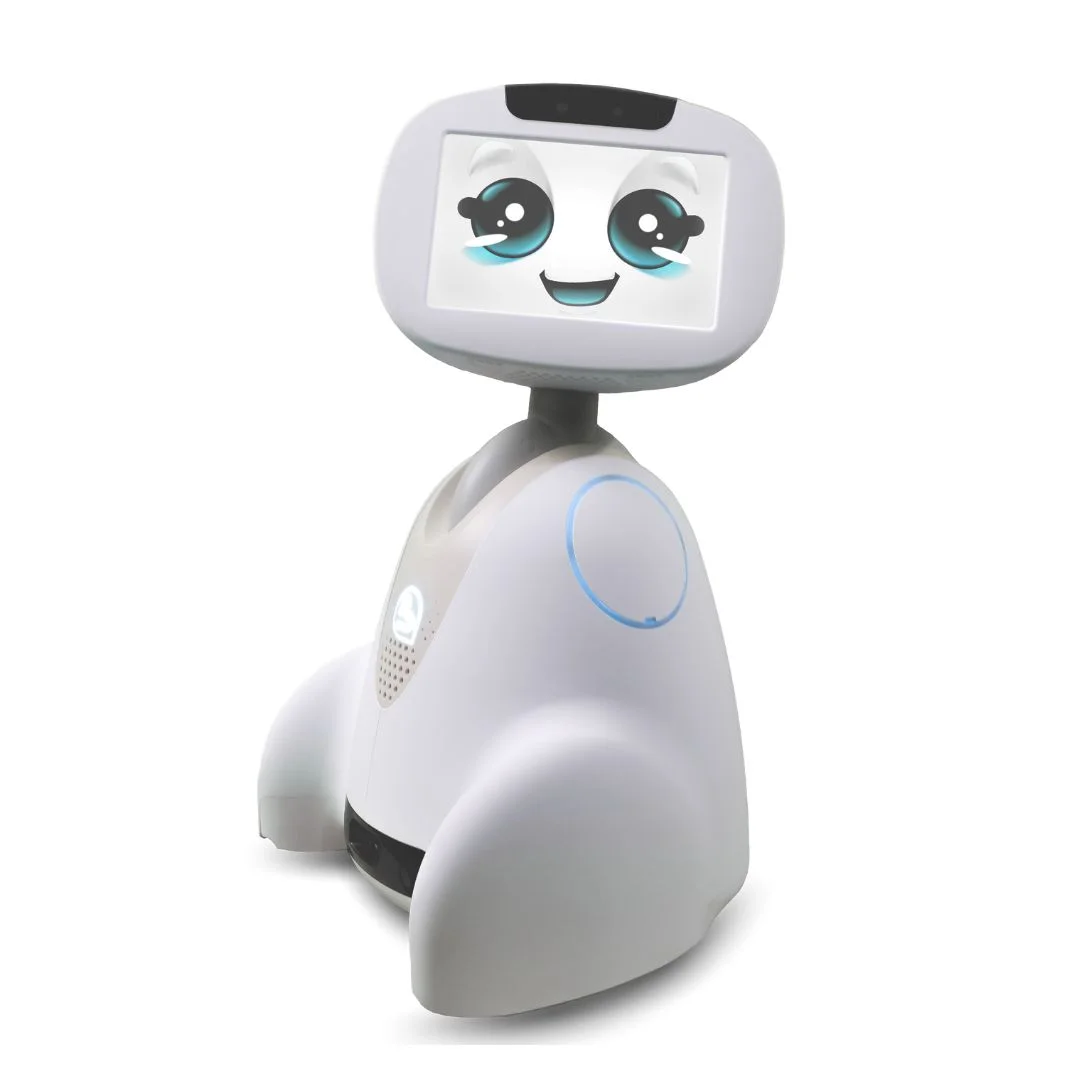
GeriBot is a compact robot designed to provide companionship and basic assistance to elderly individuals. It features voice interaction capabilities, allowing seniors to chat, ask questions, or receive reminders for daily tasks. GeriBot also includes features like video calling and music playback, helping to reduce feelings of loneliness and isolation among seniors living alone. -
Robotics arm for daily tasks
Specialized robotic arms can be mounted in kitchens or bathrooms to assist seniors with tasks like opening jars, turning taps, or reaching high shelves. These devices reduce the physical effort required for daily activities, minimizing the risk of injury or strain. By automating mundane tasks, they help seniors maintain their independence and dignity in their daily routines. -
AI-powered medication dispensers
Advanced medication dispensers use AI to track prescription schedules and alert seniors when it is time to take their medication. Some models include features like voice reminders, visual cues, and even automatic dispensing of pills. These devices ensure that seniors adhere to their medication regimens, reducing the risk of missed doses or medication errors.
Compare top AI assistive devices
Choosing the right "seniors bot" depends on whether your priority is emotional companionship, physical safety, or basic home automation. The following comparison outlines four distinct approaches to aging in place, highlighting their primary functions and ideal use cases.
| Device | Type | Best For | Price Range |
|---|---|---|---|
| ElliQ | Companion Robot | Proactive engagement and daily conversation | Premium |
| Navi | Social Robot | Structured activities and social connection | Premium |
| Paro | Therapeutic Seal | Calming anxiety and tactile comfort | Mid-to-High |
| Smart Hubs | Voice Assistant | Basic reminders and home control | Low-to-Mid |
ElliQ and Navi represent the proactive end of the spectrum. Unlike passive speakers, these robots initiate interaction, helping to combat isolation by suggesting activities or simply checking in. Paro offers a different kind of support; its seal-like form provides tactile comfort that many seniors find soothing, particularly those with cognitive decline. For those needing only functional assistance, standard smart hubs remain the most accessible entry point for voice-controlled safety and reminders.



As an Amazon Associate, we may earn from qualifying purchases.
Frequently asked questions about seniors bots
Do AI companions record private conversations?
Most AI devices designed for aging in place, such as ElliQ or Navi, prioritize privacy by processing voice commands locally on the device rather than streaming audio to the cloud. These systems typically use a physical mute button or LED indicator to show when the microphone is active. They are engineered to listen only for wake words or specific care-related triggers, ensuring that daily conversations remain between the senior and their family.
Are these robots difficult to set up?
Unlike complex smart home setups, companion robots are built for ease of use. Devices like ElliQ feature a "zero-touch" onboarding process where family members can configure schedules, contacts, and reminders remotely via a smartphone app. Once delivered, the robot often turns on and connects to Wi-Fi automatically, requiring no technical knowledge from the senior to start using basic features like video calls or reminders.
Can AI bots replace human caregivers?
AI companions are designed to supplement, not replace, human care. They excel at providing social interaction, medication reminders, and cognitive stimulation, which can help reduce loneliness and improve mental well-being. However, they lack the physical dexterity and emotional nuance required for personal hygiene, medical emergencies, or deep empathetic support. Think of them as a 24/7 digital companion that keeps seniors engaged between visits from family or professional caregivers.
No comments yet. Be the first to share your thoughts!