
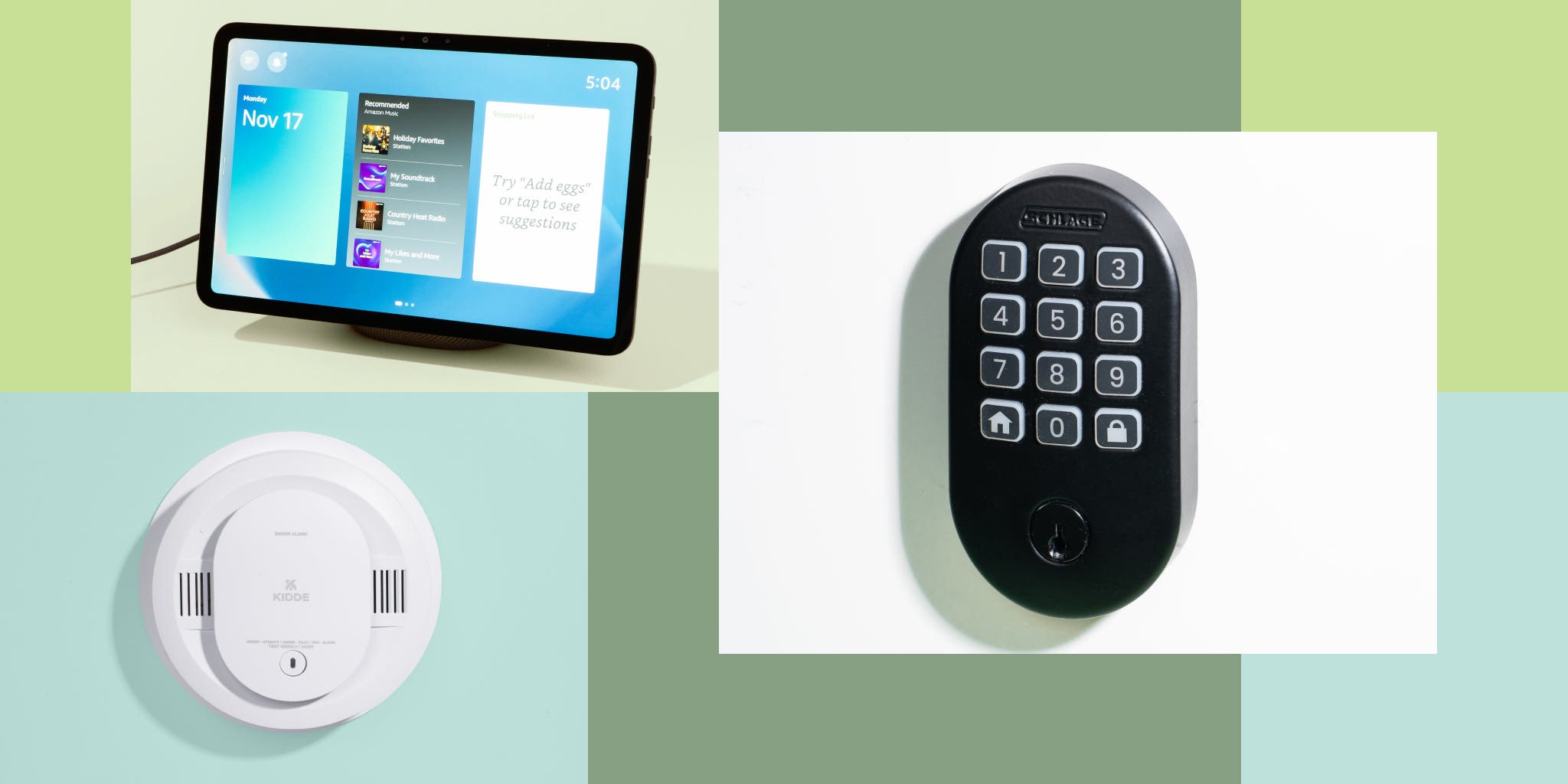

Why seniors need smart home support
Aging in place is the clear preference for most older adults, yet maintaining independence often becomes difficult as daily tasks grow more complex. The traditional model of care relies heavily on human presence, which can be expensive or unavailable. This is where the role of a seniors bot shifts from novelty to necessity. These devices are not just gadgets; they are active participants in a safety net that allows people to stay in their own homes longer.
The primary value of these AI companions lies in their ability to bridge the gap between solitude and support. Loneliness is a significant health risk for the elderly, contributing to cognitive decline and depression. By offering consistent interaction, an AI companion provides a layer of social connection that human caregivers, who may only visit for short periods, cannot replicate. When used as a supplement to human care, these bots help stimulate brain activity and provide a sense of security that extends beyond simple monitoring.
Safety is the other critical pillar. While emergency alerts are standard, modern AI assistants offer proactive support. They can detect falls, remind users to take medication, and even notice changes in routine that might signal a health issue. This continuous, low-friction monitoring gives family members peace of mind and gives seniors the confidence to manage their lives without constant supervision.
This technology does not replace human touch, but it fills the empty hours. It transforms a quiet house into a responsive environment that watches over its resident, ensuring that aging does not mean isolation.
5 Best AI Companions and Assistive Robots for Aging in Place
Navigating the market for AI companions and assistive robots for aging in place requires distinguishing between genuine safety innovations and marketing hype. This curated selection highlights specific, concrete devices designed to enhance independence and security for seniors, focusing on proven utility rather than abstract categories.
1. ElliQ companion robot for daily engagement
ElliQ acts as a proactive digital companion, initiating conversations rather than waiting for commands. Its sleek, tablet-like design sits on a side table, offering gentle reminders for medication and social calls. This AI-driven approach combats loneliness by fostering natural dialogue, keeping seniors mentally active and connected to family without the complexity of traditional smart screens.

2. Paro therapeutic seal for anxiety relief
Paro resembles a baby harp seal, using sophisticated sensors to respond to touch and voice. Designed for therapeutic use, it lowers stress and anxiety in seniors with dementia by providing comforting, interactive pet-like behavior. Its weight and warmth mimic a real animal, offering emotional support and tactile engagement without the responsibilities of pet ownership.

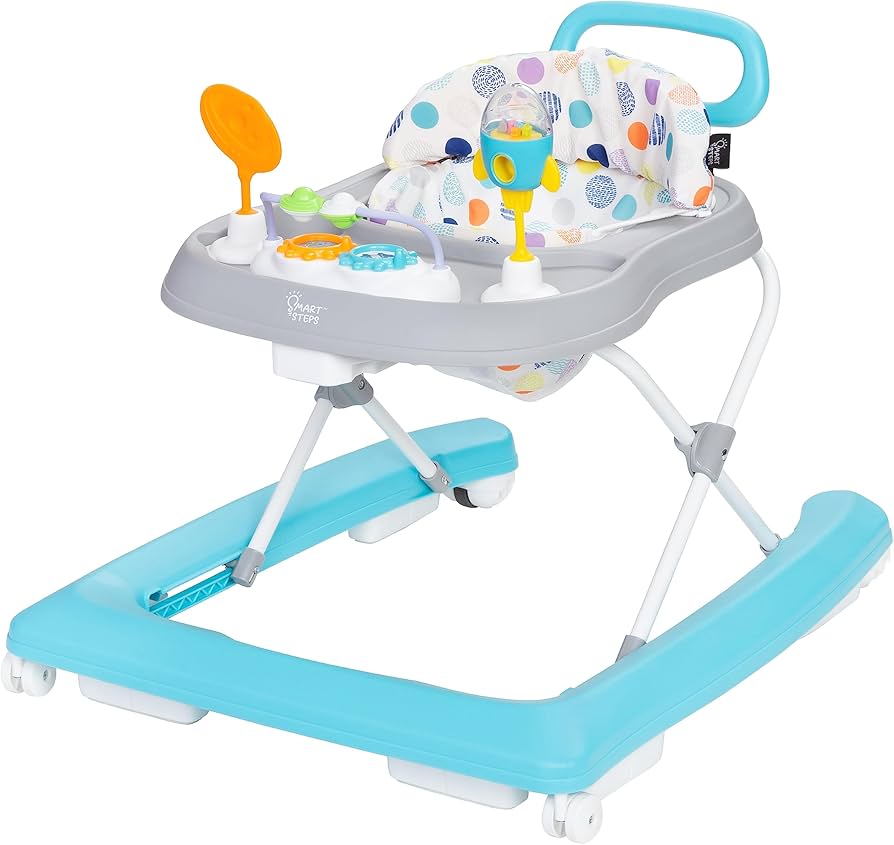
3. Kinetic Care smart walker for safety
The Kinetic Care smart walker integrates sensors to monitor gait stability and detect fall risks in real-time. It provides immediate feedback to users and alerts caregivers if unusual patterns emerge. This device transforms a standard mobility aid into an intelligent safety net, enhancing confidence for seniors navigating their homes or community spaces independently.
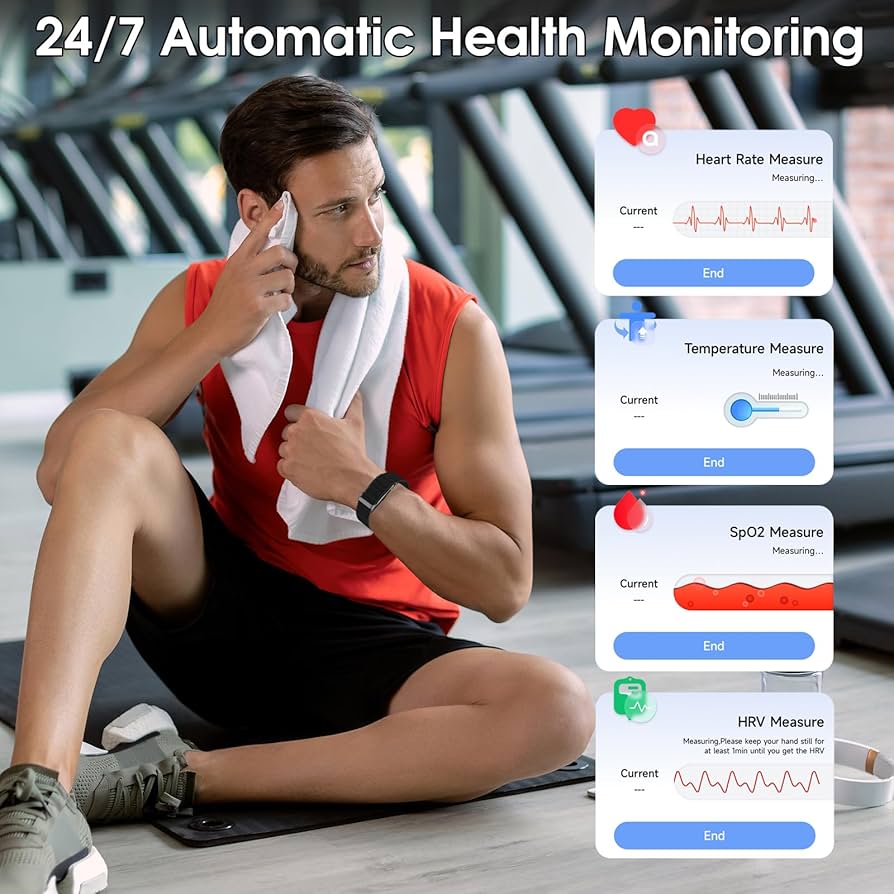
4. CarePredict wearable health monitoring device
CarePredict is a discreet wearable that tracks activity levels, sleep patterns, and social interactions automatically. It uses AI to detect changes in daily routines that may signal health issues or cognitive decline. This non-intrusive monitoring provides peace of mind for families, ensuring early intervention if a senior’s behavior deviates from established healthy baselines.
5. Moxi social robot for household assistance
Moxi, developed by Diligent Robotics, assists with light household tasks like fetching items or delivering medications. It navigates home environments autonomously, reducing physical strain on seniors. By handling minor chores, Moxi allows older adults to maintain independence and dignity, focusing their energy on meaningful activities rather than mundane daily burdens.

How to choose the right senior bot
Selecting an AI companion or assistive robot requires matching the device to the specific challenges your loved one faces. A robot that solves one problem might be useless for another, so we break down the decision by need: loneliness, safety, and mobility.
For loneliness and companionship
If the primary goal is reducing isolation, look for robots designed for proactive interaction. ElliQ is a leading option here. Unlike passive speakers, ElliQ sits on a table and initiates conversations, suggests activities, and helps video call family members. It is built to feel like a presence in the room rather than just a tool. For those who prefer a purely digital solution, apps like SeniorTalk offer AI chat companions that provide conversation without the hardware footprint.
For safety and fall detection
Safety robots focus on monitoring and emergency response. These devices often use sensors to detect falls or unusual inactivity and can alert caregivers immediately. Some advanced models, like those being developed by MIT researchers, are designed to physically support seniors as they sit or stand, catching them if they lose balance. While fully autonomous physical catching robots are still emerging, smart home integrations with fall-detection sensors and AI monitoring systems provide a robust layer of safety for aging in place.
For mobility and physical assistance
Assistive robots for mobility help with daily physical tasks. These can include devices that help with lifting, walking support, or even robotic exoskeletons. For seniors with limited mobility, a robot that can fetch items or assist with transfers reduces the strain on caregivers and promotes independence. When evaluating these options, consider the weight capacity, ease of use, and whether the robot can plan around the specific layout of the home.
Comparison of Key Features
Use this table to compare the core capabilities of different robot types based on your primary need.
Setting up assistive tech at home
Getting an AI companion or assistive robot to work with your existing smart home ecosystem is the final hurdle before adoption. Most modern devices, like the ElliQ companion robot, are designed to integrate with standard Wi-Fi networks and popular voice assistants, reducing the need for complex wiring or specialized hubs. This plug-and-play approach ensures that the technology supports daily routines without becoming a source of frustration.
Privacy is the other major concern for families installing these devices. Look for products that offer local processing options or clear data deletion controls, ensuring that sensitive health or conversation data remains secure. The integration of AI into elder care requires trust; transparent privacy policies and simple user controls are essential for comfortable long-term use.


As an Amazon Associate, we may earn from qualifying purchases.
No comments yet. Be the first to share your thoughts!