

Why AI matters for aging in place
AI-powered devices are shifting from novelty to necessity for seniors who want to stay independent. These tools address three core needs: reducing isolation, monitoring health, and assisting with physical tasks. Choosing the right device requires matching specific capabilities to the senior’s actual daily challenges rather than buying the most advanced hardware available.
10 AI-Powered Aging in Place Gadgets for 2026
- ElliQ Companion Robot: A proactive AI companion that initiates conversations, shares news, and facilitates video calls with family, directly tackling loneliness and cognitive engagement.
- Buddy Social Robot: A tablet-based robot with a screen that allows for natural two-way video interaction, helping seniors stay connected with caregivers and loved ones through a familiar interface.
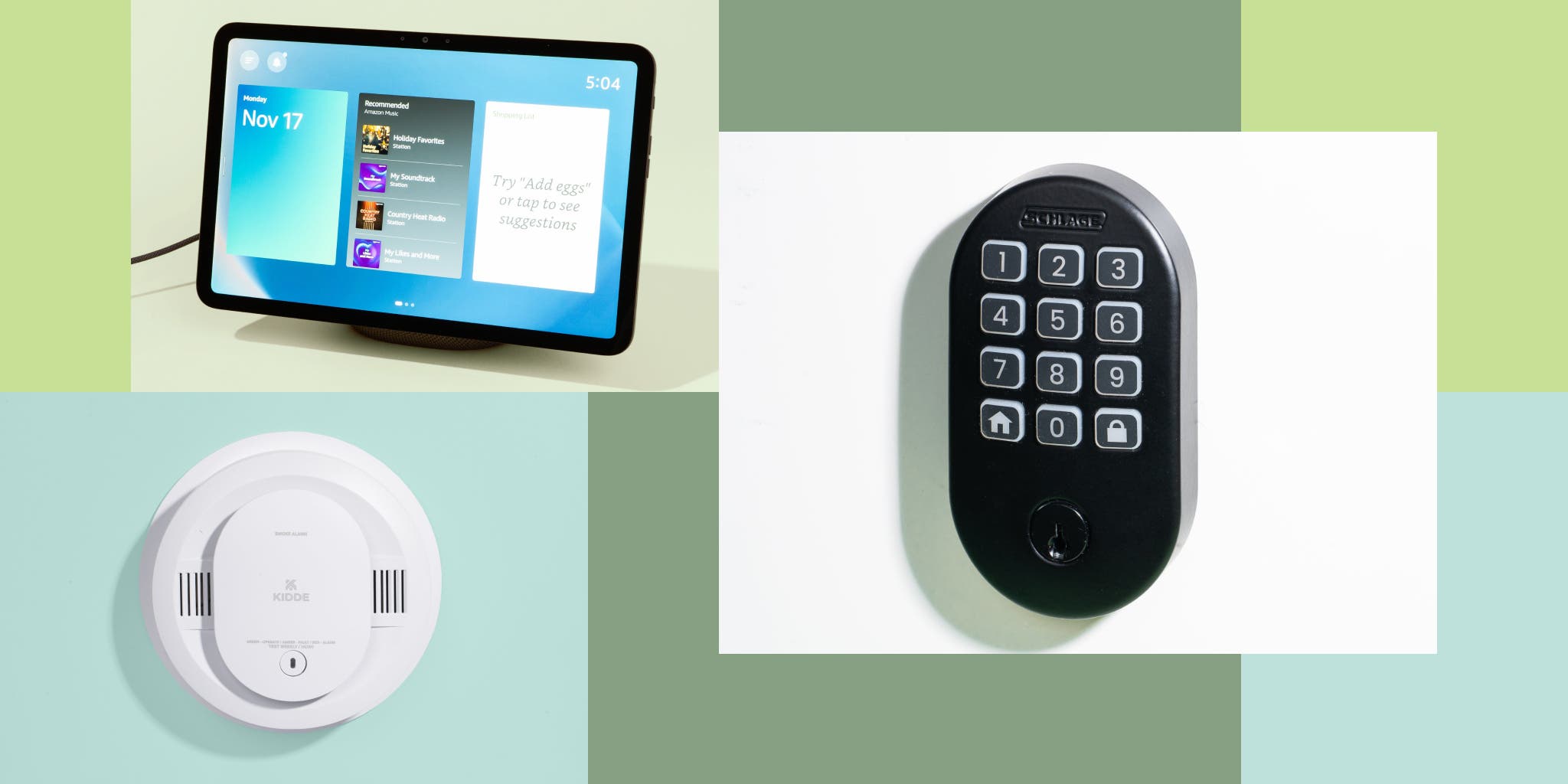
- Amazon Echo Show 15: A large-screen smart display that serves as a central hub for video calls, medication reminders, and calendar management, offering a low-cost entry point into AI-assisted living.
- Jibo (Legacy/Refurbished Market): While the consumer model has ceased production, refurbished units remain a notable example of a social robot designed for emotional connection and routine assistance.
- Assist-Bot Voice Assistant: A specialized voice-activated system focused on medication adherence and health check-ins, providing structured prompts for daily wellness routines.
- Samsung Bot Handy (Prototype/Concept): An emerging concept in physical assistance, representing the future of robots that can perform simple household tasks like fetching items, though currently limited to developmental stages.
- Looxcie AI Glasses: Wearable AI technology that allows seniors to capture photos and videos hands-free, helping them document memories and communicate with family without fumbling with phones.
- Apple Watch with Fall Detection: A wearable that uses AI algorithms to detect hard falls and automatically contact emergency services, providing critical safety monitoring for those living alone.
- Philips SmartCare: A non-wearable health monitoring system that uses radar and AI to track sleep patterns, heart rate, and breathing without the need for cameras or wearables, preserving privacy.
- CarePredict Wearable: A wearable device that uses AI to learn daily activity patterns and alert caregivers to deviations, such as missed meals or unusual inactivity, indicating potential health issues.
How to choose the right senior bot
Picking a senior bot starts with identifying the primary gap in care. The market splits into three distinct categories: social companionship, health monitoring, and physical assistance. Matching the robot to the specific need prevents buying expensive hardware that sits unused.
For loneliness and engagement: Look for proactive companions like ElliQ or Buddy. These robots initiate conversation and manage video calls, acting as a digital bridge to family rather than just a passive speaker.
For safety and health: Prioritize robots with fall detection and medication reminders. Systems like Assist-Bot use voice prompts to ensure daily health checks are completed, providing peace of mind for caregivers.
For physical support: Physical eldercare robots are emerging for mobility aid. Devices designed to help users sit, stand, or catch falls are critical for those with limited mobility, though they require more space and technical setup.
| Primary Function | Best For | Example Models |
|---|---|---|
| Social Companionship | Loneliness & Engagement | ElliQ, Buddy |
| Health Monitoring | Medication & Safety | Assist-Bot, CarePredict |
| Physical Assistance | Mobility & Fall Prevention | Eldercare Robots, Apple Watch |


As an Amazon Associate, we may earn from qualifying purchases.
Privacy and data security concerns
AI devices collect sensitive data, making privacy a critical consideration. When evaluating a senior bot, review the manufacturer’s data policy to understand where information is stored and who has access. Prefer devices that offer local processing options or clear opt-out features for data sharing. Ensure that any cloud-based services comply with healthcare privacy standards if health data is involved.
Frequently asked questions about seniors bots
What is the robot that helps the elderly? Companion robots like ElliQ and Buddy are designed to support healthy aging at home. They go beyond simple tools, offering natural conversation and social engagement to reduce isolation. For instance, ElliQ proactively initiates interaction to keep older adults connected with their daily routines and loved ones.
Are AI senior bots safe to use? Yes, when used as intended. These devices typically operate on local networks or secure cloud servers to protect privacy. They are designed to assist rather than replace professional care, focusing on companionship and routine reminders. Always review the specific data privacy policies of the manufacturer before purchase.
Which senior bot is best for memory care? For individuals with memory challenges, robots with visual interfaces and simplified controls are most effective. Buddy, developed by Blue Frog Robotics, uses facial recognition and tailored applications to engage users naturally. Its ability to respond to familiar voices and faces can provide a comforting sense of continuity for those with cognitive decline.
No comments yet. Be the first to share your thoughts!