

The reality of fall risks
Falls are a major threat to independence. The CDC reports that over one in four adults 65 and older falls every year. These aren't just stumbles; they are a leading cause of injury. In 2020 alone, fall-related injuries resulted in over 37,700 deaths among older adults.
But the impact extends beyond the physical. A fall can create a deep fear of falling again, leading to reduced activity and social isolation. This impacts not only the individual but also their families, who often worry constantly and may face difficult decisions about care. Maintaining independence is incredibly important for quality of life, and a fall can quickly erode that.
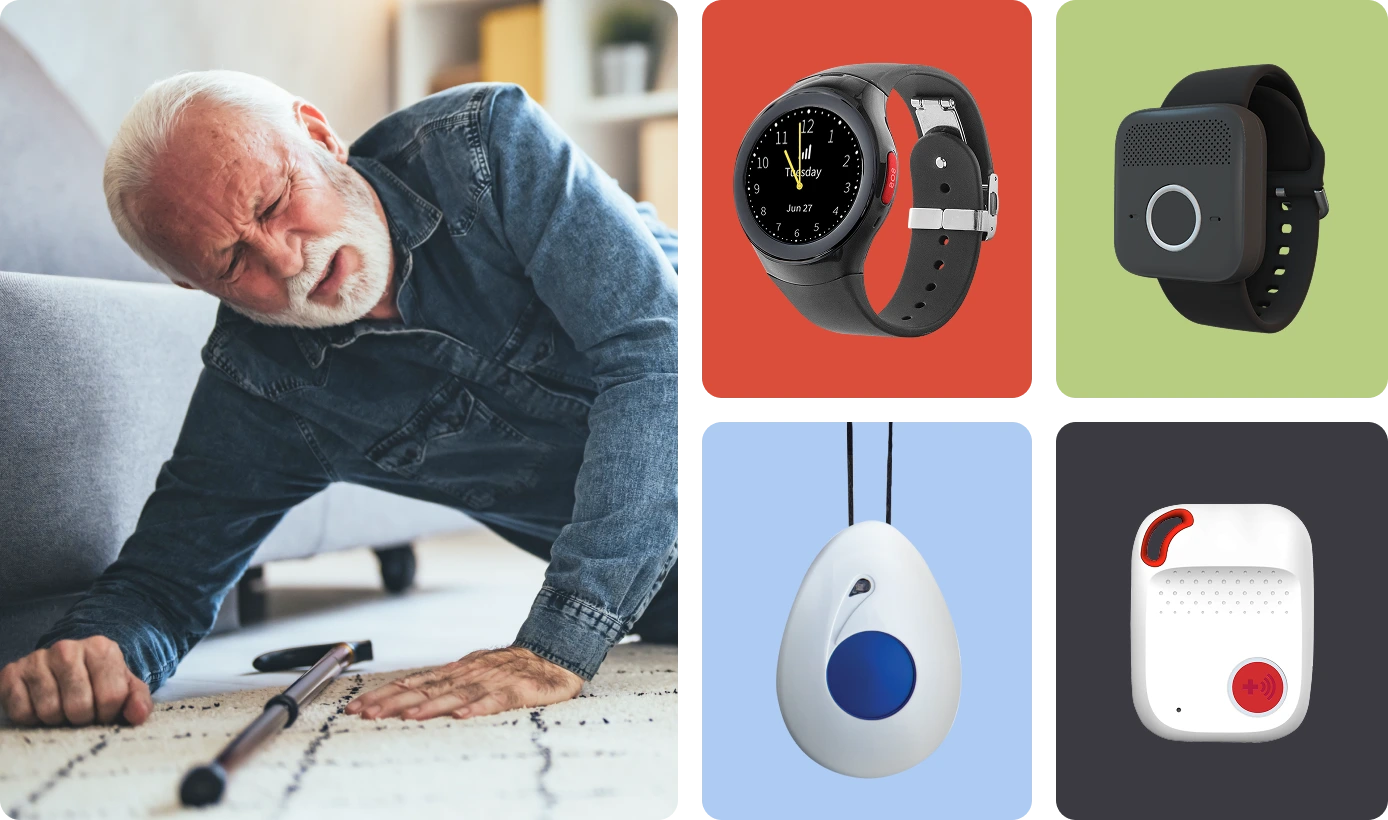
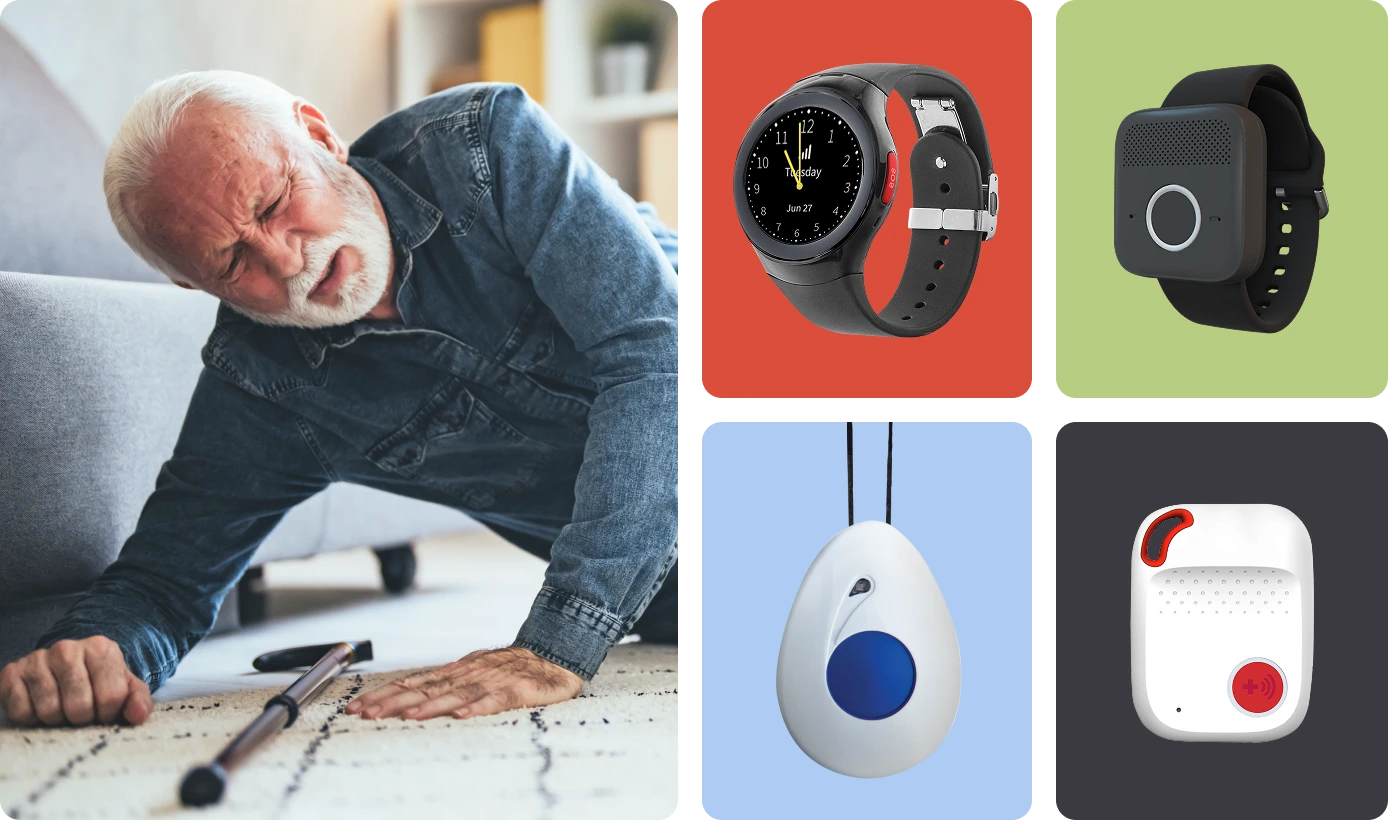
Traditional solutions like personal emergency response systems (PERS), often referred to as "life alert’ buttons, have limitations. They rely on the individual remembering to press the button after a fall, which isn’t always possible if they’re unconscious or disoriented. That"s where more advanced fall detection technology comes in – offering a proactive layer of safety that can automatically alert help when needed.
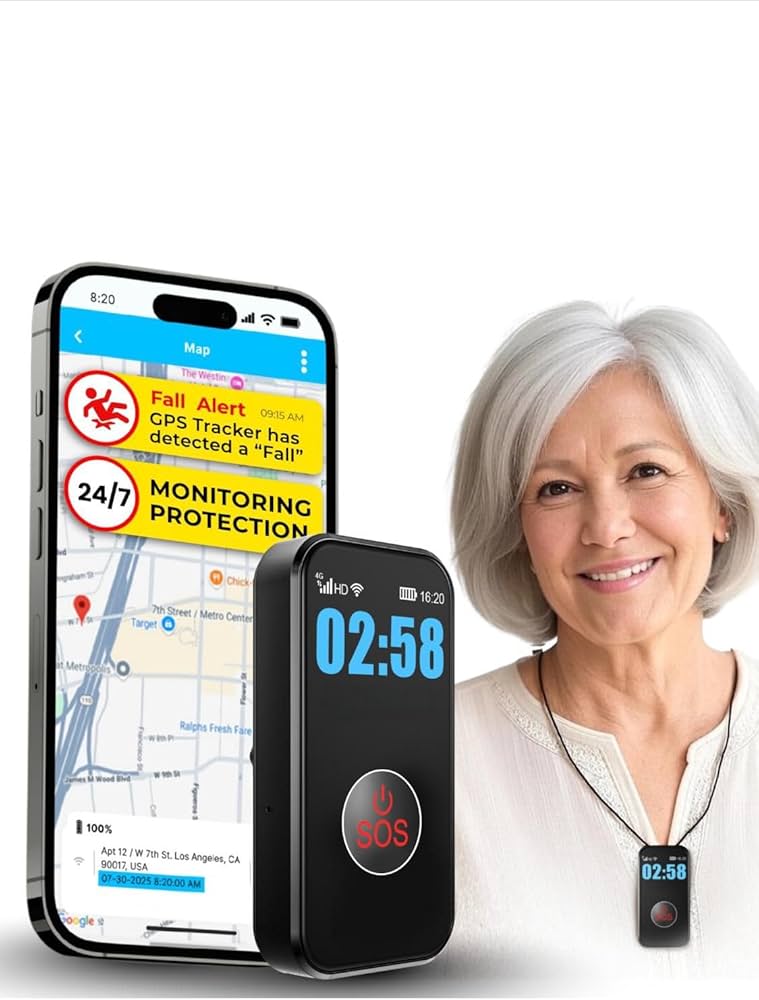
How the sensors spot a fall
Most fall detection systems use accelerometers. These sensors track motion and flag the sudden, unusual movements of a fall. They sense acceleration—changes in speed or direction—and trigger an alert when they register a rapid stop followed by a period of stillness.
However, accelerometer-based systems aren’t foolproof. They can sometimes generate false positives – incorrectly identifying normal activities, like a quick sit-down or a stumble, as a fall. The accuracy depends heavily on the sophistication of the algorithm and the device’s ability to filter out these false signals. GPS technology also plays a role, particularly in outdoor fall detection. It allows emergency responders to pinpoint the user's location quickly.
The most promising advancements are happening in the realm of artificial intelligence. Machine learning algorithms can be trained to recognize an individual’s unique gait and movement patterns. This allows the system to differentiate between a normal movement and a fall with much greater accuracy. These systems 'learn' what is typical for that person, reducing false alarms. There are two main approaches: device-based systems, like smartwatches and pendants, and ambient systems, which use sensors placed around the home.
Top devices for 2026
The market for fall detection devices is rapidly evolving. Here are some of the leading options available in 2026, with a look at their strengths and weaknesses. Prices are approximate and subject to change.
Apple Watch Series 10 (starting at $499): Apple’s latest smartwatch continues to refine its fall detection capabilities. It uses a combination of accelerometer and gyroscope data, and now includes improved machine learning algorithms. It's comfortable, offers a wide range of other health features, and seamlessly integrates with the Apple ecosystem. However, it requires an iPhone for full functionality and has a battery life of around 18 hours.
VitalsCare Pendant (Subscription: $35/month): This simple, lightweight pendant is designed for seniors who prefer a discreet device. It relies on cellular connectivity, so there’s no need for a smartphone or WiFi. It offers reliable fall detection and a direct connection to a 24/7 monitoring center. The downside is the ongoing subscription fee and the somewhat limited feature set.
FallSafe 2.0 Smartwatch ($299): Aimed specifically at seniors, the FallSafe 2.0 boasts extended battery life (up to 5 days) and a simplified user interface. It includes GPS tracking, heart rate monitoring, and a dedicated SOS button. It’s a good option for those who want a dedicated fall detection device without the complexities of a full-featured smartwatch.
AloeCare Max ($199 + $29/month): AloeCare combines a wearable sensor with a base station that communicates directly with emergency services. It learns the user's daily routines to minimize false alarms and offers voice-activated assistance. The monthly fee covers cellular connectivity and monitoring services.
Medical Guardian MGMove ($149 + $35/month): This lightweight, comfortable pendant offers fall detection, GPS tracking, and a two-way voice connection. It's designed for active seniors who want a discreet and reliable safety solution. The subscription includes 24/7 monitoring and access to a nationwide network of emergency responders.
Smart Home Fall Detection System by Lively ($99 + $25/month): This system uses wall-mounted sensors to detect falls within the home. It doesn't require the user to wear a device, which can be appealing to some. It integrates with other Lively smart home products and offers voice-activated assistance. It's best suited for individuals who spend most of their time at home.
Samsung Galaxy Watch 6 ($329): Similar to the Apple Watch, the Galaxy Watch 6 offers fall detection as part of its broader health and fitness features. It’s compatible with Android smartphones and boasts a vibrant display and long battery life. However, its fall detection accuracy isn’t quite as refined as Apple’s.
Featured Products
![Apple Watch Series 9 [GPS 45mm] Midnight Aluminum Case with Midnight Sport Band M/L (Renewed)](https://m.media-amazon.com/images/I/71aXGgNCE9L._AC_UY654_QL65_.jpg)
Automatic fall detection with advanced sensors · GPS and cellular connectivity for location tracking and emergency calls · Heart rate monitoring and ECG app for health insights
This renewed Apple Watch Series 9 offers robust fall detection and a suite of health monitoring features, seamlessly integrating into a senior's daily life for enhanced safety and well-being.

Dedicated 24/7 emergency call button with two-way voice communication · Built-in GPS for precise location tracking · Water-resistant design for use in bathrooms and showers
The Medical Guardian MGMove provides a reliable and user-friendly smartwatch solution for seniors, ensuring immediate access to emergency assistance and peace of mind through its integrated fall detection and GPS capabilities.

SOS call button and GPS tracking for immediate emergency response · Two-way calling for direct communication with responders · Waterproof pendant design for continuous wear
The SecuLife Fall Alert Device is a discreet and effective wearable pendant that offers seniors a direct line to help with its SOS button, GPS tracking, and two-way calling, all within a waterproof design.
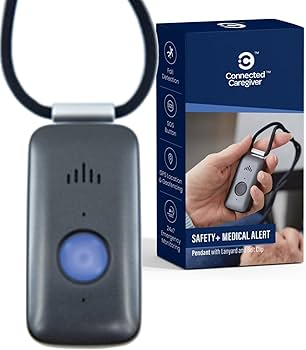
Automatic fall detection with advanced motion sensors · GPS and cellular connectivity for real-time location and emergency alerts · Two-way voice communication for direct contact with monitoring center
The Lively Personal Emergency Response System (PERS) offers a reliable and comprehensive solution for senior safety, featuring automatic fall detection, GPS tracking, and two-way communication to ensure prompt assistance when needed.

Real-time GPS tracking with location alerts · SOS button for immediate emergency contact · Two-way speakerphone for clear communication
This safety monitor provides essential tracking and communication features for vulnerable individuals, offering real-time location updates and an SOS button for immediate assistance, ensuring safety for children with special needs and the elderly.
As an Amazon Associate I earn from qualifying purchases. Prices may vary.
Smart home connections
Fall detection is increasingly becoming integrated into broader smart home ecosystems. Many devices now work with voice assistants like Alexa and Google Assistant, allowing users to activate emergency assistance with a simple voice command. Imagine saying, "Alexa, call for help," after a fall.
Smart lighting can also play a role. When a fall is detected, the system can automatically turn on lights, making it easier for emergency responders to locate the user. Some systems can even adjust the thermostat or unlock the door for first responders. These integrated systems create a more proactive safety net.
Privacy is a real concern here. These devices track your movement and health data constantly. Most companies encrypt this data, but you should check the privacy policy before buying. Some newer systems also connect directly to telehealth services for remote check-ins.
Dealing with false alarms
It’s important to have realistic expectations. No fall detection system is 100% accurate. False alarms are a common occurrence, particularly with accelerometer-based systems. These can be triggered by sudden movements, like getting out of a chair quickly, or by everyday activities.
AI is significantly improving accuracy by learning individual gait patterns and filtering out false positives. However, they still happen. User training is essential. Seniors need to understand how the device works and what types of movements might trigger a false alarm. Proper device setup, including correct sensitivity settings, is also crucial.
Caregiver monitoring and response are also important components of a fall detection system. Many systems allow caregivers to receive notifications when a fall is detected, allowing them to check in on the user or contact emergency services. Fall detection is a safety net, not a guarantee. It’s designed to provide assistance when needed, but it doesn’t eliminate the risk of falls.
Stopping falls before they happen
While fall detection technology is valuable, preventing falls in the first place is even better. Technology can play a role here, too. Smart lighting can improve visibility and reduce tripping hazards. Grab bars in the bathroom and kitchen can provide added support. Non-slip mats in the shower and on slippery floors can help prevent falls.
The CDC offers a comprehensive Home Fall Prevention Checklist for Older Adults (cdc.gov) that covers a wide range of potential hazards. This checklist recommends removing tripping hazards like loose rugs and clutter, ensuring adequate lighting, and making sure stairs are well-maintained.
However, technology is just one piece of the puzzle. Regular exercise, particularly exercises that improve balance and strength, is crucial. Good nutrition and regular vision checks are also important. A holistic approach to fall prevention, combining technology with lifestyle modifications, is the most effective way to maintain independence and quality of life.
- Toss the loose rugs and clear the floor clutter.
- Ensure adequate lighting throughout the home
- Put grab bars in the bathroom and kitchen.
- Use non-slip mats in showers and on slippery floors
- Maintain stairs in good repair
No comments yet. Be the first to share your thoughts!