

The Rise of AI-Powered Health Monitoring: Why Now?
The need for more effective remote health monitoring for seniors isn't a future problem—it's happening now. Our aging population is growing rapidly, and traditional healthcare models are struggling to keep pace. This isn't just about numbers; it’s about maintaining quality of life and independence for older adults. For decades, we've relied on periodic check-ups and self-reporting, but these methods have limitations. They often miss subtle changes that could indicate a developing health issue.
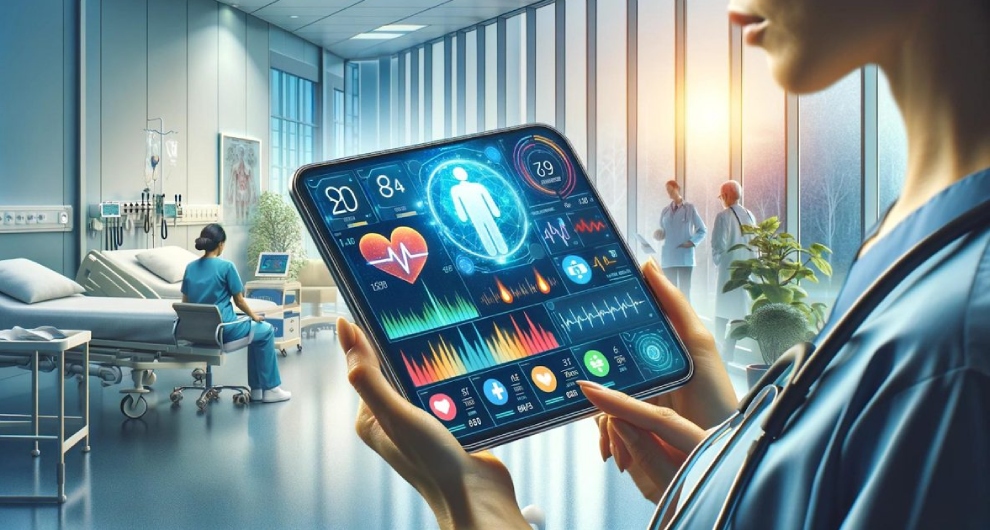
What’s changed? Recent advancements in artificial intelligence and wearable technology are finally allowing us to create solutions that are truly proactive. We’re seeing devices that can continuously monitor vital signs, detect falls, and even provide personalized health recommendations. This isn't about replacing doctors, but about empowering seniors to take control of their health and providing healthcare professionals with more data to make informed decisions. It's about adding layers of support, not simply hoping for the best.
The peace of mind these devices offer is significant, not just for seniors themselves, but for their families. Knowing that a loved one is being monitored and that help will be summoned if needed can be a tremendous relief. The strain on healthcare systems is a major driving force. By preventing hospitalizations and enabling seniors to age in place, these technologies have the potential to significantly reduce healthcare costs. It’s a win-win, assuming we address the important issues of data privacy and usability.
I think we're at a turning point. The technology is becoming more sophisticated, more affordable, and more user-friendly. Seniors Bot is dedicated to helping you navigate this new world and find the devices that best meet your needs. It’s not about replacing human connection, but about supplementing it with tools that enhance safety, independence, and overall well-being.
📱 Smart home technology for seniors is finally getting it right. Larger text, simplified setup, voice-first interfaces, and health-adjacent features are showing up across product lines from Amazon, Google, and Apple.
— Aging In The Comfort Of Home® (@aitcohllc) April 11, 2026
The aging-in-place market is no longer an afterthought.…
Fall Detection and Prevention: Beyond Basic Alerts
For many seniors, the fear of falling is a constant worry. Falls are a leading cause of injury and hospitalization, and they can significantly impact quality of life. Early fall detection devices relied on simple accelerometers to detect sudden impacts, triggering an alert. While helpful, these systems often generated false alarms and didn't offer much in the way of prevention. The newest generation of wearables, however, goes much further.
AI is now being used to analyze a person’s gait, balance, and movement patterns to predict fall risk before a fall even occurs. These systems learn an individual’s normal movement patterns and can identify subtle changes that might indicate an increased risk. This proactive approach allows for interventions, such as physical therapy or adjustments to medication, to reduce the likelihood of a fall. It’s a huge step forward.
The research coming out of MIT is particularly exciting. Their work on robots that can assist with sitting and standing, and even catch people if they begin to fall, demonstrates the potential of robotics in eldercare. As reported by MIT News, these robots use sensors and AI to anticipate and respond to changes in a person’s balance, providing support when needed. It's not quite ready for widespread adoption, but it represents a significant leap in fall prevention technology.
It's not just about technology that reacts to falls; it's about technology that prevents them. Combining wearable sensors with AI-powered analytics and robotic assistance offers a comprehensive approach to fall risk management. The goal isn't just to detect a fall, but to eliminate the risk altogether. This is a complex challenge, but one that is increasingly within our reach.
- Gait analysis: Monitoring walking patterns to identify imbalances.
- Balance assessment: Using sensors to measure stability.
- Movement pattern recognition: Learning an individual’s normal movements to detect deviations.
Continuous Health Vitals: What Are They Monitoring?
AI-powered health monitoring devices aren’t limited to fall detection. They can continuously track a wide range of vital signs, providing a comprehensive picture of a senior’s health. Common metrics include heart rate, blood pressure, oxygen saturation, sleep patterns, and activity levels. This data is collected through wearable sensors, such as smartwatches, fitness trackers, and specialized patches.
The real power comes from the AI algorithms that analyze this data. These algorithms can identify anomalies and potential health issues that might otherwise go unnoticed. For example, a sudden drop in oxygen saturation could indicate a respiratory problem, while a consistently elevated heart rate could suggest cardiovascular issues. The devices don’t diagnose these conditions, but they can alert the senior and their caregivers to potential concerns.
It’s important to understand the difference between medical-grade accuracy and consumer-grade estimates. While some devices are FDA-cleared and provide highly accurate readings, others are designed for general wellness monitoring and may have a wider margin of error. Always discuss readings with a doctor, especially if you notice any significant changes or abnormalities. Don’t self-treat based solely on data from a wearable device.
I've seen a lot of hype around these devices, and it's vital to be realistic. They are tools, not replacements for professional medical care. They can provide valuable insights and early warnings, but they should always be used in conjunction with regular check-ups and the guidance of a healthcare professional. Choosing a device with clear data presentation and easy sharing with doctors is key.
- Heart Rate: Monitors cardiovascular health.
- Blood Pressure: Tracks blood vessel function.
- Oxygen Saturation: Measures oxygen levels in the blood.
- Sleep Patterns: Analyzes sleep quality and duration.
- Activity Levels: Tracks movement and exercise.
AI-Powered Health Monitoring Devices Comparison - 2026
| Device Name | Vital Signs Monitored | Accuracy Level | Data Analysis & Alerts | Additional Features |
|---|---|---|---|---|
| Fitbit Sense 3 (Projected) | Heart Rate, SpO2, Skin Temperature, Activity, Sleep Stages | Consumer-Grade | Basic Alerts (high/low heart rate, irregular rhythm), Sleep Score | Stress Management Score, EDA Sensor, Potential fall detection (future updates) |
| Apple Watch Series 11 (Projected) | Heart Rate, ECG, Blood Oxygen, Activity, Fall Detection, Temperature Sensing | Medical-Grade ECG, Consumer-Grade other sensors | Irregular Rhythm Notification, High/Low Heart Rate Alerts, Fall Detection with Emergency SOS | Cellular Connectivity, Cycle Tracking with retrospective ovulation estimates, Crash Detection |
| Samsung Galaxy Watch 7 (Projected) | Heart Rate, ECG, Blood Pressure (calibration required), SpO2, Activity, Sleep Tracking | Medical-Grade ECG & Blood Pressure (with calibration), Consumer-Grade others | Irregular Heartbeat Notifications, High/Low Heart Rate Alerts, Advanced Sleep Coaching | Body Composition Analysis, Skin Temperature Sensor, Potential for integration with Samsung Health ecosystem |
| Biofourmis Biovitals Sentinel (Projected) | Heart Rate, Respiratory Rate, Activity, Sleep, Blood Pressure (remote monitoring) | Medical-Grade | AI-Powered Anomaly Detection, Predictive Alerts, Personalized Insights | Remote Patient Monitoring Platform, Physician Dashboard, Customizable Alerts |
| Current Health (Projected) | Heart Rate, Respiratory Rate, SpO2, Activity, Blood Glucose (with compatible CGM) | Medical-Grade | AI-Driven Risk Stratification, Early Warning System, Virtual Care Integration | Remote Monitoring for Chronic Conditions, Integration with telehealth platforms |
| Vayusekhar Smart Patch (Projected) | Heart Rate, Respiratory Rate, Skin Temperature, Activity | Medical-Grade | AI-based analysis for early detection of deterioration, personalized alerts | Wireless, disposable, designed for continuous, long-term monitoring |
Illustrative comparison based on the article research brief. Verify current pricing, limits, and product details in the official docs before relying on it.
Medication Management and Adherence: A Smart Pillbox is Just the Start
Medication adherence is a significant challenge for many seniors. Managing multiple medications with complex schedules can be confusing and overwhelming. Missed doses or incorrect dosages can have serious health consequences. Fortunately, AI is being integrated into medication management to help overcome these challenges.
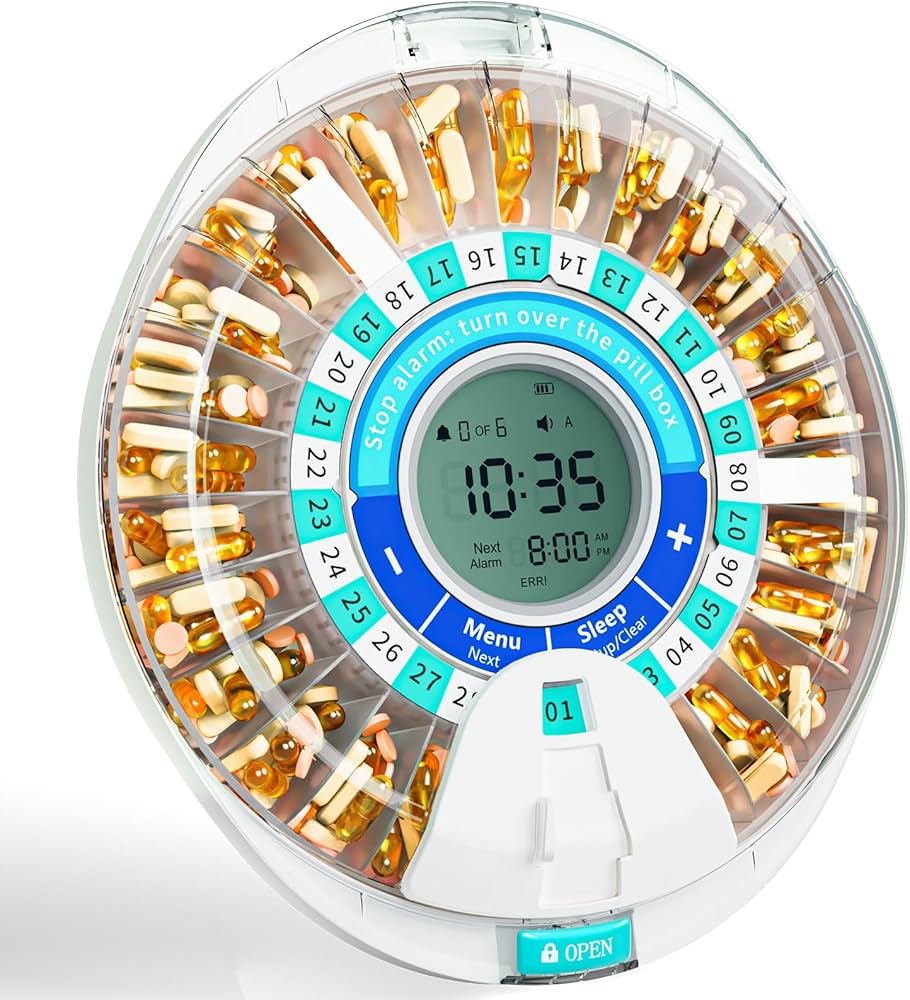
Smart pillboxes are a popular starting point. These devices remind seniors when to take their medication, using visual and auditory alerts. Some smart pillboxes can even dispense the correct dosage automatically. However, the technology is evolving beyond simple reminders. Newer systems use wearable sensors to track whether a medication has been taken, and provide alerts to caregivers if a dose is missed.
The NCBI article on medical device management in the home highlights the importance of usability and integration with existing healthcare workflows. A device is only effective if it’s easy to use and fits seamlessly into a senior’s daily routine. It also needs to be able to share data with healthcare providers, allowing for remote monitoring and proactive interventions. It's not enough to simply remind someone to take their pills; we need to know if they actually did.
I believe we’ll see even more sophisticated medication management systems in the future, perhaps incorporating AI-powered virtual assistants that can answer questions about medications and provide personalized support. The goal is to create a system that is not only reliable but also empowering, helping seniors to maintain control over their health.
- Smart Pillboxes: Dispense medication and provide reminders.
- Wearable Sensors: Track medication adherence.
- Caregiver Alerts: Notify family members of missed doses.
- AI-Powered Assistants: Offer personalized support and answer questions.
Top AI-Powered Health Monitoring Wearables for Seniors in 2026
Advanced fall detection with automatic emergency calls · ECG app for atrial fibrillation detection · Blood oxygen monitoring
The Apple Watch Series 9 offers robust health monitoring features, including sophisticated fall detection and irregular heart rhythm notifications, making it an excellent choice for seniors.
Continuous heart rate tracking · Stress management tools with EDA sensor · Sleep tracking and analysis
Fitbit Sense 2 provides comprehensive health insights, including stress monitoring and sleep analysis, with the added benefit of fall detection for enhanced safety.
Advanced sleep monitoring with sleep score · Pulse Ox sensor for blood oxygen saturation · Heart rate monitoring with irregular rhythm alerts
The Garmin Venu 3 excels in sleep tracking and offers reliable heart rate monitoring with alerts, complemented by fall detection for comprehensive well-being.
Built-in fall detection with automatic alerts · GPS location tracking for emergencies · Two-way voice communication
Designed specifically for seniors, the MGMove offers dedicated safety features like GPS tracking and fall detection, ensuring quick assistance when needed.
Continuous heart rate monitoring · Blood oxygen (SpO2) monitoring · Sleep tracking
The Amazon Halo View is an accessible option that provides essential health metrics like heart rate and blood oxygen, with the potential for fall detection to enhance senior safety.
As an Amazon Associate I earn from qualifying purchases. Prices may vary.
Cognitive Health Monitoring: Early Detection of Changes
One of the most cutting-edge applications of AI in health monitoring is the detection of subtle changes in cognitive function. Early detection of cognitive decline is crucial for maximizing treatment options and improving quality of life. Wearable devices are now being developed that can track speech patterns, reaction times, and activity levels to identify potential early signs of conditions like Alzheimer’s disease.
These systems work by establishing a baseline of an individual’s cognitive performance and then monitoring for deviations from that baseline. For example, changes in speech patterns, such as slower speech or increased pauses, could indicate cognitive impairment. Similarly, a decline in reaction time or a decrease in activity levels could also be warning signs.
I’m not sure about the current state of this technology – it's still in its early stages of development. There are legitimate concerns about false positives and the potential for causing unnecessary anxiety. It’s crucial to avoid alarmism and emphasize the importance of professional diagnosis. These devices should be used as a screening tool, not as a definitive diagnostic tool.
The potential benefits are significant, however. If we can detect cognitive decline early, we can provide interventions that may slow the progression of the disease and help seniors maintain their independence for longer. It’s a promising area of research, but one that requires careful consideration and ethical oversight.
Data Privacy and Security: Protecting Sensitive Health Information
The use of AI-powered health monitoring devices raises important concerns about data privacy and security. These devices collect incredibly sensitive personal information, including vital signs, activity levels, and medication history. Protecting this data from unauthorized access and misuse is paramount.
Data encryption is a fundamental security measure. All data transmitted between the device and the cloud should be encrypted to prevent interception. HIPAA compliance is also essential, particularly for devices used by healthcare providers. This ensures that the data is handled in accordance with strict privacy regulations. It’s vital to choose devices from reputable manufacturers with a proven track record of security.
Transparency is key. Companies should be upfront about how they collect, use, and share data. Users should have control over their data and be able to opt out of data sharing if they choose. It’s also important to be aware of the risks of data breaches and take steps to protect yourself, such as using strong passwords and enabling two-factor authentication.
I feel strongly about advocating for user rights in this area. Seniors are particularly vulnerable to data breaches and identity theft. We need to ensure that they are fully informed about the risks and have the tools and resources to protect themselves. This isn't just about technology; it’s about protecting people’s dignity and autonomy.
- Data Encryption: Protects data during transmission.
- HIPAA Compliance: Ensures adherence to privacy regulations.
- Strong Passwords: Prevents unauthorized access.
- Two-Factor Authentication: Adds an extra layer of security.
The Future of AI Health Monitoring for Seniors: What to Expect
The future of AI health monitoring for seniors is bright, but it's also uncertain. We can expect to see even tighter integration with telehealth platforms, allowing for remote consultations and personalized health recommendations. AI-powered virtual assistants will likely play an increasingly important role, providing ongoing support and guidance. These assistants could answer questions, provide medication reminders, and even offer emotional support.
The rollout of 5G and edge computing will enable more real-time and reliable health monitoring. 5G’s faster speeds and lower latency will allow for seamless data transmission, while edge computing will bring processing power closer to the device, reducing delays and improving responsiveness. This is particularly important for applications that require immediate action, such as fall detection.
Personalized health recommendations will become more sophisticated, taking into account an individual’s unique health profile, lifestyle, and preferences. AI algorithms will be able to identify patterns and predict potential health issues with greater accuracy. This will allow for proactive interventions and personalized treatment plans.
It’s important to temper expectations. There will be challenges along the way, including issues of data privacy, security, and usability. However, the potential benefits are enormous. AI-powered health monitoring has the power to transform the lives of seniors, enabling them to live longer, healthier, and more independent lives.
No comments yet. Be the first to share your thoughts!