

Beyond Fitness Trackers: AI's Role in Senior Health
Edith, my grandmother, cherished her independence. After a fall, the fear of another and a delayed response became a constant worry. A smartwatch with fall detection changed that. It offered not just a device, but peace of mind for her and our family. This is the promise of AI-powered health monitoring for seniors.
AI in health monitoring devices moves beyond simple step counting, offering a more nuanced and proactive approach to senior healthcare. Unlike traditional methods that react to problems after they arise, AI analyzes data continuously, identifying subtle changes that might indicate a developing health issue.
The senior population is growing, increasing the prevalence of age-related conditions like heart disease, diabetes, and dementia. This strains healthcare systems and reduces quality of life for older adults. AI-powered devices can help by enabling early detection, personalized interventions, and remote monitoring.
These devices empower seniors to manage their health and provide healthcare professionals with more data for informed decisions, rather than replacing doctors. They offer a new level of support and independence, acting as potential lifesavers.
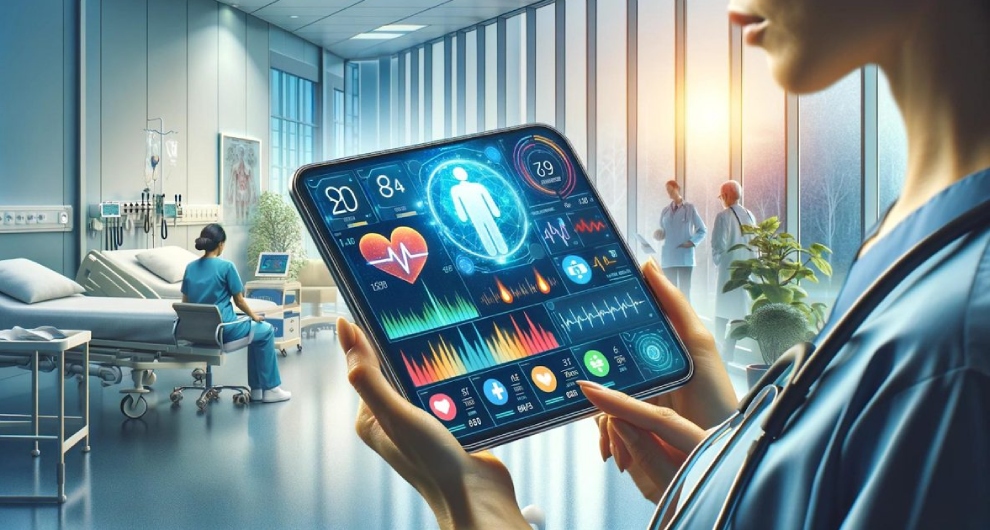
Continuous Glucose Monitors (CGMs) Evolve
Continuous Glucose Monitors (CGMs) have advanced significantly. Originally for intensive insulin therapy, newer CGMs are valuable for seniors with milder diabetes or those at risk of Type 2. AI algorithms are the key advancement.
These algorithms predict glucose fluctuations by analyzing historical data, meal intake, and activity levels. They alert users and caregivers to potential highs or lows before they become dangerous, which is important for seniors less aware of hypoglycemic symptoms.
The Dexcom G7 offers customizable alerts and smartphone app integration. By 2026, CGMs will likely feature more sophisticated AI for automatic insulin adjustment (in compatible devices) or personalized dietary recommendations. Data sharing with family and healthcare providers is becoming standard.
CGMs offer insights into metabolic health beyond diabetes management. Monitoring glucose trends helps seniors make lifestyle changes to improve energy and reduce chronic disease risk. Avoiding frequent finger pricks is also a significant convenience.
Smartwatches: More Than Just Step Counters
Smartwatches have evolved beyond fitness trackers into powerful health monitoring tools. While step counting is still a feature, their value for seniors lies in fall detection, heart rhythm monitoring, and early warning signs of health problems. The Apple Watch leads this space, with increasing competition.
Fall detection is a critical feature. Using accelerometers and gyroscopes, these watches detect sudden impacts and motion changes. If a fall is detected, the watch contacts emergency services or designated family members. While not foolproof and prone to false positives, its life-saving potential is significant.
ECG monitoring is another significant advancement. Smartwatches record electrocardiograms, enabling users to detect irregular heart rhythms like atrial fibrillation, important for seniors at higher stroke risk. AI algorithms analyze ECG data for abnormalities and provide alerts. Manufacturers continuously work to improve sensor reliability.
Challenges with smartwatches include data accuracy and potential 'alert fatigue' from false alarms. AI filters irrelevant data and provides meaningful insights. Future smartwatches will likely incorporate more sophisticated sensors and AI algorithms to improve accuracy and reduce false positives. Integration with telehealth platforms will also be essential.
- Apple Watch Series 9: Offers fall detection, ECG monitoring, and irregular rhythm notifications.
- Fitbit Sense 2: Includes stress management features and skin temperature tracking.
- Samsung Galaxy Watch 6: Provides blood pressure monitoring and body composition analysis.
Featured Products
![Apple Watch Series 8 [GPS + Cellular, 41mm] Starlight Aluminum Case with Starlight Sport Band, M/L (Renewed)](https://m.media-amazon.com/images/I/71jOw9iquHL._AC_UY654_QL65_.jpg)
Fall detection · ECG app · Heart rate monitoring
The Apple Watch Series 8 offers advanced health monitoring, including fall detection and ECG capabilities, making it a vital tool for seniors concerned with safety and independence.
![Samsung Galaxy Watch 7 40mm Bluetooth AI Smartwatch w/Energy Score, Wellness Tips, Heart Rate Tracking, Sleep Monitor, Fitness Tracker, 2024, Cream [US Version, 1Yr Manufacturer Warranty]](https://m.media-amazon.com/images/I/71SZNup1qrL._AC_UY654_QL65_.jpg)
AI-powered wellness tips · Energy Score · Heart rate tracking
The Samsung Galaxy Watch 7 provides personalized AI insights with its Energy Score and wellness tips, alongside comprehensive health tracking for seniors.

Stress management tools · Sleep tracking · ECG app
The Fitbit Sense 2 is recommended for its advanced stress and sleep management features, ECG app, and continuous health monitoring, supporting seniors' well-being.

Fitness tracking · Sleep monitoring · Heart rate monitoring
The Garmin vívosmart 5 is a user-friendly fitness tracker with essential health monitoring features like heart rate and sleep tracking, ideal for seniors seeking simplicity and reliability.

Heart rate tracking · Sleep tracking · Offline maps
The Amazfit Balance 2 offers extensive health tracking, including heart rate and sleep monitoring, with the added benefits of offline maps and exceptional battery life for seniors on the go.
As an Amazon Associate I earn from qualifying purchases. Prices may vary.
AI-Powered Hearing Aids: A Clearer Soundscape
Hearing loss, common among seniors, impacts quality of life. Traditional hearing aids amplify all sounds, overwhelming in noisy environments. AI transforms hearing aid technology with more personalized and intelligent sound processing.
AI algorithms analyze the sound environment, automatically adjusting hearing aid settings to optimize clarity and reduce background noise. This helps in situations like restaurants or crowded gatherings. Some hearing aids can focus on speech direction, improving conversational understanding.
Personalizing sound settings based on an individual's hearing profile is a key development. AI learns user preferences and adjusts the hearing aid for a comfortable, natural sound experience. AI has shown success in distinguishing speech from background noise.
Remote adjustments and telehealth integration are becoming common, allowing audiologists to fine-tune hearing aid settings remotely and eliminating frequent office visits. This offers significant convenience for seniors, especially those in rural areas or with mobility issues.
The Rise of Smart Patches
Smart patches offer a non-invasive alternative to traditional health monitoring. These small, adhesive patches track vital signs like heart rate, respiration rate, skin temperature, and blood oxygen levels continuously. They are discreet and comfortable, ideal for long-term monitoring.
AI algorithms analyze data from smart patches to detect anomalies and potential health issues. A sudden change in respiration rate, for example, could indicate an asthma attack or other respiratory problem, prompting an alert to the user or caregiver.
While new, smart patches have potential for direct-through-skin medication delivery, useful for managing chronic conditions like pain or Parkinson's disease. This application remains in early development.
Widespread adoption of smart patches may depend on cost and data security concerns. Their convenience and less intrusive monitoring compared to traditional wearables are significant advantages.
AI-Powered Health Monitoring Devices: A Comparison for Seniors (2026)
| Device Type | Ease of Use | Data Accuracy & Features | Comfort & Discretion | Cost & Maintenance |
|---|---|---|---|---|
| Smart Patches | Generally very easy; often single-use and require minimal setup. Application can be assisted if dexterity is a concern. | Excellent for specific, targeted biometrics (e.g., ECG, temperature, hydration). AI algorithms can detect anomalies, but feature set is limited to monitored parameters. | Designed for discreet wear, often smaller and less noticeable than watches. Adhesive can sometimes cause skin irritation for sensitive individuals. | Typically lower upfront cost per device, but ongoing cost due to disposable nature. Subscription services may apply for data analysis and alerts. |
| Smartwatches | Variable; interface complexity differs between brands. Larger screens and customizable features can be beneficial, but can also be overwhelming. Voice control is becoming more prevalent. | Comprehensive data collection – heart rate, activity, sleep, fall detection, and increasingly, blood oxygen and ECG. AI enables more sophisticated analysis and personalized insights. | Bulkier than patches, potentially less comfortable for 24/7 wear. Band materials vary in breathability and may cause irritation. | Higher upfront cost, but generally reusable. Potential for additional costs for premium features or cellular connectivity. |
| Continuous Glucose Monitors (CGMs) | Requires a small sensor inserted under the skin, and a transmitter. Initial setup may require assistance. Modern CGMs are becoming more user-friendly. | Gold standard for glucose monitoring. AI algorithms predict glucose trends and provide alerts for high/low levels, crucial for diabetes management. | Sensor insertion can cause minor discomfort. Transmitters are relatively small, but visible. Some systems offer discreet wearable options. | Significant ongoing cost due to sensor replacements. Requires a prescription and often, insurance coverage. Transmitter has a limited lifespan. |
| Hybrid Smartwatches (with Patch Compatibility) | Combines smartwatch features with the ability to integrate data from disposable smart patches. | Offers the broadest range of data – smartwatch metrics *plus* targeted data from patches (e.g., ECG alongside activity levels). AI can correlate data from multiple sources. | Comfort level depends on both the watch and the patch. Potential for bulkiness if both are worn simultaneously. | Highest potential cost, as it includes both the smartwatch investment and the ongoing cost of patches. |
| AI-Enabled Clothing | Designed for ease of wear, resembling regular clothing. Minimal user interaction required after initial setup. | Focuses on vital signs like heart rate, respiration rate, and activity levels. AI analyzes patterns to detect subtle changes indicating potential health issues. | High comfort level, as sensors are integrated into fabric. Discretion is a key benefit. | Currently, cost is relatively high due to the specialized manufacturing process. Durability and washability are important considerations. |
Illustrative comparison based on the article research brief. Verify current pricing, limits, and product details in the official docs before relying on it.
AI Chatbots and Remote Monitoring
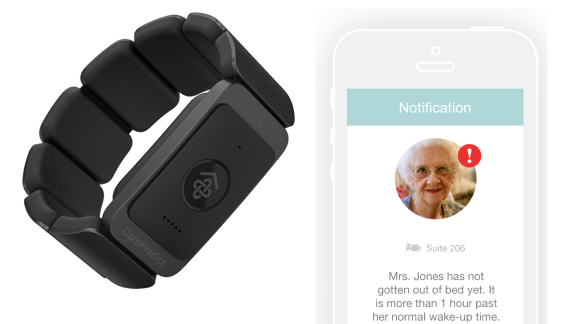
AI chatbots integrated with health monitoring devices offer personalized support for seniors. They answer health questions, provide medication reminders, offer emotional support, and connect users with healthcare professionals.
undefined tailored to individual needs. This is a key point – a one-size-fits-all approach won't work.
Remote monitoring, enabled by these devices and chatbots, allows caregivers and healthcare providers to track a senior's health status from a distance. This can be particularly valuable for seniors who live alone or have limited mobility. It also provides peace of mind for family members.
I believe this is where we’ll see some of the most significant developments in the next few years. AI chatbots will become more sophisticated, capable of providing more personalized and proactive support. They’ll also be able to integrate with other healthcare services, creating a seamless and connected experience.
Data Privacy and Security: A Critical Consideration
The increasing use of AI-powered health monitoring devices raises important concerns about data privacy and security. These devices collect sensitive personal health information, which could be vulnerable to hacking or misuse. It’s vital to be aware of these risks and take steps to protect your data.
Choosing devices from reputable companies with strong security protocols is crucial. Look for companies that are transparent about their data collection practices and that comply with relevant regulations, such as HIPAA. Data encryption is also essential – ensuring that your data is scrambled and unreadable to unauthorized users.
Be cautious about sharing your data with third-party apps or services. Read the privacy policies carefully and understand how your data will be used. Consider using strong passwords and enabling two-factor authentication to protect your accounts.
It’s also important to understand that no security system is foolproof. There’s always a risk of a data breach. However, by taking appropriate precautions, you can significantly reduce your risk and protect your personal health information.
Looking Ahead: What to Expect in 2026 and Beyond
The field of AI-powered health monitoring for seniors is evolving rapidly. By 2026, we can expect to see even more personalized and proactive healthcare solutions. Devices will become smaller, more accurate, and more seamlessly integrated into our daily lives.
I anticipate that AI algorithms will become even more sophisticated, capable of predicting health problems before they even manifest. This will allow for earlier interventions and improved outcomes. The integration of virtual reality and augmented reality could also play a role, providing immersive and engaging health experiences.
We’ll likely see the development of more closed-loop systems, where AI algorithms automatically adjust treatment based on real-time data. For example, a smart insulin pump that automatically adjusts dosage based on glucose levels. The challenge will be ensuring the safety and reliability of these systems.
Ultimately, the goal is to help seniors age in place more safely and independently. AI-powered health monitoring devices have the potential to empower older adults to live longer, healthier, and more fulfilling lives. We’re only scratching the surface of what’s possible, and I'm optimistic about the future of this technology.
No comments yet. Be the first to share your thoughts!