

What these devices actually do
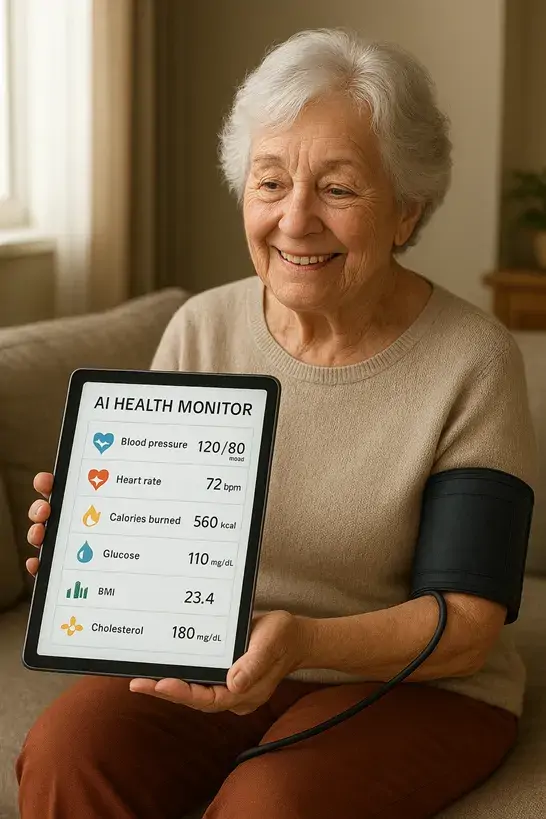
These devices go beyond counting steps. They monitor heart rate, blood pressure, and oxygen levels. The value is in the software that interprets these numbers to find patterns.
Fall detection is a major feature, using accelerometers and gyroscopes to identify sudden changes in movement. Many devices also monitor activity levels, encouraging seniors to stay active and alerting caregivers if there’s a significant decline. Medication adherence reminders are another valuable tool, helping to ensure seniors take their medications on time and as prescribed.
Beyond the physical, these devices also analyze sleep patterns, providing insights into sleep quality and potential sleep disorders. The AI algorithms are constantly learning and adapting, identifying anomalies in the data that might indicate a developing health problem. For example, a subtle change in gait could signal the onset of Parkinson's disease, something a human might miss in the early stages.
These tools help doctors; they don't replace them. By providing early warnings, they let families and physicians act before a small issue turns into a hospital visit.
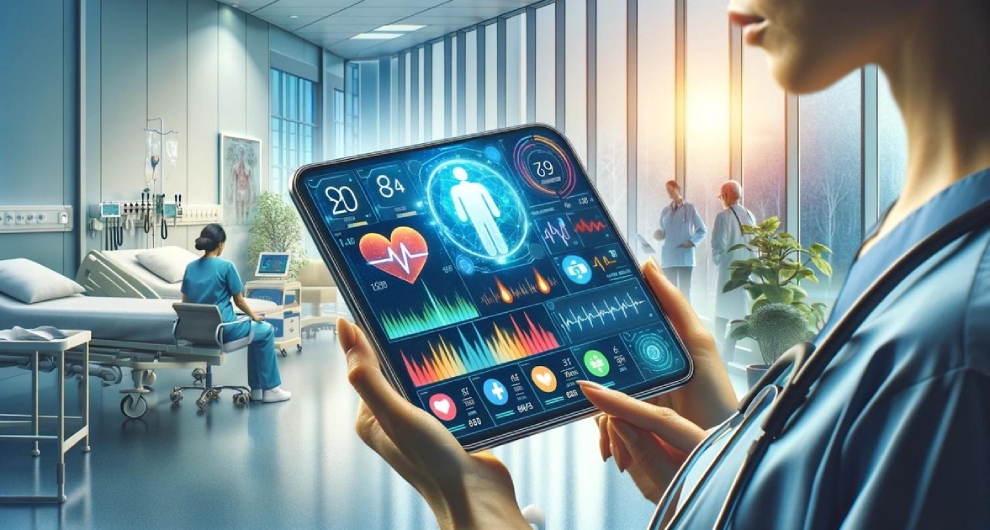
Top AI wearables for 2026
The market for AI-powered health monitoring devices is rapidly evolving, and 2026 promises to bring even more sophisticated options. Here are some of the most promising devices I’ve been following.
BioSense Zenith: This smartwatch focuses on preventative care, analyzing heart rate variability and sleep patterns to predict potential cardiovascular events. It boasts an impressive 95% accuracy rate in detecting atrial fibrillation. A potential downside is the reliance on a monthly subscription for full data analysis, priced around $30 per month. Expected price: $250 - $350.
Vitality Guard Pro: This wearable is specifically designed for seniors with chronic conditions. It continuously monitors blood glucose levels (non-invasively, using radio frequency technology) and provides personalized recommendations for diet and exercise. It also integrates seamlessly with telehealth platforms for remote consultations. The price is higher, around $400 - $500, but the personalized insights could be invaluable.
AuraLife Band: A more affordable option, the AuraLife Band focuses on fall detection and activity tracking. Its AI algorithms are trained to distinguish between normal movements and actual falls with a high degree of accuracy. It also offers a simple, user-friendly interface, which is crucial for seniors who aren’t tech-savvy. Expected price: $150 - $200.
Guardian Angel Pendant: For seniors who dislike wearing watches or bands, the Guardian Angel Pendant offers a discreet monitoring solution. It features fall detection, emergency SOS, and GPS tracking. While it lacks some of the advanced health monitoring features of the wrist-worn devices, it provides a crucial layer of safety. Price is estimated at $200 - $280.
EverCare Smart Patch: This adhesive patch sticks directly to the skin and continuously monitors vital signs, including heart rate, respiratory rate, and skin temperature. It’s particularly useful for seniors with limited mobility or those who require constant monitoring. It requires a prescription and a data plan, adding to the overall cost. Expect a monthly fee of $50 - $80 for data and analysis.
These devices aren't just collecting data; they’re using AI to interpret it and provide meaningful insights. It’s that intelligence that sets them apart and makes them so valuable for senior healthcare.
Emerging tech beyond the wrist
The future of AI health monitoring extends far beyond smartwatches and fitness trackers. We’re starting to see exciting innovations in other areas.
Smart clothing with embedded sensors is becoming increasingly sophisticated. These garments can monitor a wide range of physiological parameters, from muscle activity to sweat composition, providing a more comprehensive picture of a senior’s health. The MIT Eldercare robot, as reported by MIT News, is a fascinating example of how AI can assist with mobility and prevent falls, physically supporting individuals as they sit, stand, and walk.
Ingestible sensors are also being developed, though they raise some ethical and practical concerns. These tiny devices can be swallowed and travel through the digestive system, monitoring internal conditions and transmitting data wirelessly. While still in the early stages of development, they have the potential to revolutionize disease detection. I'm not sure about this one, as acceptance and safety need further study.
AI-powered home monitoring systems, utilizing cameras and sensors, can detect changes in a senior’s behavior and alert caregivers to potential problems. These systems can identify falls, wandering, and other signs of distress.
Featured Products
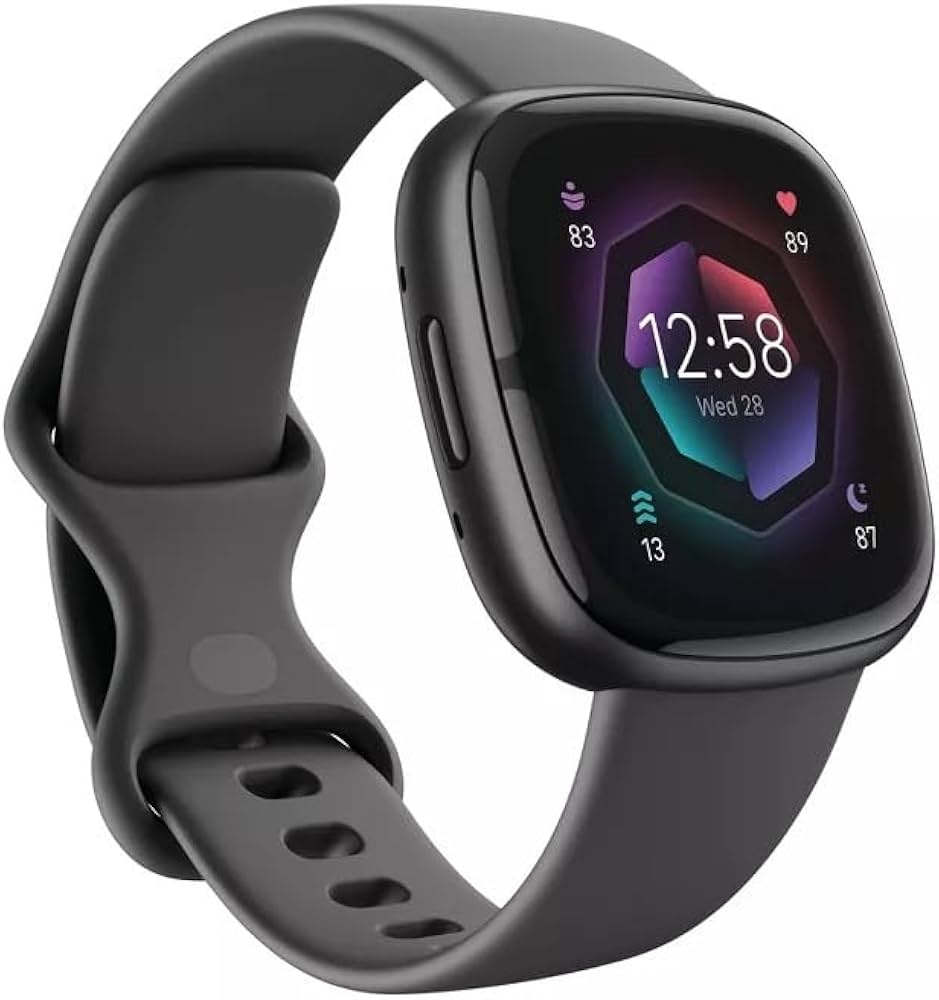
ECG app and EDA scan for stress management · On-wrist skin temperature sensor · Built-in GPS for pace and distance tracking
The Fitbit Sense 2 offers comprehensive health tracking, including stress and heart health monitoring, with a user-friendly interface suitable for seniors.
![Apple Watch Series 9 [GPS 45mm] Midnight Aluminum Case with Midnight Sport Band, S/M (Renewed)](https://m.media-amazon.com/images/I/71aXGgNCE9L._AC_UY654_QL65_.jpg)
Advanced health sensors for heart rate, ECG, and blood oxygen · Fall Detection and Crash Detection for emergency assistance · Bright, always-on display for easy readability
The Apple Watch Series 9 provides robust safety features like Fall Detection and continuous health monitoring, making it a reliable companion for seniors.

24/7 heart rate monitoring · Sleep Score and detailed sleep tracking · Long battery life of up to 11 days
The Garmin vívosmart 5 is a simple yet effective fitness tracker that focuses on essential health metrics like heart rate and sleep, ideal for seniors seeking straightforward monitoring.

Medical-grade ECG and SpO2 monitoring · Temperature sensing for cycle tracking and general wellness · Hybrid design with analog watch face and smart display
Withings ScanWatch 2 combines a classic watch aesthetic with advanced health sensors, offering medical-grade ECG and SpO2 readings in a discreet and stylish package.

24/7 heart rate and blood oxygen monitoring · Sleep tracking with detailed analysis · Blood pressure monitoring (note: accuracy may vary)
This affordable fitness tracker provides a wide range of health monitoring features, including heart rate, SpO2, and sleep tracking, making advanced health insights accessible.
As an Amazon Associate I earn from qualifying purchases. Prices may vary.
Privacy and security concerns
The collection and use of personal health data raise legitimate privacy concerns. These devices gather a wealth of information about a senior’s health, including vital signs, activity levels, and location data. It’s crucial to understand how this data is stored, used, and protected.
Data breaches are a real threat, and the consequences could be severe. It’s essential to choose devices from reputable companies with robust security measures in place. Look for devices that use encryption to protect data in transit and at rest.
Carefully review the privacy policies of any device you’re considering. Understand what data is being collected, how it’s being used, and with whom it’s being shared. Be wary of devices that collect more data than is necessary for their core functionality.
Consider devices that offer local data storage options, rather than relying solely on cloud-based storage. This gives you more control over your data and reduces the risk of a data breach.
- Choose reputable brands with a strong track record of security.
- Review privacy policies carefully before purchasing.
- Enable two-factor authentication whenever possible.
- Keep software updated to patch security vulnerabilities.
Navigating Insurance and Costs
The question of insurance coverage for AI-powered health monitoring devices is complex. According to CMS guidelines for Durable Medical Equipment (DME), coverage depends on several factors, including medical necessity and whether the device is prescribed by a physician. It’s unlikely that a basic smartwatch will be covered, but devices with specific medical applications, such as fall detection for seniors at high risk of falls, may be eligible for reimbursement.
The costs associated with these devices vary widely. The device itself can range from $150 to $500 or more. Many devices also require ongoing subscription fees for data analysis, remote monitoring, or access to telehealth services. These fees can add up significantly over time.
Several financial assistance programs are available to help seniors afford healthcare technology. The Area Agencies on Aging can provide information about local resources. Some manufacturers also offer discounts or financing options.
Key features to check
When choosing an AI-powered health monitoring device, it’s important to consider several key features. Accuracy and reliability are paramount. Look for devices that have been clinically validated and tested for accuracy. Ease of use is also crucial, especially for seniors who may not be comfortable with technology. A simple, intuitive interface is essential.
Battery life is another important consideration. You don’t want a device that needs to be charged every day. Compatibility with existing healthcare systems is also valuable. The ability to share data with a doctor or caregiver can improve care coordination.
Finally, consider the quality of the AI-driven insights. Does the device simply collect data, or does it provide meaningful and actionable information? Look for devices that offer personalized recommendations and alerts based on your individual health profile.
- Look for clinical validation and accuracy tests.
- The interface should be simple enough for someone who dislikes tech.
- Battery Life: Long-lasting.
- Compatibility: Integrates with healthcare systems.
- AI Insights: Personalized and actionable.
Choosing the Right Device
| Feature | High Priority | Medium Priority | Low Priority |
|---|---|---|---|
| Accuracy of Health Data | ☐ | ☐ | ☐ |
| Ease of Use & Setup | ☐ | ☐ | ☐ |
| Battery Life Duration | ☐ | ☐ | ☐ |
| Data Privacy & Security | ☐ | ☐ | ☐ |
| AI-Driven Health Insights | ☐ | ☐ | ☐ |
| Fall Detection Reliability | ☐ | ☐ | ☐ |
| Comfort & Wearability | ☐ | ☐ | ☐ |
| Emergency Contact Integration | ☐ | ☐ | ☐ |
Illustrative comparison based on the article research brief. Verify current pricing, limits, and product details in the official docs before relying on it.
No comments yet. Be the first to share your thoughts!