

Beyond Fall Detection: AI’s New Role in Senior Health
My grandmother, Beatrice, always valued her independence. After a fall last year, the fear of it happening again worried her. It wasn’t the injury, but the feeling of losing control. Her daughter introduced her to a smart wearable that detected falls, monitored her gait, and alerted the family to subtle balance changes. It’s made a world of difference to her safety and peace of mind.
Senior healthcare has largely been reactive, addressing health issues after they arise. Now, a shift towards proactive care is underway, with artificial intelligence at its core. AI devices are moving beyond simple step counting and fall detection to offer continuous monitoring and early warnings of potential health problems.
This transition is important as the number of adults aged 65 and over grows rapidly, increasing the prevalence of chronic conditions like heart disease, diabetes, and dementia. This strains healthcare systems and caregivers, often overwhelming families. Technology for seniors is no longer just about convenience; it’s about maintaining quality of life and easing burdens.
The following devices represent advancements in AI health monitoring. We’ll look at how they work, what they offer, and what real users say about their experiences. We’ll focus on what’s available as of late 2026.
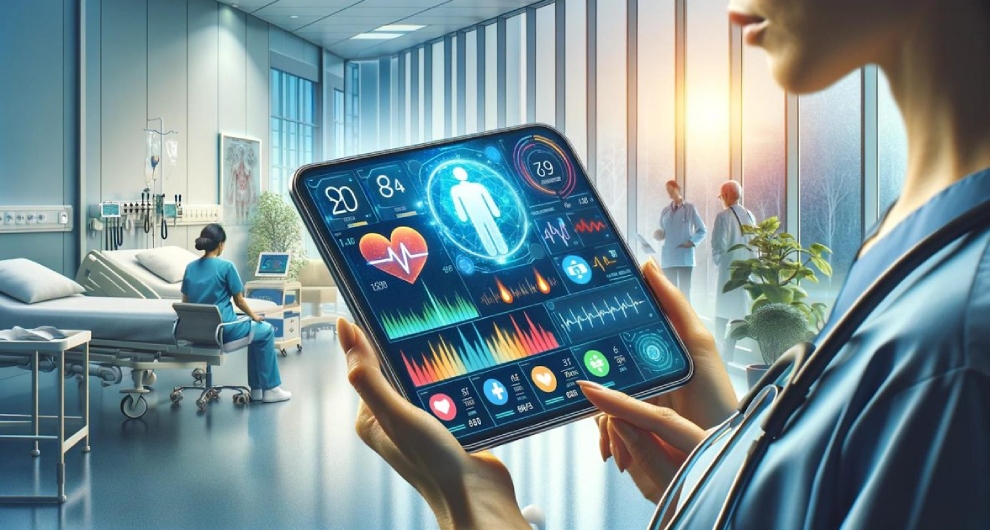
The Top 6 AI Health Wearables of 2026
Choosing the right AI health wearable depends on individual needs. Here are six top contenders, based on features, accuracy, user feedback, and expert reviews.
1. KardiaSense Pro: This FDA-cleared device focuses on heart health. It’s a small, portable EKG monitor that can detect atrial fibrillation (AFib), a common heart rhythm disorder that increases stroke risk. Users simply hold the device for 30 seconds, and the results are available on their smartphone via the Kardia app. Users report a high degree of accuracy compared to clinical EKGs, and appreciate the ease of use. It costs around $299, and isn't typically covered by insurance.
2. VitalMotion Sensor: Unlike traditional smartwatches, VitalMotion isn’t worn on the wrist. Instead, it's a small sensor worn on the chest that uses AI to analyze movement patterns. It can detect subtle changes in gait, balance, and activity levels, providing early warnings of potential falls or mobility issues. Clinical studies have shown it to be 95% accurate in predicting falls, which is a significant improvement over existing fall detection technology. The sensor costs $349 and requires a $29.99 monthly subscription for data analysis and alerts.
3. SleepScore Max: Quality sleep is essential for overall health, and SleepScore Max uses AI to provide detailed insights into sleep patterns. It tracks heart rate variability, respiratory rate, and movement to assess sleep stages and identify potential sleep disorders. Users appreciate the personalized recommendations for improving sleep hygiene. It retails for $199 and often integrates with other health apps.
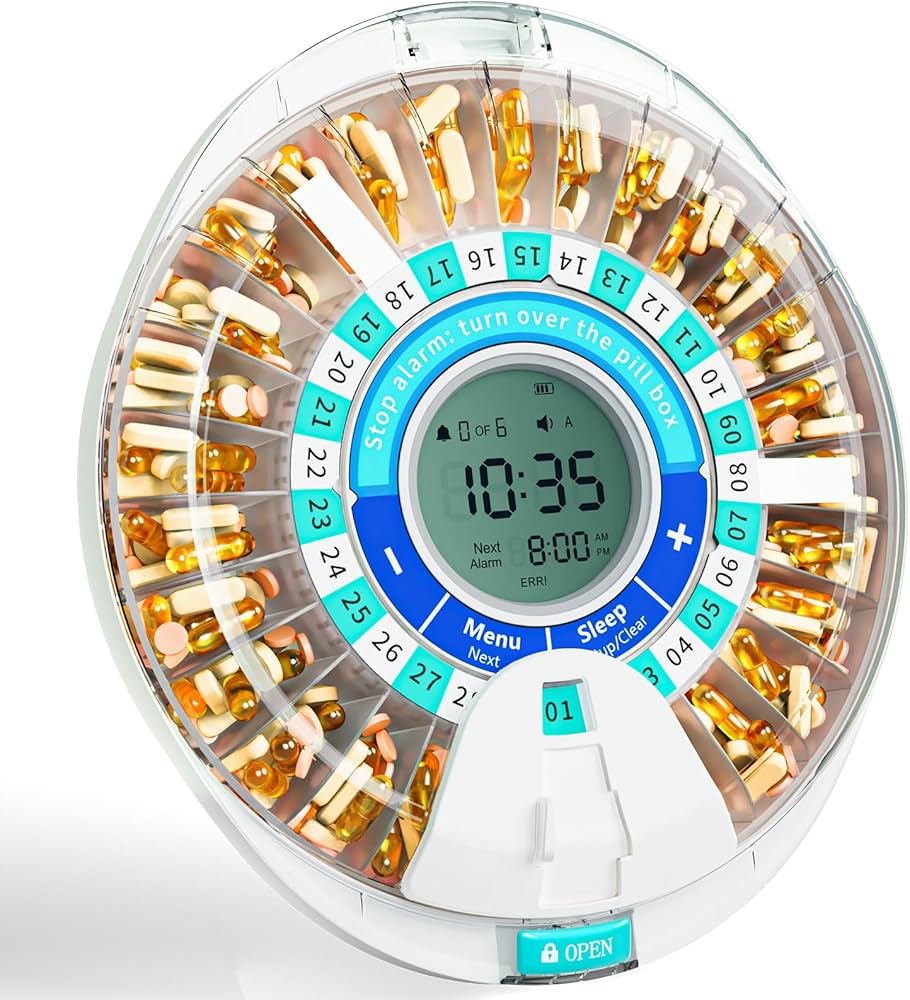
4. MedMinder Plus: Medication adherence is a major challenge for seniors, and MedMinder Plus aims to solve that problem. This smart pill dispenser reminds users to take their medications on time and automatically alerts caregivers if a dose is missed. It also tracks medication levels and sends refill reminders. While the device itself costs $149, it requires a monthly subscription of $39.99 for cellular connectivity and monitoring services.
5. BioStamina: This wearable focuses on continuous glucose monitoring for seniors with diabetes. It uses a non-invasive sensor to track blood sugar levels without the need for finger pricks. The data is transmitted to a smartphone app, where users can view trends and share information with their doctor. It’s priced at $249, and requires ongoing sensor purchases.
6. Aura Wear: Aura Wear is a comprehensive health tracker that combines heart rate monitoring, activity tracking, sleep analysis, and fall detection. It's designed to be user-friendly, with a simple interface and clear alerts. While it doesn’t have the same level of clinical validation as some other devices, users report that it's a reliable and versatile option. It costs $179 and offers a premium subscription for advanced features.
Featured Products

Stress Management Tools · ECG App · SpO2 Monitoring
This smartwatch provides seniors with advanced tools to manage stress and sleep, alongside critical heart health monitoring, offering a holistic view of well-being.
![Apple Watch Series 9 [GPS 41mm] Starlight Aluminum Case with Starlight Sport Band, S/M (Renewed)](https://m.media-amazon.com/images/I/51lsjTohyiL._AC_UY654_QL65_.jpg)
Heart Rate Monitoring · Fall Detection · ECG Capabilities
The Apple Watch Series 9 provides seniors with robust health monitoring, including fall detection and ECG, integrated into a user-friendly and familiar ecosystem.

SpO2 Monitoring · Stress Tracking · Sleep Monitoring
This fitness tracker offers seniors essential health insights like SpO2 and sleep tracking in a simple, easy-to-use device with extended battery life.

ECG Monitoring · SpO2 Monitoring · Sleep Stage Analysis
With its long battery life and comprehensive health metrics including ECG and SpO2, the ScanWatch 2 offers seniors continuous, discreet health oversight.

18-Day Battery Life · 24H Heart Rate Monitoring · SpO2 Monitoring
This budget-friendly tracker provides seniors with essential 24/7 heart rate and SpO2 monitoring, along with long battery life and convenient voice control.
As an Amazon Associate I earn from qualifying purchases. Prices may vary.
Decoding the Data: What Seniors (and Families) Need to Know
These devices generate data, but raw numbers can be overwhelming. Understanding what the data means is important for making health decisions. For example, a resting heart rate between 60 and 100 beats per minute is generally normal, but significant deviations could indicate a problem. Healthy sleep patterns involve spending a certain percentage of time in each sleep stage – deep sleep, light sleep, and REM sleep.
Most devices come with companion apps that present data clearly. Many offer personalized insights and recommendations. Family members can often access the data, staying informed and providing support. However, these devices are not substitutes for professional medical advice.
Sharing data with a physician is essential. They can interpret it within the individual’s health history and identify potential concerns. Be aware of data privacy and security. Choose devices from reputable manufacturers with strong data encryption and privacy policies. Understand how your data is used and shared.
The learning curve can be steep for some seniors. Provide adequate training and support. Start with basics and gradually introduce advanced features. Patience and encouragement are key. Check if local senior centers or community organizations offer classes on using these devices.
Beyond the Wrist: AI in Smart Home Health
AI health monitoring isn’t limited to wearables. Smart home sensors offer protection and support. Sensors can be placed throughout the home to monitor activity patterns, detect falls, and alert caregivers. Motion sensors can track when a senior gets out of bed, goes to the bathroom, or leaves the house.
The Eldercare robot developed at MIT News is a promising example. This robot can assist with tasks like sitting and standing, and it’s designed to catch people if they fall. While still in development, it shows the potential of robotics to enhance senior care. These systems can learn a senior's routines and alert caregivers to significant deviations that might indicate a problem.
Integrating these devices with smart home systems allows for even greater automation and personalization. For example, the lights could automatically turn on when a senior gets out of bed at night, reducing the risk of falls. The thermostat could be adjusted to maintain a comfortable temperature. Voice assistants could be used to provide reminders and answer questions.
Privacy is a major concern with in-home monitoring. It’s important to choose systems that prioritize data security and allow users to control what data is collected and shared. Clear communication with the senior and their family is also essential to address any concerns and ensure that everyone feels comfortable with the technology.
Navigating Insurance and Costs
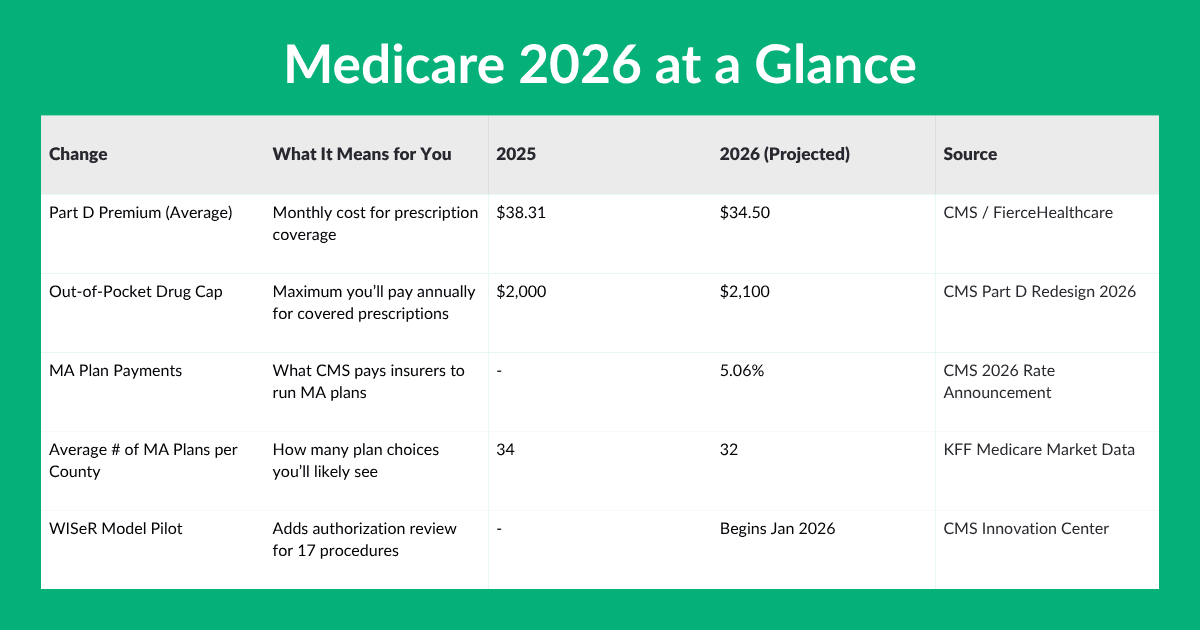
The cost of these devices can be a significant barrier for many seniors. Unfortunately, Medicare coverage is often limited. Some devices, such as certain cardiac monitors, may be covered under specific circumstances, but it typically requires a prescription and documentation of medical necessity.
Durable Medical Equipment (DME) codes are used to identify medical equipment that is covered by Medicare. According to CMS.gov, the documentation requirements for reimbursement can be complex and vary depending on the device and the individual’s needs. It's often necessary to provide a letter of medical necessity from a physician, along with detailed information about the patient’s condition and how the device will improve their health.
Private insurance coverage also varies widely. It’s important to check with your insurance provider to determine what is covered and what documentation is required. Some employers offer wellness programs that may cover the cost of certain health monitoring devices.
There are also a number of financial assistance programs available to help seniors afford healthcare costs. These programs may be offered by government agencies, non-profit organizations, or pharmaceutical companies. A social worker or benefits counselor can provide information about available resources.
The Future of AI Health: What’s on the Horizon?
The field of AI health monitoring is evolving rapidly. We can expect to see even more sophisticated sensors and algorithms in the years to come. For example, researchers are developing sensors that can analyze sweat to detect biomarkers for various diseases. AI algorithms are also becoming more adept at predicting health risks based on patterns in the data.
Personalized healthcare is another key trend. AI will enable doctors to tailor treatment plans to the individual’s unique needs and characteristics. Remote diagnostics will also become more common, allowing seniors to receive care from the comfort of their own homes. The development of more accurate and reliable sensors is critical to realizing this vision.
However, it’s important to address the ethical considerations associated with AI in healthcare. Data privacy, algorithmic bias, and the potential for job displacement are all important concerns. It’s crucial to develop ethical guidelines and regulations to ensure that AI is used responsibly and equitably.
We’re likely to see greater integration of AI health monitoring devices with other technologies, such as telehealth platforms and electronic health records. This will create a more seamless and coordinated healthcare experience. While predicting the future is always difficult, the potential of AI to improve the health and well-being of seniors is immense.
Standout Devices: A Closer Look
From the roundup, the VitalMotion sensor and the KardiaSense Pro stand out for their clinical validation and potential to deliver significant health benefits. The VitalMotion sensor’s ability to predict falls with 95% accuracy is particularly impressive. It addresses a major concern for seniors and their families, and offers a proactive approach to fall prevention.
The KardiaSense Pro is a valuable tool for anyone concerned about their heart health. Its FDA clearance and ease of use make it a reliable and accessible option for monitoring atrial fibrillation. User testimonials consistently praise its accuracy and convenience. Both devices require an upfront investment, but the potential return on investment – in terms of improved health and reduced healthcare costs – could be significant.
However, it’s important to remember that these devices are not one-size-fits-all solutions. The best device for a particular individual will depend on their specific needs and priorities. It’s essential to do your research, talk to your doctor, and choose a device that is right for you.
Ultimately, the goal of AI health monitoring is to empower seniors to live longer, healthier, and more independent lives. By providing continuous monitoring, early warnings, and personalized insights, these devices can help seniors stay in control of their health and maintain their quality of life.
AI Health Device Considerations
- Accuracy - The device’s ability to reliably measure vital signs (heart rate, blood pressure, oxygen saturation, etc.) is paramount. Look for devices cleared by regulatory bodies like the FDA.
- Ease of Use - Devices should have simple interfaces, large displays, and intuitive operation, considering potential dexterity or vision challenges.
- Battery Life - Consistent monitoring requires a device with sufficient battery life, ideally lasting several days between charges. Consider charging options – wireless charging can be helpful.
- Data Privacy - Understand how the device collects, stores, and shares health data. Ensure the manufacturer has robust security measures and complies with privacy regulations like HIPAA.
- Fall Detection & Emergency SOS - Many devices now include fall detection, automatically alerting emergency contacts or services. Confirm reliable detection and a clear SOS process.
- Integration with Healthcare Providers - The ability to share data with a senior’s doctor or caregiver can improve care coordination. Check for compatibility with existing healthcare systems.
- Cost & Subscription Fees - Consider the initial purchase price and any ongoing subscription costs for data storage, advanced features, or emergency services. The Lively Mobile Plus is an example of a device with a monthly fee.
- Comfort & Wearability - The device should be comfortable to wear for extended periods. Consider weight, strap material, and adjustability. The Fitbit Luxe is known for its slim design.
No comments yet. Be the first to share your thoughts!