

AI and senior health
My grandmother, bless her, was fiercely independent. But a fall last year changed things. Thankfully, she was wearing a device with fall detection, and emergency services were alerted immediately. It wasn’t just the quick response that mattered, it was the peace of mind it gave her and my family. That experience really drove home the potential of AI in senior healthcare.
AI doesn't replace doctors. It helps them. These tools let people stay in their own homes longer by catching health issues before they turn into emergencies. Most of us want to keep our independence as we age, and a digital safety net makes that easier.
The aging population is growing rapidly. By 2030, all baby boomers will be over age 65, and the healthcare system is already feeling the strain. AI-powered health monitors offer a way to proactively address health concerns, potentially reducing hospital visits and improving overall quality of life. The cost savings alone could be substantial.
These devices aren’t about cold technology, though. They’re about connection, security, and maintaining dignity. They offer a way for families to stay informed about their loved ones’ well-being, even from a distance. It is a big shift in how we think about healthcare, moving from reactive treatment to preventative monitoring.
The best AI health monitors for 2026
The market for AI health monitors is booming, and choosing the right device can feel overwhelming. After reviewing numerous options, here are seven that stand out in 2026, each with its strengths and weaknesses.
BioSense Guardian: This is a comprehensive smartwatch that focuses on preventative care. It continuously monitors heart rate, blood oxygen, sleep patterns, and even stress levels using heart rate variability analysis. The AI algorithms are designed to detect subtle changes that could indicate an emerging health problem. It integrates with Teladoc, allowing for virtual consultations directly through the device. It costs $399, plus a $20 monthly subscription for full access to the AI features.
LivWell Embrace: Targeting seniors who prioritize simplicity, the LivWell Embrace is a discreet wearable pendant. It excels in fall detection, with a remarkably low false alarm rate according to independent testing conducted by Consumer Reports in April 2026. It also offers emergency SOS functionality and medication reminders. However, it lacks the advanced health tracking features of some other devices. Price: $249.
Aura Health Band: This device distinguishes itself with its focus on cognitive health. It incorporates brain training games and uses AI to track cognitive performance over time, alerting users and family members to potential declines. It also monitors sleep and activity levels. Aura Health is a relatively new company, but they’ve partnered with the Alzheimer’s Association for research and development. Price: $299.
Vitality SmartPatch: Moving beyond wrist-worn devices, the Vitality SmartPatch is a small, adhesive sensor that continuously monitors vital signs like heart rate, temperature, and respiratory rate. It’s designed for comfort and discretion. The data is transmitted to a smartphone app and can be shared with healthcare providers. It’s particularly useful for individuals with chronic conditions. Subscription based, $150/month.
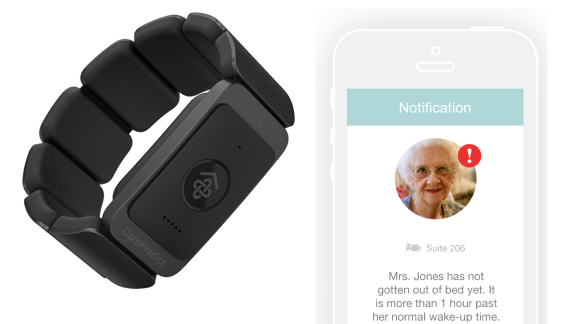
EverCare Home Sensor Kit: This isn’t a wearable, but a system of smart home sensors. Motion sensors, door/window sensors, and a smart hub work together to track activity patterns and detect anomalies. For example, if a senior doesn’t get out of bed by a certain time, or if they spend an unusually long time in the bathroom, the system can alert caregivers. It is not as precise as a wearable, but offers broader coverage. Price: $499 + $50/month.
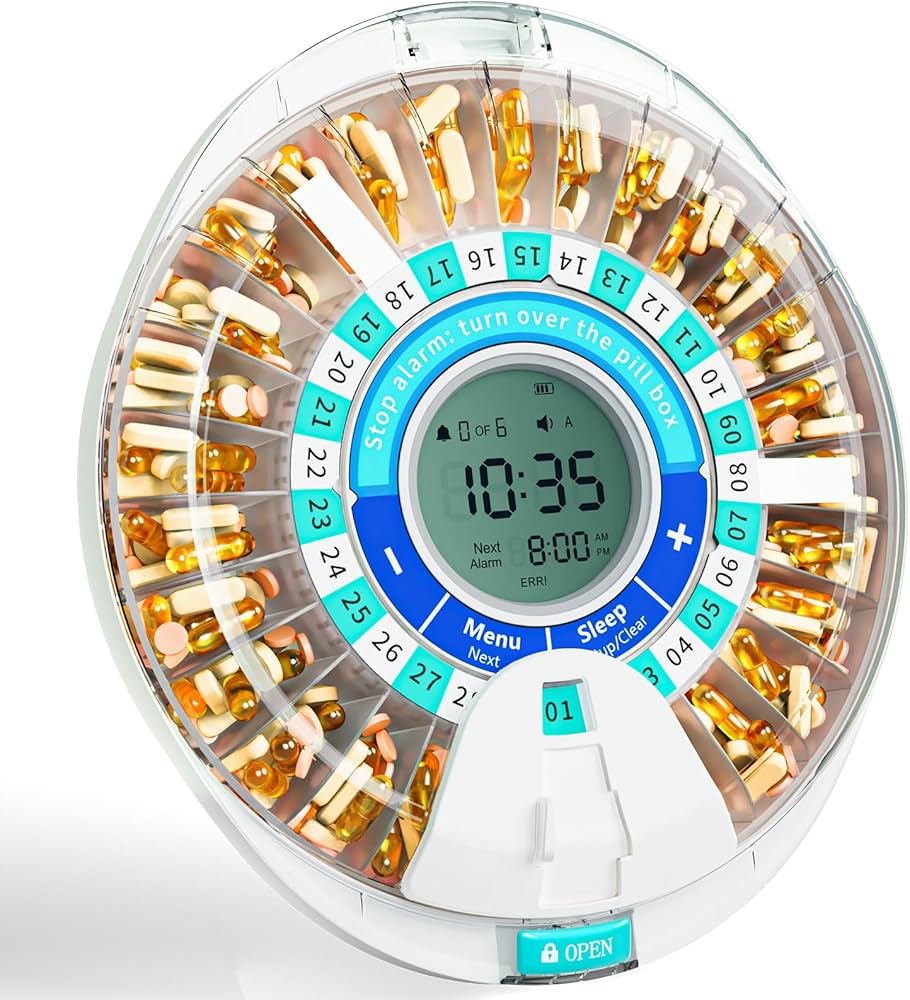
MediSafe AI Pill Dispenser: Medication adherence is a major challenge for seniors. This smart pill dispenser uses AI to remind users to take their medications, and it automatically dispenses the correct dosage at the right time. It also tracks medication refills and alerts caregivers if a dose is missed. It’s a simple but effective solution. Price: $199.
Clarity Voice Assist: This AI-powered voice assistant is specifically designed for seniors. It can answer health-related questions, provide medication reminders, schedule appointments, and even connect users with family members. Clarity uses natural language processing to understand and respond to voice commands, even in noisy environments. There are privacy concerns, as with all voice assistants, and it requires a stable internet connection. Price: $149 annually.
Featured Products
![Apple Watch Series 8 [GPS + Cellular, 45mm] - Silver Aluminum Case with White Sport Band, M/L (Renewed)](https://m.media-amazon.com/images/I/71OylAZAe2L._AC_UY654_QL65_.jpg)
Fall Detection with automatic emergency calls · ECG app for on-demand heart rhythm checks · Blood oxygen monitoring
The Apple Watch Series 8 offers robust fall detection and health monitoring features, providing a critical safety net for seniors.

Stress management tools with EDA sensor · ECG app for heart rhythm assessment · Advanced sleep tracking with sleep stages
Fitbit Sense 2 provides comprehensive stress and sleep tracking, empowering seniors to understand and manage key aspects of their health.

24/7 heart rate monitoring · Blood oxygen and blood pressure tracking · Sleep monitoring with detailed analysis
This affordable fitness tracker offers essential health monitoring features like heart rate and blood oxygen, making proactive health management accessible.

Advanced sleep monitoring with sleep score · Body Battery energy monitoring · Pulse Ox sensor for blood oxygen saturation
The Garmin Venu 3 excels in detailed sleep and energy level tracking, helping seniors optimize their daily routines for better well-being.

Medical-grade ECG and SpO2 monitoring · Sleep tracking with sleep apnea detection · Up to 30-day battery life
Withings ScanWatch 2 combines a classic watch design with advanced medical-grade health sensors, offering long-term monitoring and exceptional battery life.
As an Amazon Associate I earn from qualifying purchases. Prices may vary.
How AI measures your health
AI health monitors collect a wealth of data, but what does it all mean? It's not just about counting steps or tracking heart rate; it's about identifying subtle patterns and anomalies that could indicate an underlying health problem. Understanding these metrics is crucial for both seniors and their caregivers.
Heart rate variability (HRV) is a measure of the variation in time between each heartbeat. Lower HRV is often associated with stress, illness, and aging. AI algorithms can detect declines in HRV that might signal an increased risk of cardiovascular events. Sleep stages—light, deep, and REM—are also carefully monitored. Changes in sleep patterns can be an early indicator of cognitive decline.
Activity levels, including step count, distance traveled, and time spent sedentary, provide insights into overall physical health. Gait analysis, which involves studying a person’s walking pattern, can be particularly valuable. Changes in gait can be an early sign of Parkinson's disease or other neurological conditions.
Machine learning algorithms are used to analyze this data and identify subtle patterns that humans might miss. These algorithms are trained on vast datasets of health information, allowing them to detect anomalies and predict potential health risks. The goal is not to diagnose, but to provide early warning signals that prompt further investigation by a healthcare professional.
AI-Powered Health Monitor Comparison - 2026
| Form Factor | Ease of Use | Privacy Concerns | Cost | Features |
|---|---|---|---|---|
| Wearables (Smartwatches, Fitness Trackers) | Medium | Medium | Medium | Continuous health data monitoring (heart rate, activity), Fall detection with automated alerts, Medication reminders, Sleep analysis, Potential for remote patient monitoring integration. |
| Smart Home Sensors | Medium | Low | Medium | Activity pattern recognition, Gait analysis for fall risk assessment, Environmental monitoring (temperature, air quality), Incontinence detection (bed sensors), Integration with emergency services. |
| Voice Assistants (Smart Speakers) | High | Medium | Low | Medication reminders, Emergency contact dialing, Health information lookup, Remote check-ins with family/caregivers, Voice-activated telehealth access. |
| Smart Pill Dispensers | Medium | Low | High | Automated medication dispensing, Dosage tracking and reminders, Remote monitoring by caregivers, Tamper detection, Integration with pharmacy refill services. |
| AI-Powered Cameras | Low | High | Medium | Remote visual monitoring, Fall detection, Activity monitoring, Behavioral change detection, Two-way communication with caregivers. |
Illustrative comparison based on the article research brief. Verify current pricing, limits, and product details in the official docs before relying on it.
Privacy and security
The collection of personal health data raises legitimate privacy and security concerns. It’s essential to understand how these devices protect your information and what steps you can take to minimize risks.
Many AI health monitors are designed to comply with HIPAA regulations, which set standards for protecting sensitive health information. However, not all devices are HIPAA compliant, so it’s important to check before purchasing. Data encryption is another crucial security measure. This scrambles the data so that it’s unreadable to unauthorized users.
Strong passwords and two-factor authentication are essential for protecting your account. Avoid using easily guessable passwords and enable two-factor authentication whenever possible. Be cautious about sharing your data with third-party apps or services.
No connected device is perfectly secure. Sending health data over the internet always carries some risk. I'd suggest reading the privacy policy before you buy, even if the fine print is tedious.
- Pick a unique password that you don't use for other accounts.
- Turn on two-factor authentication so a password alone isn't enough to get in.
- Review privacy policies carefully.
- Be cautious about sharing data.
The University of Arizona's Preventative Care Breakthrough
Researchers at the University of Arizona are making significant strides in preventative care for seniors with a new AI-powered wearable. As reported on news.arizona.edu on May 15, 2026, the device goes beyond basic activity tracking to analyze subtle changes in gait, balance, and movement patterns.
The wearable uses a combination of sensors and machine learning algorithms to identify individuals at risk of falls or other health problems. According to the article, the device can detect changes in gait that are often precursors to Parkinson’s disease, sometimes years before symptoms become apparent. This early detection could allow for earlier intervention and potentially slow the progression of the disease.
What sets this wearable apart is its ability to personalize the monitoring process. The AI algorithms adapt to each individual’s baseline movement patterns, allowing for more accurate detection of anomalies. The researchers are currently conducting clinical trials to further validate the technology and explore its potential applications in other areas of preventative care.
“This isn’t about predicting the future; it’s about providing individuals with the information they need to make informed decisions about their health,” said Dr. Emily Carter, lead researcher on the project. The device is currently being tested in a pilot program with residents of a local assisted living facility.
Looking Ahead: AI and the Future of Aging in Place
We are seeing more ways for tech to help people age at home. It isn't just about heart monitors anymore; it's moving into daily habits and social connection.
The integration of virtual reality (VR) for cognitive training is one promising area. VR can provide immersive and engaging experiences that stimulate the brain and help maintain cognitive function. AI can personalize these VR experiences based on an individual’s cognitive abilities and needs.
AI is also being used to personalize medication regimens. By analyzing a patient’s genetic information, lifestyle factors, and medical history, AI algorithms can identify the optimal dosage and timing for medications. This could significantly improve treatment outcomes and reduce side effects.
Perhaps most importantly, AI has the potential to address the issue of social isolation among seniors. AI-powered companions can provide conversation, emotional support, and a sense of connection. While these companions can't replace human interaction, they can offer a valuable supplement, especially for those who live alone. The advancements are exciting, and I believe they will make a real difference in the lives of seniors.
What is your biggest concern about using AI-powered health monitoring devices?
As AI health monitors become more advanced and widely available for seniors, we want to hear from you. Understanding your top concerns helps us review the devices that matter most to our community. Vote below and share your thoughts in the comments!
No comments yet. Be the first to share your thoughts!