

Why smart homes matter for aging in place
The US Centers for Disease Control and Prevention defines aging in place as the ability to live in one's own home and community safely, independently, and comfortably, regardless of age, income, or ability level. For millions of seniors, this definition is not just a goal but a daily practice. The desire to remain in a familiar environment is powerful, but it requires adapting the home to support changing physical needs.
Technology bridges the gap between independence and safety. Smart home devices act as invisible assistants, monitoring health, simplifying daily tasks, and providing peace of mind for both seniors and their families. By integrating these tools, you can transform a standard house into a supportive environment that adapts to you.
This approach focuses on practical, senior-friendly features like large screens and voice control. These upgrades are not about gimmicks; they are about removing friction from everyday life, from adjusting lighting to managing medication reminders. The following sections detail ten specific upgrades that make this vision a reality.
10 Smart Home Upgrades for Aging in Place in 2026
Smart home technology has evolved to prioritize safety and independence, making aging in place more accessible than ever. This guide highlights 10 concrete upgrades designed for senior-friendly features like voice control and large displays.
-
Smart video doorbells for visitor verification
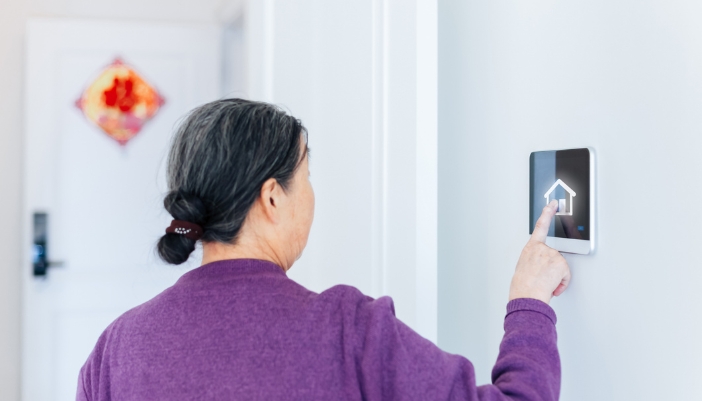
Verify visitors without opening the door, reducing fall risks from sudden movements or confusion. Two-way audio lets seniors speak to delivery drivers or neighbors clearly. Motion detection alerts them to activity outside, providing peace of mind. Many models offer night vision for clear identification in low light. This simple upgrade enhances security while maintaining independence and comfort at home. -

Voice assistants for hands-free control
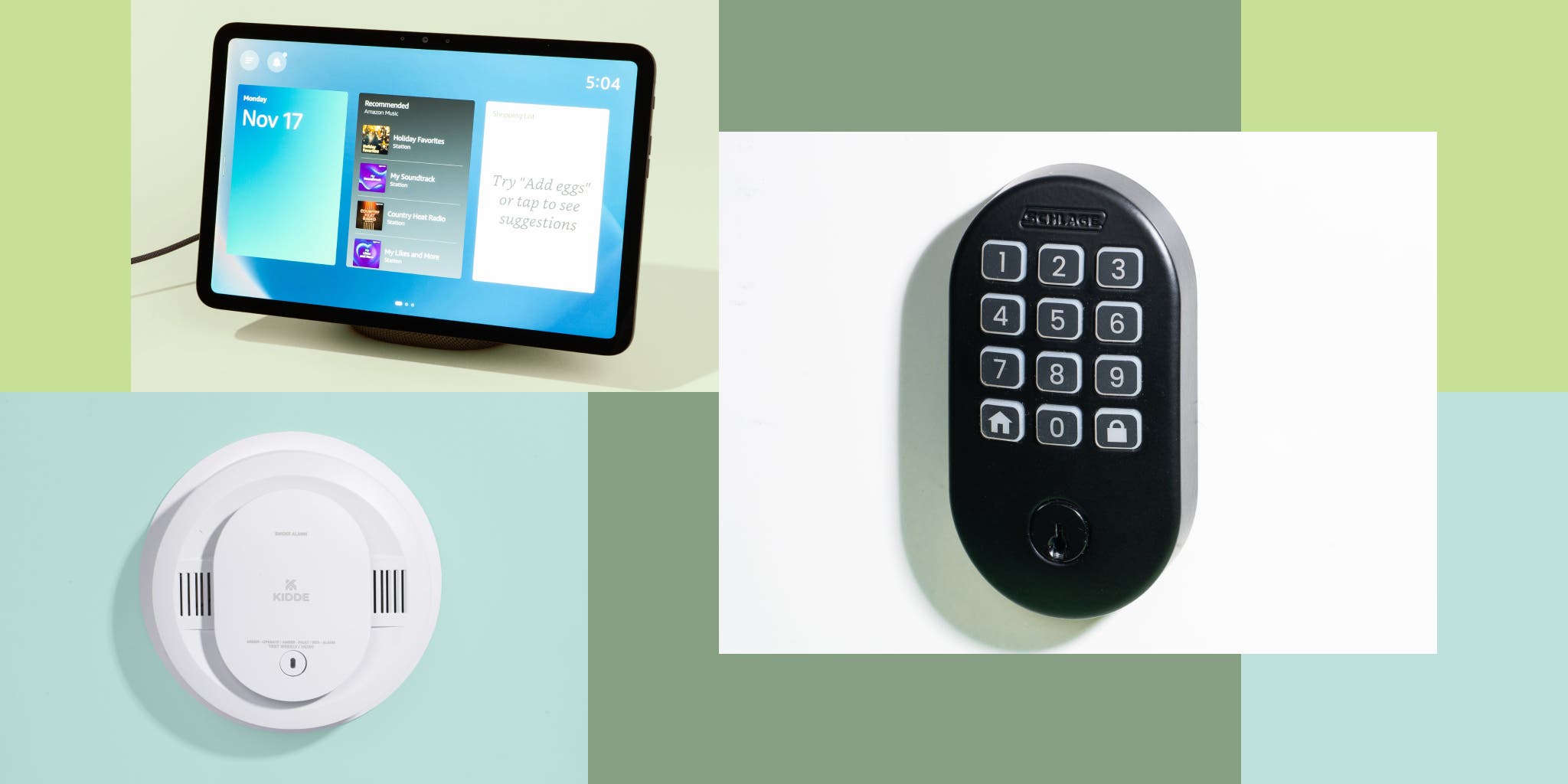
Control lights, locks, and media with simple voice commands, eliminating the need for fiddly switches or remotes. This is crucial for those with limited mobility or arthritis. Ask for weather updates, set medication reminders, or make emergency calls hands-free. The convenience reduces physical strain and cognitive load, making daily routines smoother and safer for aging adults living independently. -

Smart thermostats for temperature safety
Maintain consistent indoor temperatures to prevent heat-related illnesses or hypothermia, which seniors are vulnerable to. These devices learn schedules and adjust automatically, ensuring comfort without manual intervention. Remote access allows caregivers to monitor settings from afar. Alerts notify users if temperatures drop dangerously low, providing an extra layer of health protection and energy efficiency for the home. -
Automated lighting for fall prevention
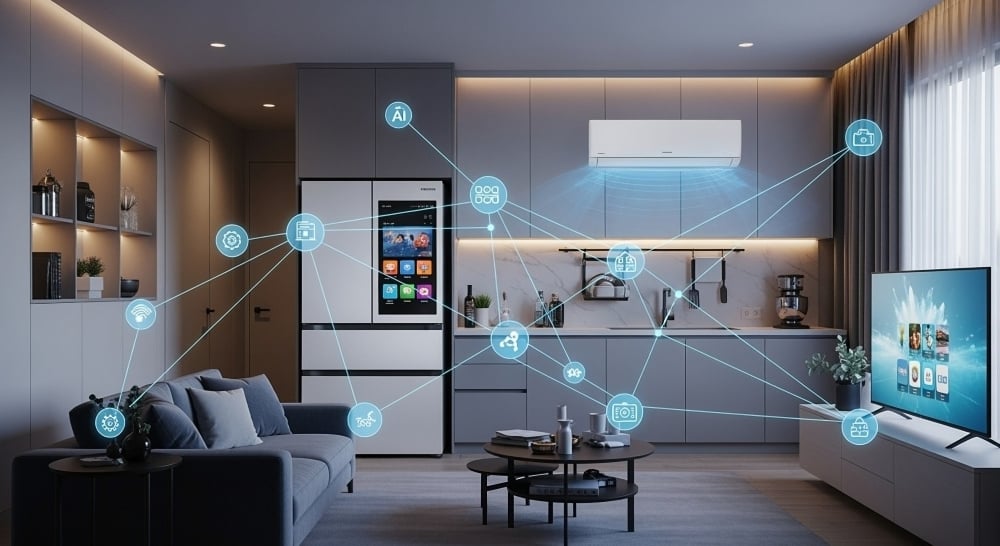
Install motion-sensor lights in hallways, bathrooms, and stairwells to illuminate paths automatically at night. This eliminates the need to fumble for switches in the dark, significantly reducing trip hazards. Gradual brightening helps eyes adjust, preventing disorientation. Consistent lighting ensures safe navigation during nighttime bathroom visits, a common cause of falls among older adults seeking to age in place comfortably. -

Smart locks for keyless entry
Eliminate the risk of losing keys or struggling with traditional locks using PIN codes or smartphone access. Family members can grant temporary entry without physical key exchange. Auto-locking features ensure doors are secured after entry, preventing accidental openings. This convenience reduces anxiety about security and accessibility, allowing seniors to manage their home environment with greater ease and confidence. -

Water leak detectors to prevent damage
Smart water leak sensors snap under sinks or near washing machines, sending instant alerts to your phone when moisture is detected. Unlike traditional alarms that only beep, these devices connect to your home network, allowing you to monitor status remotely. This proactive approach ensures that minor drips do not escalate into major flooding events that could compromise your living space. -
Medical alert systems with fall detection
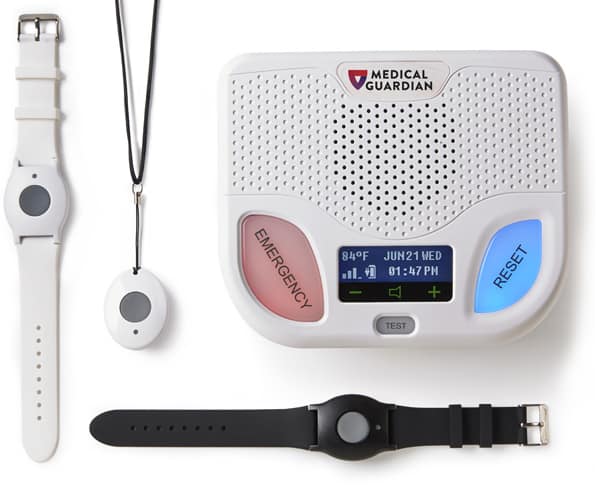
These wearable devices use advanced accelerometers and gyroscopes to distinguish between a hard fall and normal movements like sitting down quickly. When a fall is detected, the system automatically contacts emergency services or designated family members, providing GPS location data. This hands-free capability offers peace of mind, ensuring help arrives even if the user cannot speak or move to answer a call. -
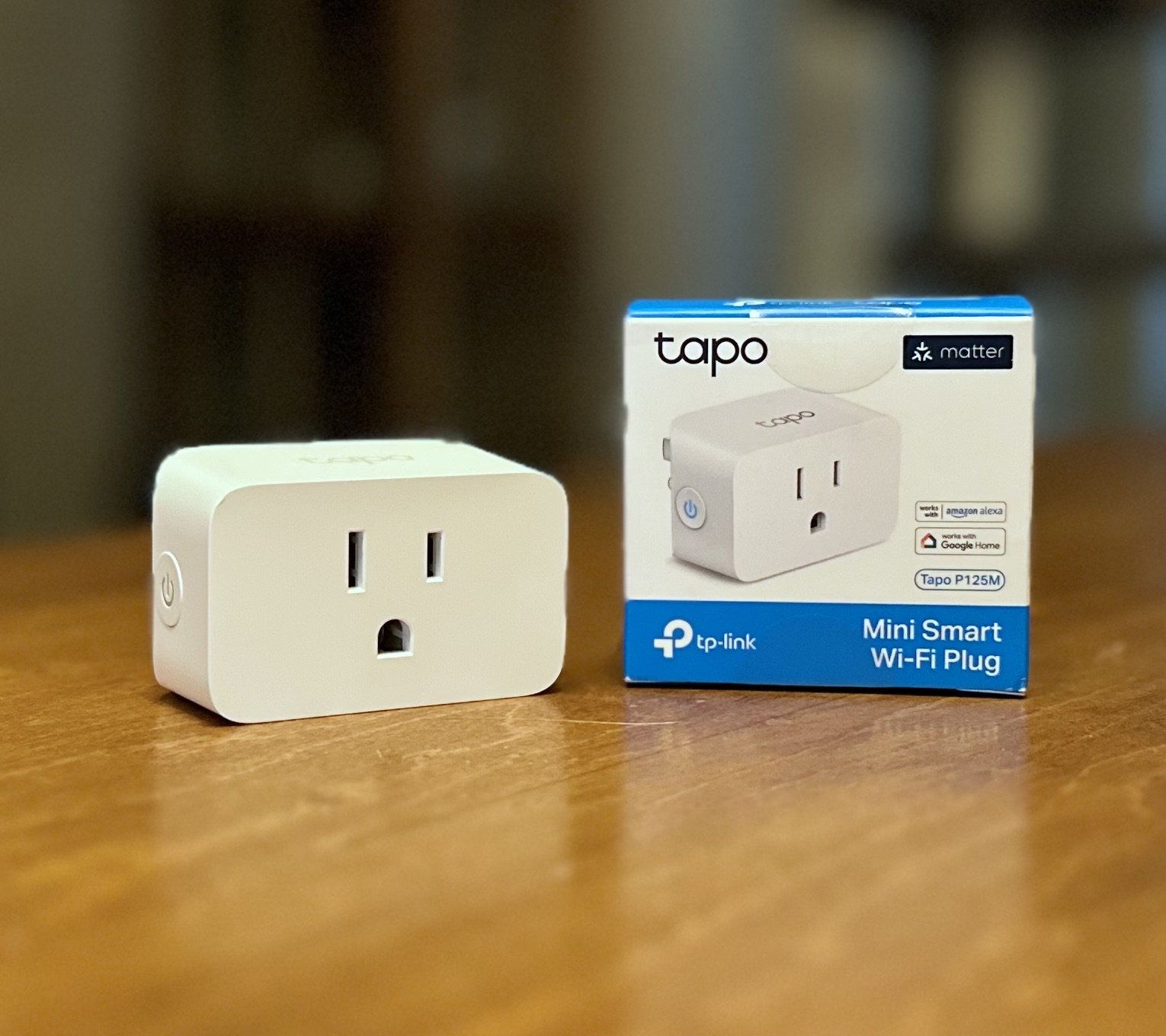
Smart plugs for appliance automation
By plugging into existing outlets, these devices enable voice control or scheduling for lamps, fans, and coffee makers. Seniors can set routines, such as turning on a living room lamp at sunset to improve visibility, or remotely verify if an iron was left on. This simple integration enhances independence by reducing the physical effort required to manage multiple household tasks throughout the day. -

Indoor security cameras for monitoring
Indoor cameras provide visual reassurance for both seniors and their caregivers. Features like two-way audio allow family members to check in verbally, while motion-activated recording captures important events without constant surveillance. Select models with wide-angle lenses and night vision ensure comprehensive coverage of living areas, helping to verify well-being and detect unusual activity that might indicate a health issue or safety concern. -

Smart smoke and carbon monoxide detectors
These interconnected devices monitor air quality for both smoke and invisible carbon monoxide gas. When triggered, they send push notifications to multiple family members’ phones, ensuring a broader response network. Some models integrate with voice assistants to provide clear verbal instructions during an emergency, guiding seniors to safe exits even if they are disoriented or unable to locate the source of the alarm.
Frequently asked: what to check next
What are the 5 pillars of aging in place?
Aging in place rests on five interconnected pillars: housing, healthcare, finances, transportation, and social interaction. Smart home upgrades primarily target the housing pillar by modifying the physical environment for safety and accessibility. However, the most successful strategies integrate technology with the other four areas, such as using voice assistants to coordinate healthcare appointments or simplifying financial management through automated bill pay.
How much does aging in place cost?
The cost varies significantly based on whether you focus on low-impact smart home devices or major structural renovations. Basic upgrades like smart lighting, voice-controlled thermostats, and automated locks typically range from $200 to $1,000. More extensive modifications, such as walk-in showers or whole-home automation systems, can exceed $10,000. Many seniors find that starting with incremental, budget-friendly tech upgrades provides the best return on investment for safety and convenience.
Can smart home devices replace in-home care?
Smart devices are powerful support tools but do not replace human care. They excel at monitoring safety, managing medication reminders, and controlling the home environment. For seniors living alone, features like fall detection and emergency alerts provide peace of mind for families. However, personal care tasks, meal preparation, and social engagement still require human assistance or community resources.
Which smart home features are best for seniors?
The best features prioritize simplicity and voice control. Large-screen displays, automated lighting, and smart locks reduce the cognitive load of managing a home. Voice assistants like Amazon Echo or Google Nest allow seniors to control lights, temperature, and communications without fiddling with small buttons. Prioritizing intuitive interfaces ensures that technology remains an aid rather than a frustration.
Helpful gear
Use these product recommendations as a starting point, then choose the size, material, and price point that fit how you actually use the gear.


As an Amazon Associate, we may earn from qualifying purchases.
No comments yet. Be the first to share your thoughts!