

Smart homes help seniors stay independent
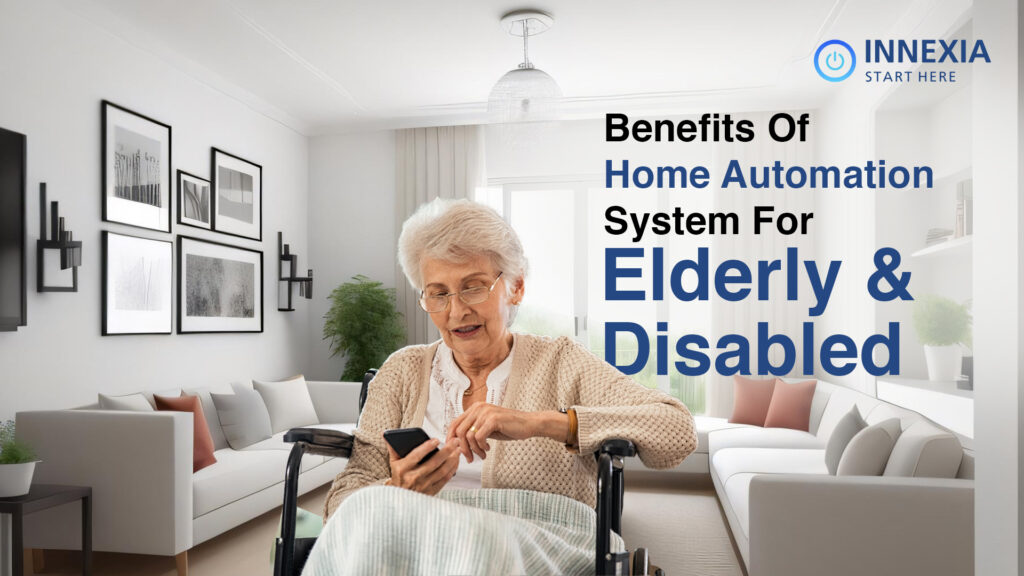
The number of adults aged 65 and older is increasing rapidly. Many are determined to maintain their independence and age in place – remaining in their own homes for as long as possible. This desire, however, often clashes with the realities of aging, including potential mobility limitations, memory concerns, and feelings of social isolation. Smart home technology, and specifically voice-activated systems, offers a promising path to address these challenges.
Voice commands make it easy to dim lights, change the temperature, or call home. A 2023 PMC study found that seniors are more likely to use these tools when they feel the technology is easy to learn and actually solves a daily problem. It is about control. When you can manage your environment without asking for help, you feel more secure.
The emotional component is vital. Feeling connected, safe, and in control are hugely important for seniors. Voice assistants can help with this, but it’s not enough to just offer the technology. It needs to be intuitive, reliable, and address genuine needs. It's not about forcing adoption, but about providing tools that seamlessly integrate into daily life and support a more independent lifestyle. This is where focusing on senior-specific solutions really shines.
Choosing a voice assistant
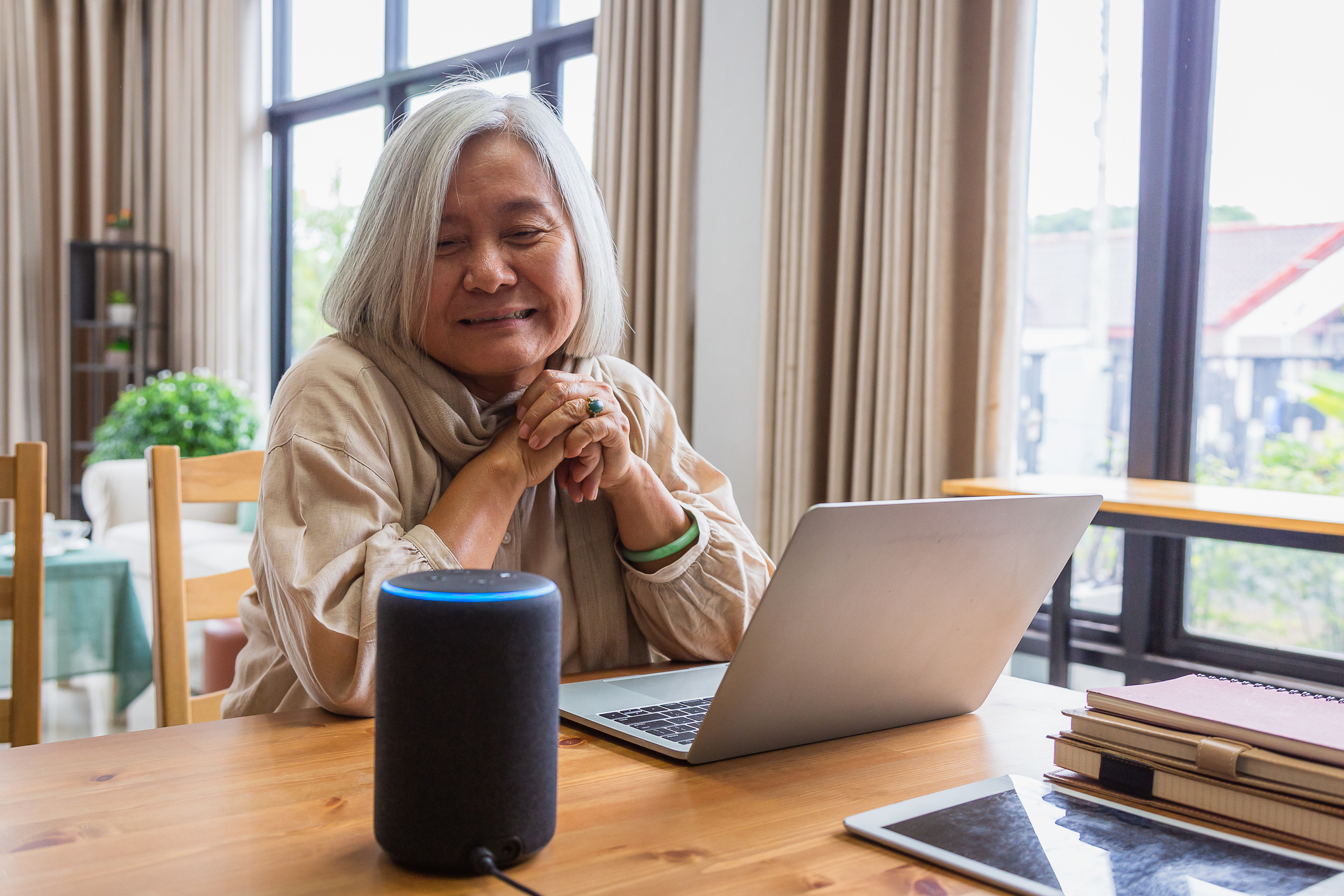
At the heart of most voice-activated smart homes are the major voice assistants: Amazon Alexa, Google Assistant, and Apple Siri. Each has strengths and weaknesses, and the best choice depends on individual needs and existing tech ecosystems. Alexa, with its vast number of skills and integrations, is a versatile option. However, some seniors might find navigating the sheer volume of options overwhelming.
Google Assistant is better at understanding natural speech and different accents. You don't have to memorize specific phrases. However, Google collects a lot of data, which is a trade-off. If you already use an iPhone, Siri is the easiest choice. It keeps more data on the device rather than in the cloud, though it doesn't connect to as many third-party smart gadgets as Alexa.
Privacy is a valid concern with all these assistants. Amazon and Google both offer privacy dashboards and controls, allowing users to review and delete voice recordings. Apple emphasizes on-device processing for some commands, minimizing data sent to the cloud. It’s important for seniors and their families to understand these settings and adjust them to their comfort level. Regularly reviewing privacy settings is a good habit.
The best systems for 2026
A complete voice-activated system isn’t just the assistant itself, but the connected devices that work with it. Here's a look at some top contenders for 2026, keeping senior needs in mind. The Amazon Echo Show 8 (2nd Gen) paired with Alexa Together is a strong starting point. Alexa Together provides remote assistance features, allowing family members to help manage the system and provide support from a distance. It’s currently priced around $150 for the device, with Alexa Together subscriptions starting at $19/month.
The Google Nest Hub Max offers a larger screen and excellent voice recognition. Its built-in camera allows for video calls, and its integration with Google services is seamless. It’s priced around $230. For a more specialized solution, ElliQ stands out. Designed specifically as a companion for seniors, ElliQ proactively engages users in conversation, offers cognitive stimulation, and helps them stay connected with loved ones. It's a significant investment, costing around $249/month with a 12-month premium subscription and includes free home installation.
Beyond these, the SeniorTalk AI Companion is a text and voice-based assistant designed to reduce loneliness, currently offering a free 30-day trial. The Abode Home Security System, compatible with Alexa and Google Assistant, provides a comprehensive security solution with professional monitoring options. Prices vary depending on the package, but start around $150 for the basic system. Finally, consider the Lively Mobile Plus, a medical alert device that also integrates with Alexa, offering voice-activated emergency assistance. This device is around $35/month for the service.
Featured Products

8-inch HD display with spatial audio · Built-in smart home hub · Alexa voice control
Its larger screen and enhanced audio make it easy to see and hear, perfect for seniors who want a more immersive smart home experience.

7-inch touchscreen display · Google Assistant integration · Sleep sensing capabilities
The intuitive touchscreen and Google Assistant make it simple for seniors to access information and control their home with voice or touch.

Compact design with vibrant sound · Alexa voice control · Eco-friendly materials
Its small size and affordable price make it an accessible entry point for seniors to enjoy the benefits of voice-activated smart home control.

Compact and discreet design · Google Assistant integration · Rich sound quality
This speaker offers a straightforward way for seniors to manage their smart home and access information using simple voice commands.

Compact size with impressive audio · Siri voice control · Seamless Apple ecosystem integration
For seniors invested in the Apple ecosystem, the HomePod mini provides an easy-to-use voice interface for controlling their home and accessing Apple services.
As an Amazon Associate I earn from qualifying purchases. Prices may vary.
Safety and security
Voice automation can significantly enhance safety for seniors. Smart devices can be integrated to create a proactive safety net. Fall detection devices, like those offered by Apple Watch or VitalsCare, can automatically alert emergency services if a fall is detected. Smart smoke and carbon monoxide detectors, such as those from Nest, send alerts to both the homeowner and designated family members. Automated lighting can deter intruders and reduce the risk of falls at night.
Remote monitoring capabilities allow family members to check in on loved ones remotely, providing peace of mind. Many smart cameras offer two-way audio, allowing for direct communication. These systems aren't just reactive; they can prevent problems before they happen. A smart thermostat, for example, can automatically adjust the temperature to prevent hypothermia or overheating. However, all of this relies on a stable internet connection.
Reliable internet is essential for these systems to function properly. Consider a backup internet solution, like a cellular hotspot, in case of an outage. Regularly testing the system and ensuring all devices are functioning correctly is also crucial. A system is only as good as its reliability, and for seniors, that reliability is paramount.
Managing daily routines
The benefits of voice automation extend beyond safety and security. Medication reminders can help seniors stay on track with their prescriptions. Voice assistants can also schedule appointments, set alarms, and provide information on demand. Entertainment options are plentiful, with access to music, audiobooks, and podcasts through simple voice commands.
Staying connected with loved ones is also easier with voice-activated video calls. Systems like the Echo Show and Nest Hub Max make it simple to connect with family and friends. ElliQ, in particular, focuses on social engagement, proactively initiating conversations and suggesting activities. Reducing loneliness and isolation is a major benefit of these technologies.
These systems can adapt to individual routines and preferences, creating a more personalized experience. They can learn a senior’s favorite music, news sources, and even their preferred temperature settings. It’s about creating a comfortable and supportive environment that promotes independence and well-being. These technologies aren't just about making life easier; they're about making it more enjoyable.
Getting help with setup
Setting up and maintaining these systems can be a challenge, especially for seniors who are not tech-savvy. Professional installation services are available from many providers, including Best Buy and Amazon. These services can ensure that the system is properly configured and that all devices are working correctly. Remote support options are also crucial, allowing family members or tech support staff to troubleshoot issues remotely.
User-friendly interfaces are essential. Voice assistants should be easy to understand and respond to. Devices should have clear and intuitive controls. Companies that offer dedicated support for seniors, with patient and knowledgeable representatives, are particularly valuable. Clear documentation and tutorials, both written and video-based, can also be helpful.
Don't underestimate the importance of ongoing support. Even after the initial setup, seniors may need assistance with troubleshooting, updates, or adding new devices. Having access to reliable support can make all the difference in ensuring that the system remains useful and effective.
What is coming next
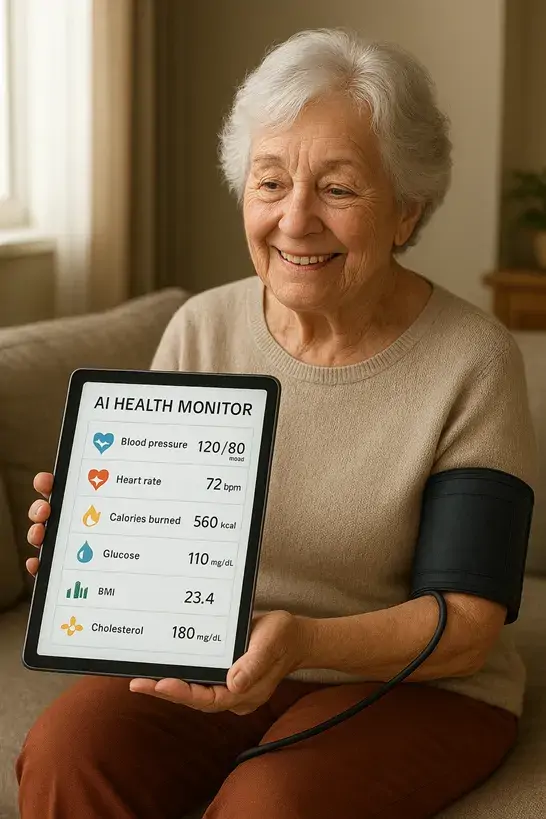
The field of voice-activated home automation for seniors is constantly evolving. Advancements in artificial intelligence will lead to more personalized and intuitive experiences. We can expect to see systems that proactively anticipate needs and offer tailored recommendations. Integration with healthcare services is another emerging trend, potentially allowing for remote health monitoring and medication management.
Expect better voice recognition for softer voices and more devices that talk to each other without extra setup. Companies are moving toward 'passive' monitoring, where the house can tell if you've fallen without you needing to wear a button. These small changes make staying at home safer for longer.
Ultimately, the future of senior-friendly smart homes is about creating technologies that seamlessly blend into daily life, providing peace of mind, and promoting well-being. It’s about empowering seniors to live fuller, more independent lives.

No comments yet. Be the first to share your thoughts!