

Why fall detection is becoming a necessity
Falls are a significant threat to the health and independence of older adults. According to the CDC, over one in four adults aged 65 and older falls each year, resulting in over 3 million injuries treated in emergency rooms. These falls aren’t just bumps and bruises; they often lead to fractures, head injuries, and a decreased quality of life. The financial burden is also substantial, with falls costing the US healthcare system over $50 billion annually.
The consequences extend beyond the immediate medical costs. A fall can trigger a fear of falling, leading to reduced activity and social isolation. This can accelerate physical decline and negatively impact mental well-being. As the population ages, the demand for effective fall prevention and detection technologies is only going to increase, placing further strain on already stretched healthcare resources.
The Americans with Disabilities Act (ADA) covers mobility devices, and these sensors are a natural extension of that. Most people I talk to want to stay in their own homes rather than moving to assisted living. Having a sensor on the wall or wrist makes that a lot more realistic for families who worry about a parent living alone.
How wearable sensors track movement
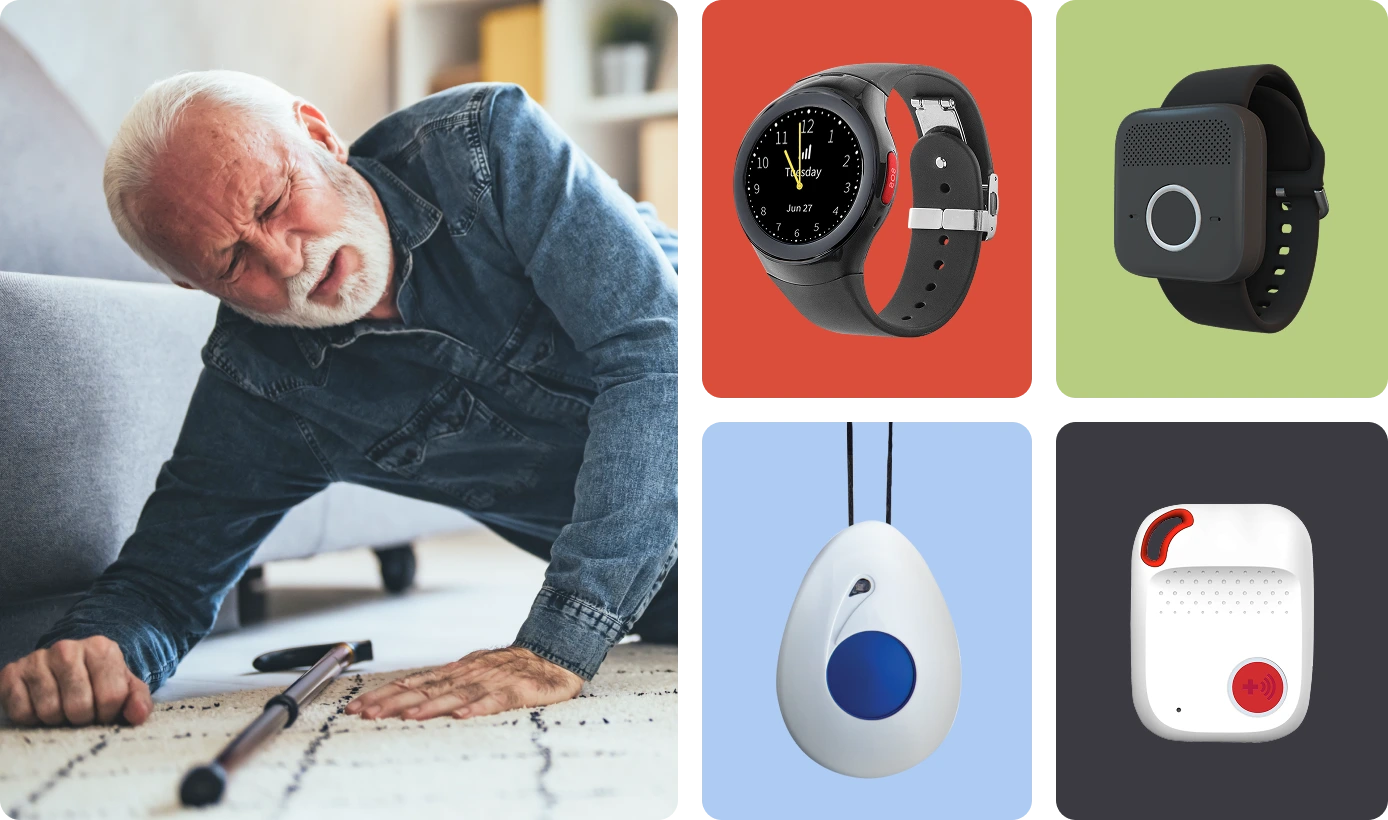
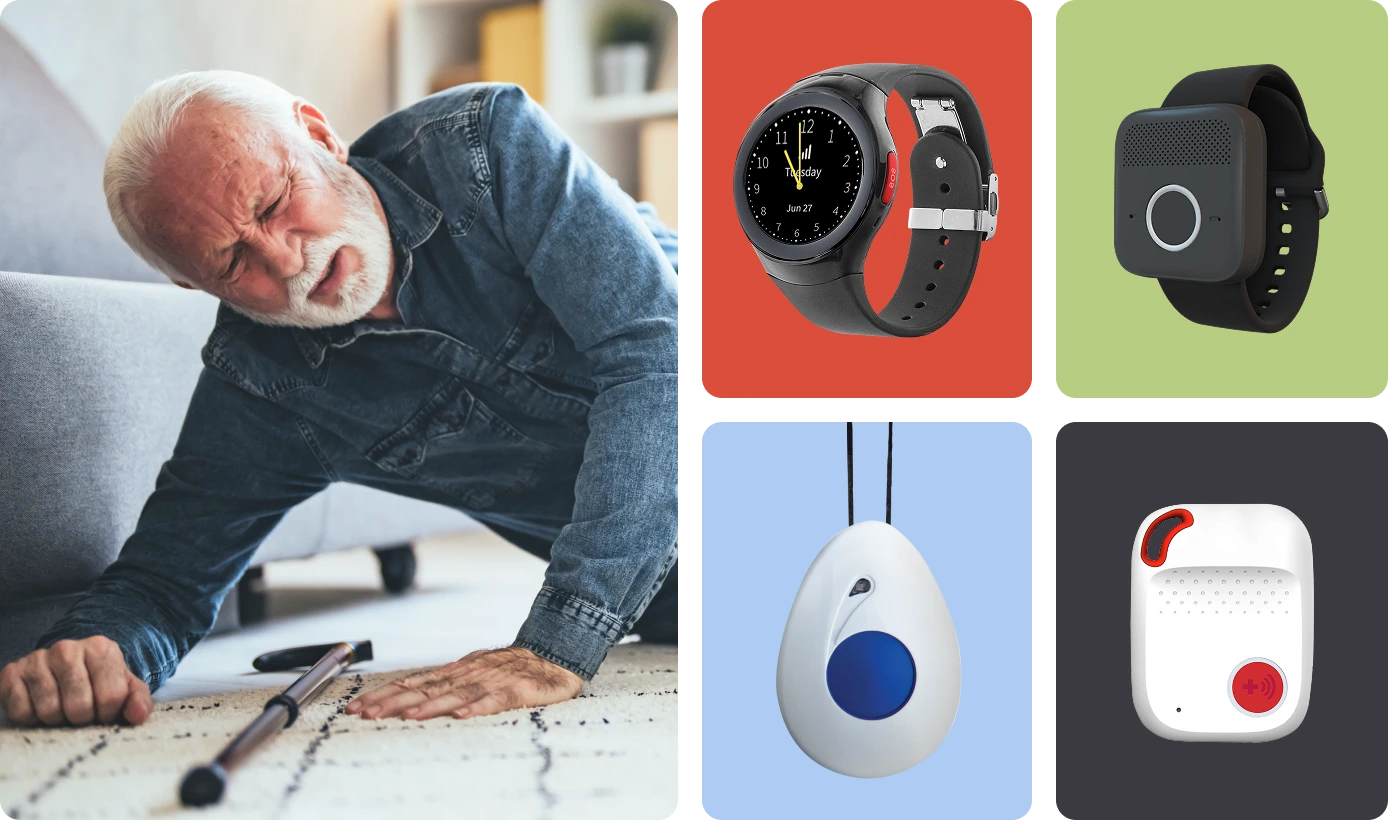
Wearable fall detectors are currently the most popular option, ranging from smartwatches and fitness trackers to dedicated pendant-style devices. These devices typically use a combination of sensors – primarily accelerometers and gyroscopes – to monitor movement. Accelerometers measure acceleration, while gyroscopes measure rotational velocity. Together, they provide a detailed picture of the user’s activity.
The software does the heavy lifting. It has to tell the difference between someone flopping onto a sofa and someone slipping in the shower. To do this, it tracks the speed of the drop and whether the person moves at all afterward. Manufacturers spend most of their time trying to stop the alarm from going off every time you sit down too fast.
Battery life is a constant trade-off. More sophisticated algorithms and continuous monitoring require more power. Many devices offer between 24 and 72 hours of battery life, but some can last for several days. Another consideration is comfort and wearability. Some seniors may find smartwatches bulky or uncomfortable, while pendants can be easily forgotten. False positives are getting less frequent thanks to improvements in machine learning, but they still occur.
While the technology is impressive, it’s not foolproof. Wearables rely on the user actually wearing the device, which isn’t always the case. They can also struggle to detect falls in certain situations, such as when the user is already seated or lying down. However, the convenience and relatively low cost make them a popular choice.
- Accelerometers track how fast you move downward.
- Gyroscopes measure if you are tilting or spinning.
- Algorithm: Analyzes sensor data to detect fall patterns.
Sensors that watch the room
Home-based fall detection systems offer an alternative to wearables, utilizing sensors and cameras placed around the home. These systems can detect falls without requiring the user to wear anything, which can be a significant advantage for individuals who are resistant to wearing devices. Some systems use cameras and computer vision to analyze movement and identify falls, while others rely on passive infrared sensors to detect changes in the environment.
The MIT News recently highlighted research on an eldercare robot that can assist people with standing and sitting, and even catch them if they begin to fall. This is a more proactive approach than simply detecting a fall after it happens. However, these systems often come with privacy concerns. Camera-based systems raise legitimate questions about surveillance and data security, and users need to be comfortable with the idea of being monitored in their own homes.
Cost and installation can also be significant barriers. These systems are typically more expensive than wearables, and they often require professional installation. Accuracy can also be a challenge, as these systems need to be able to differentiate between a fall and other activities, such as someone simply sitting down quickly. Despite these challenges, home-based systems offer a valuable option for seniors who prefer a non-wearable solution.
Comparing Technologies: Wearables vs. Home Systems
Both wearable and home-based fall detection systems have their strengths and weaknesses. Wearables are generally more affordable, easier to install, and offer greater portability. They are ideal for active seniors who want a discreet and convenient solution. However, they rely on consistent user compliance – the device must be worn to be effective. They're also susceptible to false positives if the user doesn't wear the device correctly.
Home-based systems, on the other hand, don't require the user to wear anything, making them a good choice for individuals who are resistant to wearables or have cognitive impairments. They can also provide a more comprehensive view of the user’s activity and environment. However, they are typically more expensive, require professional installation, and raise privacy concerns. Accuracy can also be a concern, particularly in complex environments.
Hybrid systems are emerging that combine the benefits of both approaches. These systems might use a wearable device to detect falls, but also incorporate sensors in the home to provide additional context and verification. Ultimately, the best choice depends on the individual’s needs, preferences, and lifestyle. A very active senior might prioritize a wearable, while someone with limited mobility might benefit more from a home-based system.
Fall Detection System Comparison: Wearable vs. Home-Based (2026 Outlook)
| System Type | Accuracy | Privacy Considerations | Ease of Implementation | Mobility Dependence |
|---|---|---|---|---|
| Wearable Devices (Smartwatches, Pendants) | Generally Good to Excellent | Medium - Data transmission and storage raise privacy concerns; potential for location tracking. | Easy - Typically user-activated or automatic with minimal setup. | High - Requires consistent user wear to function effectively. |
| Home-Based Systems (Cameras, Sensors) | Good - Reliant on sensor placement and environmental factors; potential for false alarms. | Lower - Visual data collection raises significant privacy concerns; requires careful consideration of camera placement. | Moderate - Requires strategic sensor/camera placement and potential network configuration. | Low - Functions independently of user action, suitable for those with limited mobility. |
| Hybrid Systems (Wearable + Home) | Potentially Excellent - Combines the benefits of both systems for improved reliability. | Medium - Inherits privacy concerns from both wearable and home components. | Moderate - Requires setup of both wearable and home components. | Moderate - Wearable component requires user adherence, while the home system provides baseline coverage. |
| Audio-Based Systems | Fair to Good - Emerging technology; accuracy dependent on ambient noise and algorithm sophistication. | Medium to High - Audio data collection raises privacy concerns, but may be less intrusive than video. | Simple - Typically requires only device placement and network connection. | Low - Operates passively without requiring user action. |
| Computer Vision Systems | Good to Excellent - Accuracy dependent on lighting conditions and camera quality. | Low - Raises significant privacy concerns due to constant video monitoring. | Complex - Requires careful camera setup, calibration, and potential integration with smart home systems. | Low - Functions independently of user action. |
| Robot-Assisted Systems | Excellent - Offers proactive assistance and fall mitigation, alongside detection. | Medium - Data collection and movement within the home raise privacy considerations. | Complex - Requires significant setup and integration with the home environment. | Low - Primarily designed to assist individuals with limited mobility. |
Qualitative comparison based on the article research brief. Confirm current product details in the official docs before making implementation choices.
Top devices for 2025
The tech changes fast, but these are the devices that actually work right now. I've looked at the specs for the 2025 models, and these six are the most reliable options for most homes.
Apple Watch Series 9: (Approx. $399+) - While not specifically designed for fall detection, the Apple Watch Series 9 includes highly accurate fall detection capabilities, as well as heart rate monitoring and emergency SOS. Its biggest pro is integration into the Apple ecosystem, but the price is a significant drawback. It can sometimes generate false positives during strenuous activity.
Medical Guardian MGMove: (Approx. $150 + monthly subscription) - A dedicated wearable device with 24/7 monitoring and emergency response. It offers excellent accuracy and a comfortable design. However, it requires a monthly subscription fee, adding to the overall cost.
Aloe Care Labs Medical Alert System: (Approx. $199 + monthly fee) – This is a home-based system that uses a base station and wearable pendant. It offers voice-activated assistance and automatic fall detection. It's a good option for those who want a comprehensive solution, but the cost can be prohibitive.
Vayusek Fall Detection Sensor: (Approx. $129) - A non-wearable sensor that mounts on the wall and uses motion detection to identify falls. It’s relatively inexpensive and easy to install, but it may not be as accurate as other systems. It's best suited for smaller rooms.
FallGuard Pro: (Approx. $249) - A pendant-style wearable that focuses specifically on fall detection. It has a simple design and long battery life. The lack of additional features may be a downside for some users.
LifeFone At Home System: (Approx. $35/month) - A landline-based system with optional cellular backup and fall detection. It's a basic but reliable option for those who prefer a simple setup. It does require a landline connection.
Featured Products
![Apple Watch Series 11 [GPS 42mm] Smartwatch with Rose Gold Aluminum Case with Light Blush Sport Band - S/M. Sleep Score, Fitness Tracker, Health Monitoring, Always-On Display, Water Resistant](https://m.media-amazon.com/images/I/6110Jv9wqeL._AC_UY654_QL65_.jpg)
Automatic fall detection with notification to emergency contacts · Comprehensive health monitoring including heart rate and ECG · GPS tracking for location services
The Apple Watch Series 11 offers advanced automatic fall detection and integrates seamlessly with other health monitoring features, providing a robust safety net for active seniors.
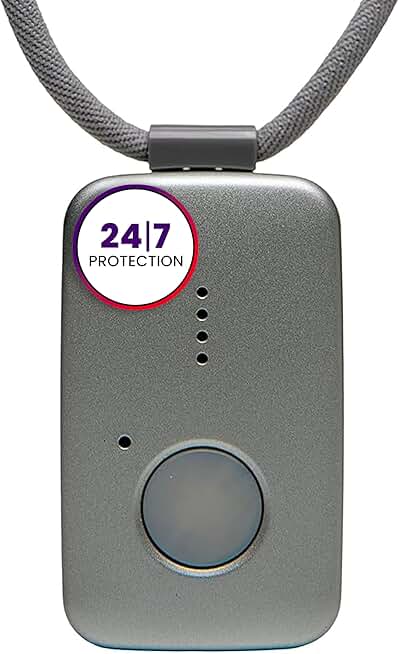
24/7 professional monitoring with a single button press · Built-in GPS for location tracking in emergencies · Water-resistant design for use in bathrooms and showers
The Medical Guardian MGMini provides reliable 24/7 emergency monitoring and GPS tracking in a compact, water-resistant device, ensuring help is always within reach.

Optional automatic fall detection for enhanced safety · 24/7 access to emergency response professionals · Waterproof design for continuous wear
LIVELY Mobile2 offers an optional but highly effective fall detection feature alongside 24/7 emergency support and a waterproof design, promoting independence with added security.

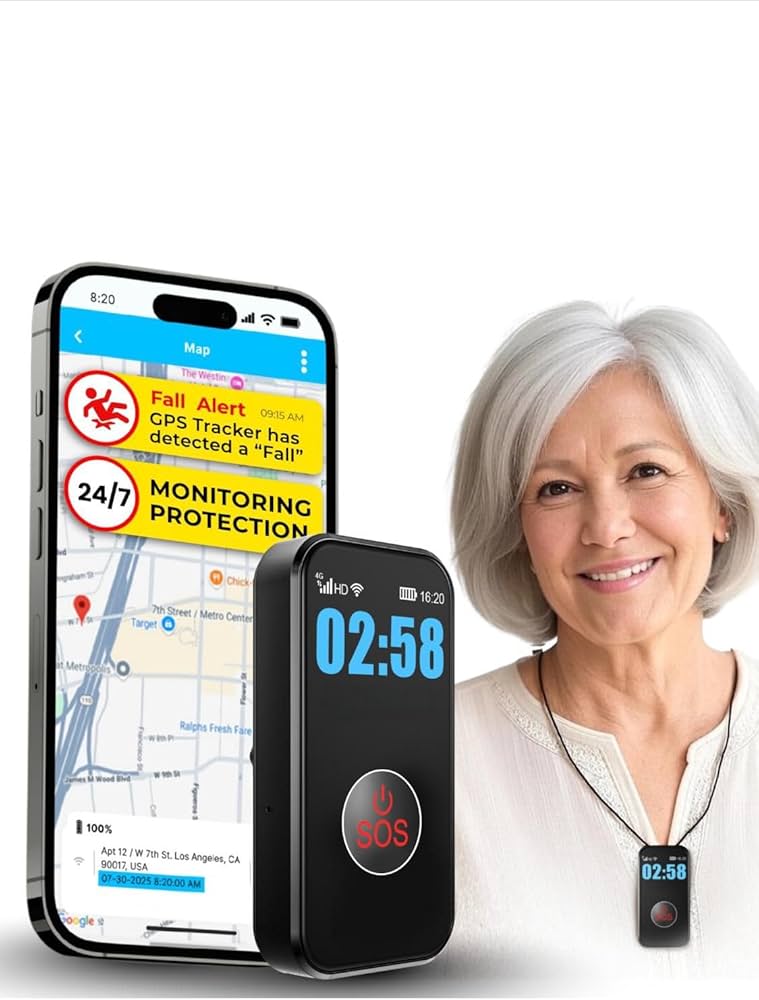
Integrated GPS tracking for precise location identification · SOS alert button for immediate emergency assistance · HD video calling for direct communication
This fall detection smartwatch combines GPS tracking, an SOS button, and HD video calling, making it an ideal solution for seniors with dementia or Alzheimer's, ensuring quick and clear communication in emergencies.
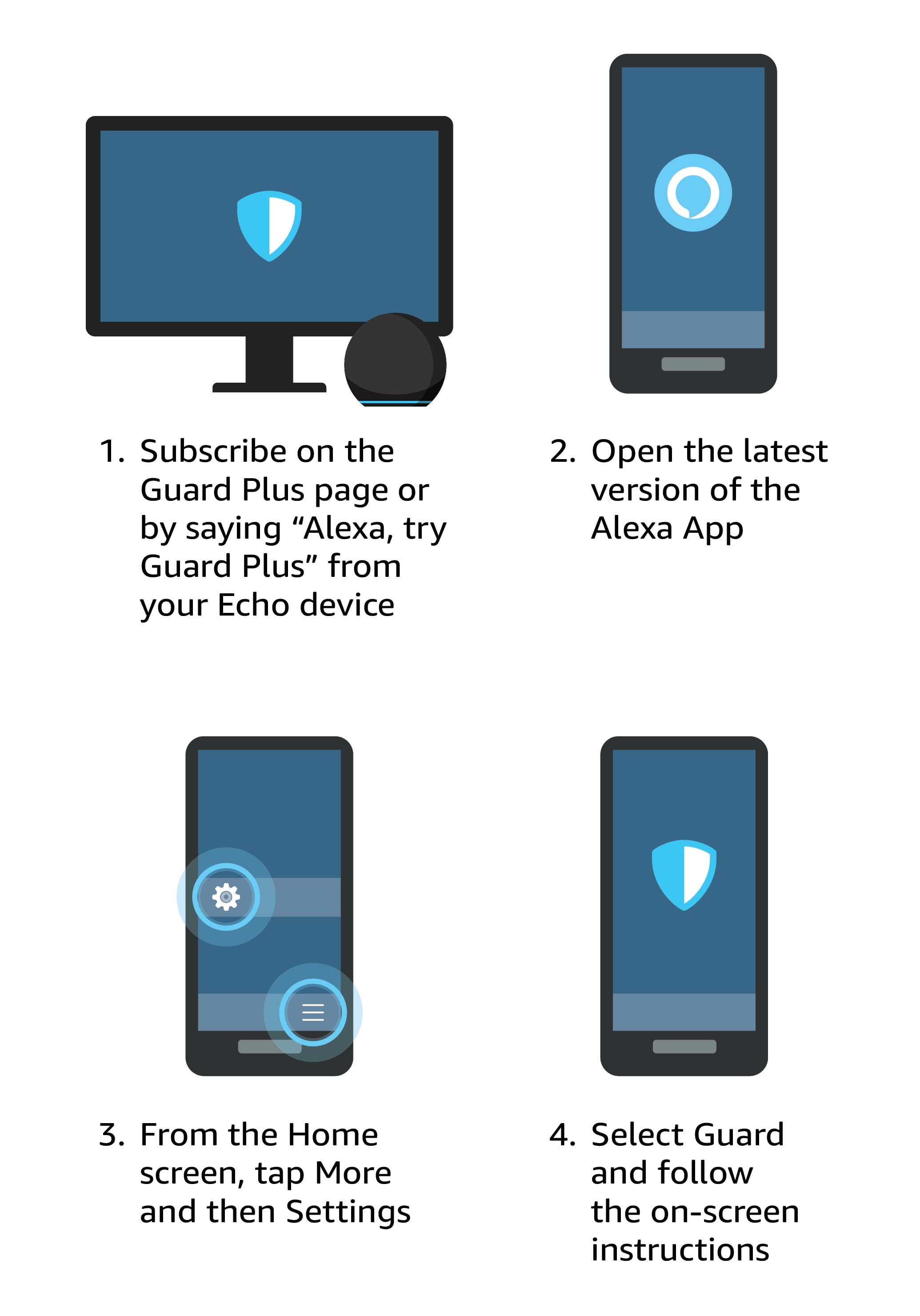
Utilizes existing Alexa-enabled devices for home monitoring · Can detect the sound of smoke alarms, carbon monoxide alarms, and breaking glass · Alerts users and designated contacts when a potential emergency is detected
Amazon Alexa Guard Plus acts as a smart home security system, leveraging existing Alexa devices to detect sounds of emergencies like smoke alarms or glass breaking, and alerting users and contacts.
As an Amazon Associate I earn from qualifying purchases. Prices may vary.
Getting help after a fall
Detecting a fall is only the first step; a rapid and effective emergency response is crucial. Most fall detection devices offer some form of emergency response integration, typically through a cellular connection or a connection to a professional monitoring service. When a fall is detected, the device will attempt to contact the user to confirm whether they need assistance. If the user is unable to respond, the device will automatically alert emergency services or a designated contact.
Professional monitoring services provide 24/7 support and can dispatch emergency responders even if the user is unconscious or unable to communicate. These services typically require a monthly subscription fee, but they can provide peace of mind for both the user and their family. Cellular connectivity is essential for devices that don’t rely on a landline connection, ensuring that help can be summoned even if the user is outside the home.
The integration of fall detection with telehealth services is an emerging trend. This would allow healthcare providers to remotely assess the user’s condition after a fall and provide appropriate medical guidance. A reliable communication system is paramount. It's also vital to ensure that emergency contacts are up-to-date and that the user understands how the system works.
No comments yet. Be the first to share your thoughts!