

The reality of fall risks
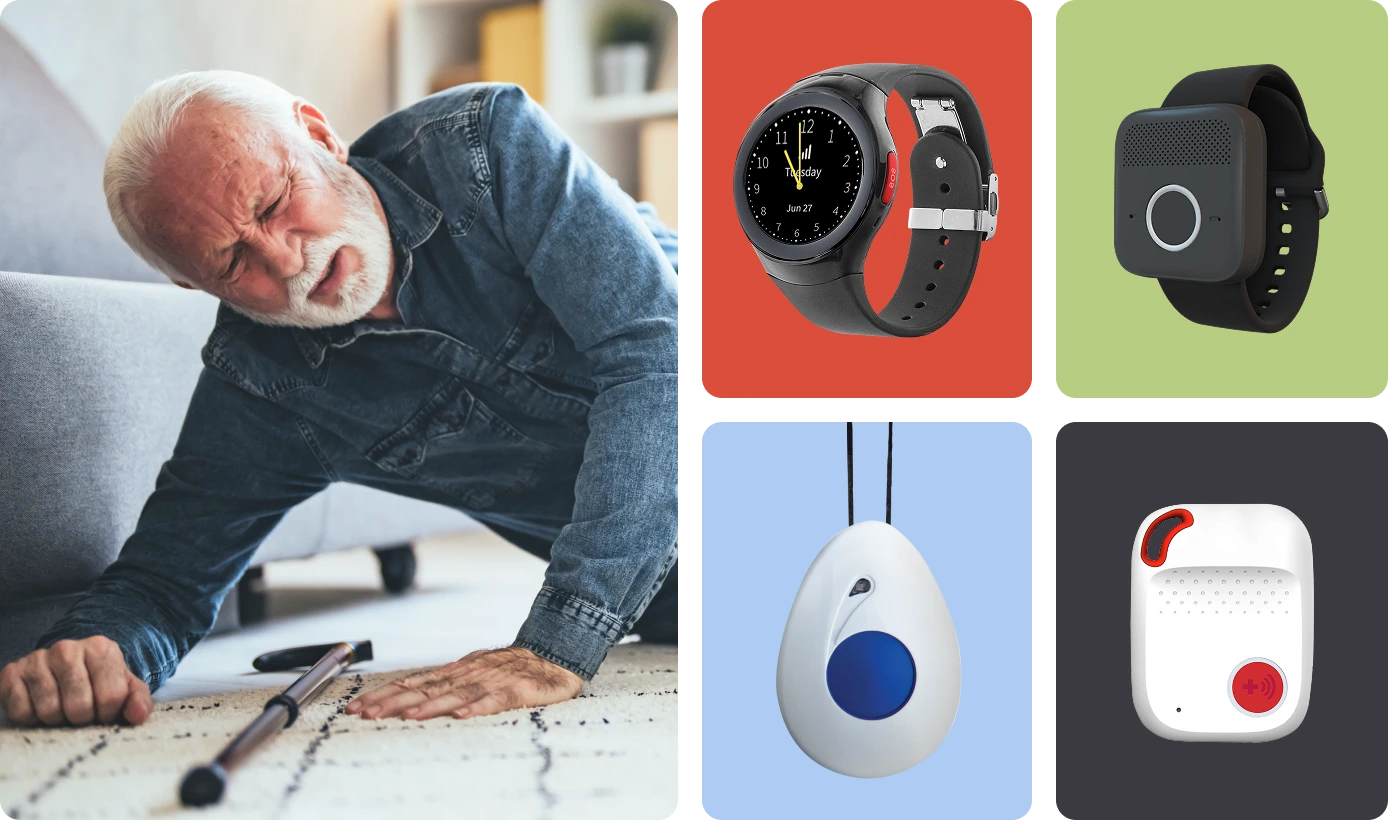
Falling is the leading cause of injury for Americans over 65. CDC data shows 36 million falls happen every year, and about 32,000 of those are fatal. It isn't just about the physical injury; a single trip often ends a person's ability to live alone. These devices are meant to stop that downward spiral.
The impact extends beyond physical injury. Falls can create a cycle of fear, leading to decreased activity and social interaction, which then weakens muscles and increases the risk of future falls. The financial burden is substantial too; the direct medical costs of falls exceed $50 billion annually in the US. It’s a serious issue that deserves a proactive solution.
Thankfully, we’ve moved past the days of simply hoping for the best. Fall detection isn’t about admitting vulnerability, it's about embracing technology to maintain control and peace of mind. What started as basic pendant-style emergency buttons has evolved significantly. Today’s fall detection wearables are smaller, smarter, and more reliable than ever before. They offer a way for seniors to live independently longer, knowing help is available at the press of a button – or even automatically, if a fall is detected.
This isn’t a brand-new idea, but the technology is much improved. Early systems were often unreliable, prone to false alarms, and clunky to wear. Current devices use sophisticated sensors and algorithms to differentiate between a genuine fall and everyday movements. The advancements in the last few years really do make a difference.
How the sensors work
Most of these sensors use accelerometers to track speed and gyroscopes to monitor rotation. Some include a barometer to measure air pressure changes, which helps the software tell if you've moved from standing to lying on the floor. The device triggers an alert when it feels a heavy impact followed by a lack of movement.
There are two main types of fall detection systems: device-based and hub-based. Device-based systems, like smartwatches or dedicated pendants, contain all the necessary technology within the device itself. Hub-based systems, on the other hand, connect to a base station that communicates with a monitoring center. The device sends data to the hub, which then alerts emergency services if a fall is detected.
The raw data from these sensors isn't enough. Sophisticated algorithms are crucial for filtering out false positives – things like quickly sitting down or stumbling. These algorithms analyze the patterns of movement and impact, learning to distinguish between a genuine fall and normal activity. The quality of these algorithms varies significantly between devices, which is why accuracy is a key factor when choosing a system.
The most reliable wearables for 2026
The market for fall detection wearables is growing rapidly, with new devices appearing all the time. Here are a few of the most reliable and well-reviewed options available in 2026. I've focused on devices with strong user feedback and a proven track record of accurate fall detection.
Medical Guardian MGMove (2026): This wearable is consistently ranked highly for its accuracy and ease of use. It features 24/7 professional monitoring, GPS tracking, and two-way voice communication. Battery life is approximately 5 days, and it’s water-resistant. Monthly plans start around $50. Many Amazon reviewers praise its comfortable design and quick response times.
Apple Watch Series 10 (with Fall Detection): If a senior already uses an Apple Watch, the built-in fall detection feature is a significant benefit. It automatically calls emergency services if a fall is detected and the user doesn’t respond. It also offers a wealth of other health and fitness features. However, it requires an iPhone and a cellular plan for full functionality, adding to the overall cost. Battery life is about 18 hours.
Aloe Care Labs Medical Alert Button: This system combines a mobile button with a home-based hub. The hub provides a wider range of connectivity options and can integrate with other smart home devices. Aloe Care boasts a quick emergency response time and offers 24/7 monitoring. Monthly plans start at $19.95.
LifeFone Atria+: LifeFone is a long-standing player in the medical alert market. The Atria+ offers fall detection, GPS location, and two-way voice communication. It has a long battery life—up to 30 days—and is relatively affordable. Monthly plans start around $37.
GreatCall Lively Wearable2: This simple and easy-to-use device is designed specifically for seniors. It features 24/7 emergency monitoring, fall detection, and a comfortable, lightweight design. It requires a GreatCall subscription, which starts at $25 per month. Reviews frequently mention its simplicity and clear communication.
FallSafe 2.0: This pendant-style device is a good option for seniors who prefer a discreet and comfortable design. It offers reliable fall detection and 24/7 monitoring. Battery life is approximately 10 days, and monthly plans start at $30. Some users note that the pendant is smaller than previous models, making it less noticeable.
Bay Alarm Medical 4G LTE GPS Help Button: This wearable offers 4G LTE connectivity for reliable coverage, even without Wi-Fi. It includes fall detection, GPS tracking, and two-way voice communication. Monthly plans start around $30. AARP often includes Bay Alarm Medical in its recommended lists.
Featured Products
![Apple Watch Series 9 [GPS 45mm] Midnight Aluminum Case with Midnight Sport Band M/L (Renewed)](https://m.media-amazon.com/images/I/71aXGgNCE9L._AC_UY654_QL65_.jpg)
Automatic fall detection with a tap · Emergency SOS calls to emergency services · Heart rate monitoring and irregular rhythm notifications
The Apple Watch Series 9 offers sophisticated fall detection and emergency features integrated into a familiar smartwatch interface.

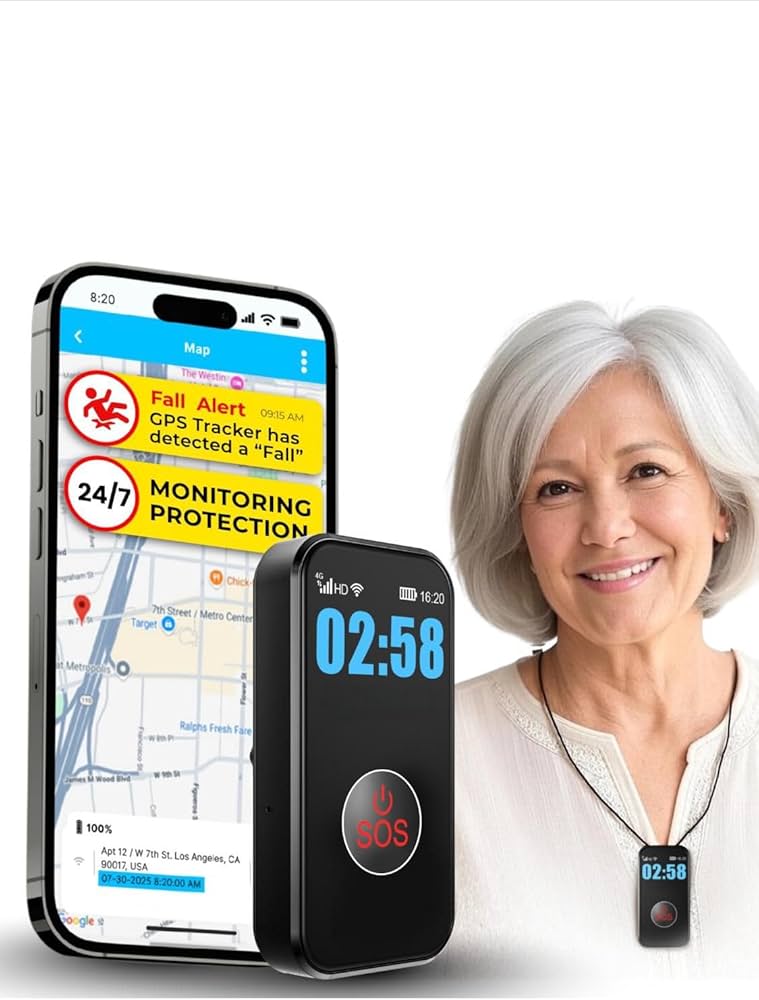
24/7 emergency call button with two-way voice · GPS tracking for location services · Water-resistant design for everyday wear
The MGMove provides dedicated senior safety features with a simple-to-use interface and reliable 24/7 monitoring.

Automatic fall detection · GPS tracking and SOS alert · HD video call capability
This smartwatch combines essential fall detection and GPS tracking with the added benefit of video calling for enhanced communication.

SOS button with 2-way speakerphone · Live GPS tracking and alerts · AI-powered features for enhanced safety
Designed for individuals with specific needs, this watch offers robust tracking and communication features with AI-powered assistance.
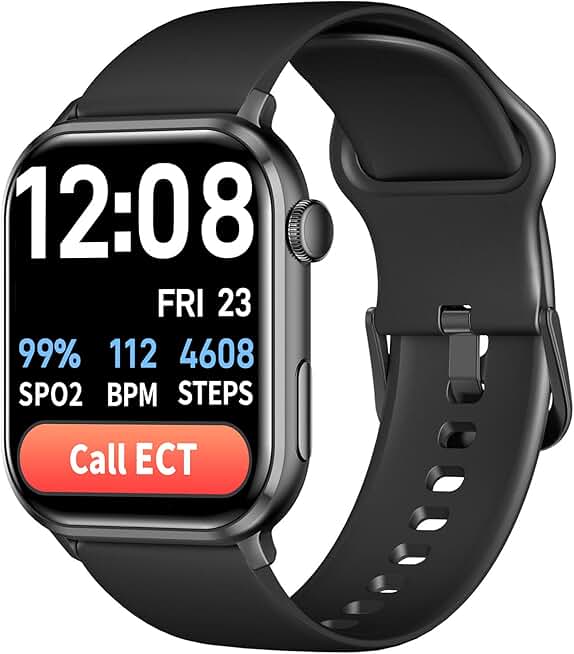
Automatic fall detection and SOS call · Heart rate and SpO2 monitoring · Medication reminders and caregiver app integration
The COCO smartwatch offers comprehensive health monitoring and safety features, including medication reminders and caregiver connectivity.
As an Amazon Associate I earn from qualifying purchases. Prices may vary.
Extra features that actually matter
Beyond simply detecting a fall, many devices offer extra features that can enhance safety and provide peace of mind. GPS tracking is incredibly useful, especially for seniors who are prone to wandering or getting lost. Two-way communication allows the user to speak directly with a monitoring center representative, even if they are unable to move.
Heart rate monitoring can be a valuable addition, as it can detect potential health issues before they become serious. Some devices also offer medication reminders, which can help seniors stay on track with their prescriptions. Geofencing allows caregivers to set up virtual boundaries and receive alerts if the senior leaves a designated area.
Integration with emergency services is crucial. The device should be able to automatically connect the user with 911 or a professional monitoring center. While medication reminders seem helpful, they aren't a standard feature and might not be necessary for everyone. Prioritizing features depends on individual needs and lifestyle. A more active senior might value GPS tracking, while someone who primarily stays at home might prioritize two-way communication.
Cellular vs. Bluetooth: Which Connection is Best?
Connectivity is a critical factor when choosing a fall detection device. There are two main options: cellular and Bluetooth. Cellular connectivity means the device has its own SIM card and can connect directly to a mobile network, just like a smartphone. This offers the advantage of working anywhere with cellular service, without needing to be paired with a smartphone.
Bluetooth connectivity, on the other hand, requires the device to be paired with a smartphone. This means the device relies on the smartphone’s internet connection to communicate with emergency services. The range is limited to the Bluetooth range of the smartphone—typically around 30 feet. Bluetooth devices are generally less expensive, but they are also less reliable.
Cellular plans typically add $10-$30 per month to the overall cost. While more expensive, the peace of mind that comes with knowing the device will work anywhere, regardless of smartphone connectivity, is significant. Bluetooth devices are best suited for seniors who are always with their smartphone and live in areas with reliable cellular coverage.
Cellular vs. Bluetooth Fall Detection Devices: A Comparison
| Connectivity Type | Cost | Range | Reliability | Smartphone Required | Best For |
|---|---|---|---|---|---|
| Cellular | Generally Higher (Device & Potential Monthly Fees) | Wider - Works almost anywhere with cellular coverage | Generally High - Independent operation | Not Required | Seniors who live alone, are frequently away from home, or do not own/use a smartphone. |
| Bluetooth | Generally Lower (Primarily Device Cost) | Limited - Requires proximity to paired smartphone | Dependent on Smartphone Connection - Reliability tied to Bluetooth and smartphone functionality | Required | Seniors who live with family/caregivers and are usually within range of their smartphone. |
| Cellular | May include professional monitoring options with associated monthly costs | Nationwide coverage with a reliable cellular network | Can offer direct connection to emergency services | Not Required | Individuals with limited family support or those who want a more comprehensive safety net. |
| Bluetooth | Often relies on existing smartphone data plans for alerts | Range is affected by walls and other obstructions | Alerts are sent via the paired smartphone, requiring it to be charged and nearby | Required | Seniors comfortable with smartphone technology and who have consistent caregiver access. |
| Cellular | Typically includes GPS for location tracking during emergencies | Offers a degree of independence from relying on others | Potential for false alarms, but often includes features to minimize them | Not Required | Active seniors who enjoy outdoor activities and want peace of mind. |
| Bluetooth | Less expensive upfront investment | Simpler setup process for tech-savvy users | Can integrate with other smartphone health apps | Required | Seniors who want a basic fall detection system and already rely heavily on their smartphones. |
Qualitative comparison based on the article research brief. Confirm current product details in the official docs before making implementation choices.
False Alarms: What Causes Them and How to Minimize Them
A common concern with fall detection devices is the possibility of false alarms. These can be triggered by a variety of factors, including vigorous activity, accidental bumps, or even simply sitting down too quickly. False alarms can be frustrating for both the user and the monitoring center.
Fortunately, algorithms are constantly improving to reduce false positives. These algorithms analyze the patterns of movement and impact, learning to differentiate between a genuine fall and normal activity. However, no system is perfect. Proper fit is crucial. A loose device is more likely to trigger a false alarm. Adjusting the sensitivity settings can also help.
Users should also be educated on how the device works and what types of movements might trigger a false alarm. While false alarms are a possibility, they are becoming less frequent as technology advances. Most monitoring centers will attempt to contact the user to verify a fall before dispatching emergency services.
What is coming next
The future of fall detection looks promising. We can expect to see continued improvements in AI algorithms, leading to even more accurate detection and fewer false alarms. Integration with smart home devices will allow for a more comprehensive safety net, with automatic alerts sent to caregivers and emergency services.
Designs will become more discreet and comfortable, making the devices less noticeable and more appealing to wear. Perhaps even proactive fall prevention features, using sensors to detect balance issues and provide real-time feedback, will emerge. While these advancements are on the horizon, the current generation of fall detection wearables already offers a significant level of safety and peace of mind.

Apple Watch Series 9 (GPS + Cellular 45mm) Midnight Aluminum Case with Midnight Sport Band M/L (Renewed)
- Advanced fall detection with improved algorithms
- ECG app and irregular rhythm notifications
- High-resolution Retina display for easy readability
The Apple Watch Series 9 (Renewed) offers robust fall detection and health monitoring features in a familiar and user-friendly interface, making it a reliable choice for seniors prioritizing safety and connectivity.
View on Amazon →As an Amazon Associate I earn from qualifying purchases.
No comments yet. Be the first to share your thoughts!