

Sarah, a grandmother, struggles to video chat with her grandkids on a new smartphone, fumbling with the screen and ending up frustrated. In contrast, she easily answers a call on a simple flip phone, hearing their voices clearly. This highlights the question for many seniors and their families: which phone – traditional or smartphone – is better in 2026?
The gap between these two options isn’t as wide as it once was. Smartphones are becoming more accessible, with manufacturers adding features for older adults. Traditional phones still offer simplicity and reliability that appeals to many. We'll explore the strengths and weaknesses of each option, focusing on what will be most useful for seniors in the coming years.
Technology changes quickly. A phone considered cutting-edge today might be obsolete in a few years. Focusing on 2026 allows us to look beyond current trends and consider what the near future will likely hold. Accessibility features, such as larger fonts and voice control, are already improving on smartphones, and this trend is expected to continue.
The “best” phone isn’t a one-size-fits-all answer. It depends on individual needs, technical comfort, and priorities. We'll break down the key considerations to help you make an informed decision for yourself or a loved one.
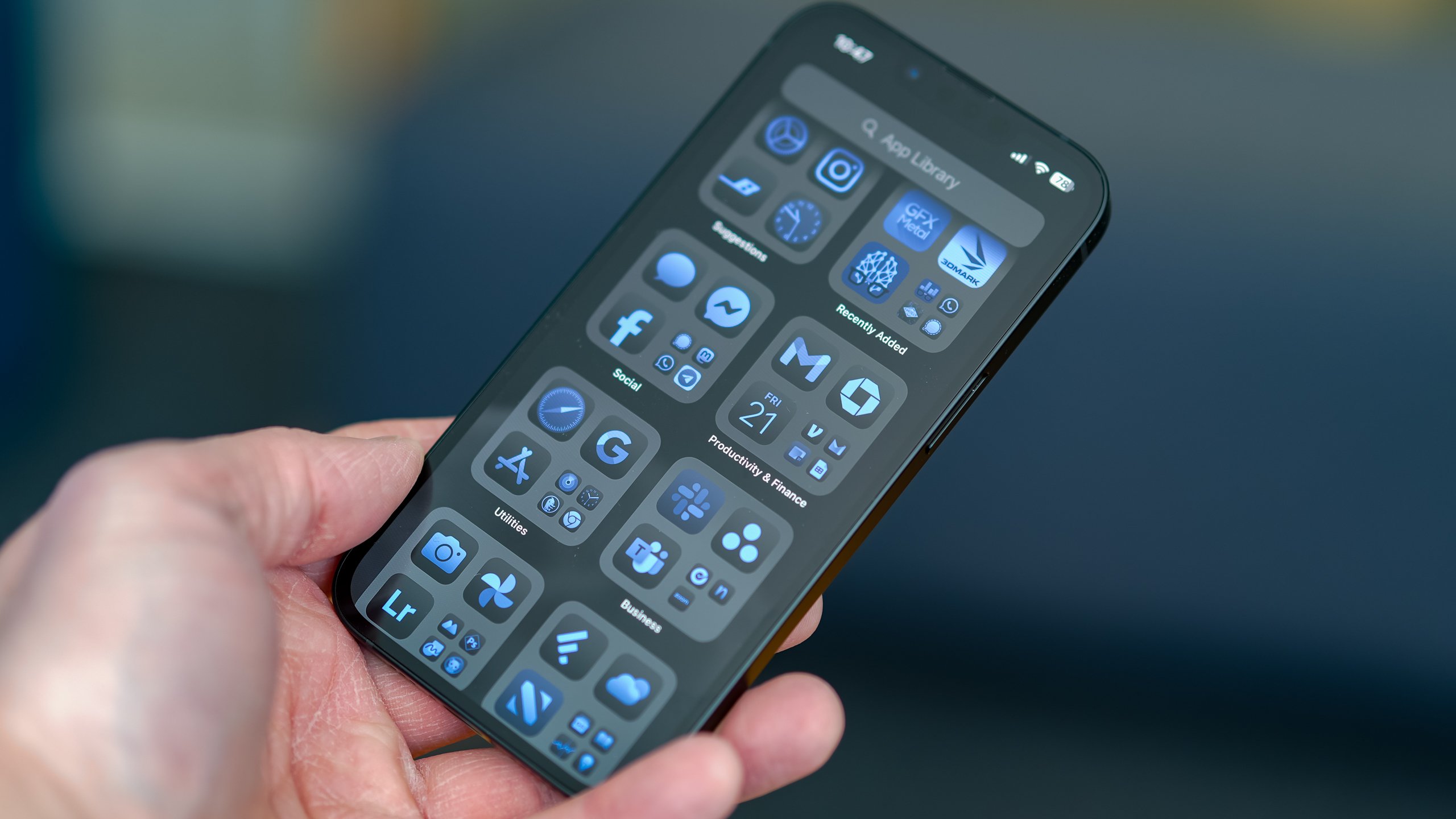
For many seniors, a traditional phone – often a flip phone or basic cellphone – appeals due to its simplicity. These phones are designed to do one thing well: make and receive calls. There are no confusing apps, complicated menus, or endless notifications. This straightforward approach is valuable for those uncomfortable with technology or who prefer a no-frills experience.
Ease of use is a major benefit. Physical buttons are easier to press and navigate than touchscreens, especially for individuals with dexterity issues. Larger buttons on many traditional phones also make dialing easier. Battery life is another advantage; these phones can often last for days on a single charge, reducing worry about constantly plugging in a device.
Affordability is also a key factor. Traditional phones are typically cheaper to purchase than smartphones, and monthly service plans are often less expensive. According to theseniorlist.com, popular models in 2026 are likely to include the Alcatel Go Flip 4 and the Nokia 2760 Flip, known for their affordability and ease of use.
While limited features are sometimes cited as a drawback, this can be a benefit for many seniors. They may not need or want access to the internet, social media, or a camera. A phone that focuses solely on communication provides peace of mind, knowing they can always reach loved ones in an emergency. Network reliability is also strong with these phones; basic cellular networks are widespread and dependable.
- Alcatel Go Flip 4: Known for its simplicity and affordability.
- Nokia 2760 Flip: Another popular choice for its ease of use and long battery life.
- Tracfone Basic Phone: Offers prepaid service with no contracts.
Featured Products

Simplified smartphone interface designed for seniors · Large icons and text for easy navigation · Dedicated urgent response button
This simplified smartphone offers a user-friendly interface with large icons and text, along with an urgent response button, making it an ideal choice for seniors seeking straightforward communication solutions.

Classic flip phone design · Prepaid service with no contract · Large, tactile buttons
This prepaid feature phone offers a classic flip design with large, tactile buttons, making it an ideal choice for seniors seeking straightforward communication solutions.

4G LTE connectivity · 8GB storage · Flip phone form factor with enhanced accessibility
This 4G LTE flip phone provides 8GB of storage and enhanced accessibility features in a user-friendly design, making it an ideal choice for seniors seeking straightforward communication solutions.
![GrandPad Easy to Use Tablet & Phone for Seniors [Locked - Not Compatible with Other Wireless Carriers - Requires a Plan]](https://m.media-amazon.com/images/I/71a8qifkobL._AC_UY654_QL65_.jpg)
Tablet and phone functionality combined · Simplified interface for ease of use · Designed specifically for seniors
This easy-to-use tablet and phone combination offers a simplified interface specifically designed for seniors, making it an ideal choice for straightforward communication solutions.
![Mr.Shield [3-Pack] Screen Protector For RAZ Memory Cell Phone [Tempered Glass] [Japan Glass with 9H Hardness] Screen Protector](https://m.media-amazon.com/images/I/61pX-WYlicL._AC_UY654_QL65_.jpg)
Three-pack of tempered glass screen protectors · Designed for RAZ Memory Cell Phone · 9H hardness for scratch resistance
These tempered glass screen protectors offer 9H hardness for scratch resistance, making them an ideal accessory for seniors seeking to protect their communication devices.
As an Amazon Associate I earn from qualifying purchases. Prices may vary.
Simplified smartphones aim to offer the best of both worlds: smartphone functionality with traditional phone ease of use. These devices feature streamlined interfaces, larger icons, and fewer pre-installed apps, making them less overwhelming for seniors. They typically have a home screen with only essential apps, such as phone, messaging, and camera.
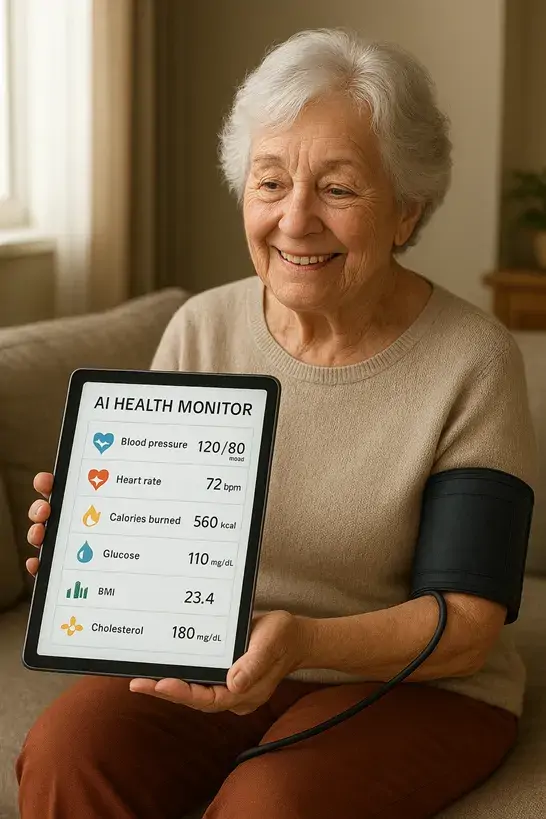
A simplified smartphone's biggest advantage is access to features traditional phones can’t offer. Video calls enable seniors to see and speak with family and friends, even if they live far away. Health apps can help them track fitness, manage medications, and monitor vital signs. Emergency features, such as one-touch SOS buttons, provide an added layer of safety.
Smartphone accessibility features are improving. Voice control allows users to make calls, send messages, and access information using only their voice. Text-to-speech functionality reads incoming messages and emails. These features can be helpful for individuals with visual or dexterity impairments.
Several brands target the senior market with simplified smartphones. Lively (formerly Jitterbug), mentioned by seniorliving.org and nytimes.com, offers phones with large buttons, simplified menus, and 24/7 US-based customer support. The Google Pixel 9 and Apple iPhone 16 Plus, while not specifically designed for seniors, offer robust accessibility features and can be customized to suit individual needs.
Beyond "simple’ versus ‘smart,’ let"s focus on specific features that matter to seniors. Loud and clear audio is paramount. Many seniors experience age-related hearing loss, so a phone with a powerful speaker and good call quality is essential. Muffled or distorted sound can lead to frustration and missed conversations.
Large, easy-to-read displays are also crucial. Small text and cluttered screens can be difficult to navigate. A phone with a large screen and adjustable font sizes makes a significant difference. A simple camera functionality is appreciated for capturing moments with family, but complex camera settings aren’t necessary.
Emergency assistance buttons – often labeled SOS – are a vital safety feature. These buttons allow seniors to quickly contact emergency services or designated family members with a single press. Hearing aid compatibility is another important consideration. Ensuring the phone works with a hearing aid can improve communication.
Reliable customer support is non-negotiable. Seniors may need assistance setting up their phone, troubleshooting issues, or learning new features. Knowledgeable and patient customer support can make all the difference. Finally, long battery life remains a significant benefit, reducing anxiety about a phone dying at a critical moment.
- Loud and clear audio: Essential for those with hearing loss.
- Large, easy-to-read displays: Reduces eye strain and improves navigation.
- Simple camera functionality: Captures memories without complexity.
- Emergency assistance buttons (SOS): Provides quick access to help.
- Hearing aid compatibility: Ensures seamless communication.
- Reliable customer support: Offers assistance when needed.
- Long battery life: Reduces anxiety and ensures connectivity.
Based on current reviews and expert opinions, several smartphones stand out for seniors. The Apple iPhone 16 Plus, recommended by the nytimes.com, continues to be a strong contender. While not specifically designed for seniors, its intuitive interface, excellent accessibility features (VoiceOver, Zoom, larger text options), and ecosystem make it a good choice for those comfortable with Apple products.
However, the iPhone has drawbacks. It can be expensive, and the interface, while intuitive for some, can be overwhelming for others. The Google Pixel 9 also receives high marks for its simplicity and excellent camera. Google’s Live Caption feature, which provides real-time captions for audio and video, is helpful for those with hearing loss.
The most senior-focused option is the Lively Jitterbug Smart4, highlighted by seniorliving.org. This phone features a simplified interface, large buttons, a dedicated emergency assistance button, and 24/7 US-based customer support. It’s designed for seniors and offers ease of use that other smartphones can’t match. It’s also relatively affordable.
Ultimately, the best smartphone for a senior depends on their individual needs and preferences. The iPhone 16 Plus offers a premium experience with excellent features, the Google Pixel 9 provides a balance of simplicity and functionality, and the Lively Jitterbug Smart4 prioritizes ease of use and safety.
- Apple iPhone 16 Plus: Intuitive interface, excellent accessibility features, but can be expensive.
- Google Pixel 9: Simple, good camera, Live Caption feature for hearing assistance.
- Lively Jitterbug Smart4: Simplified interface, large buttons, dedicated emergency assistance, 24/7 US support.

LIVELY Jitterbug Smart4 Smartphone for Seniors - Cell Phone for Seniors - Not Compatible with Other Wireless Carriers - No SIM Needed - Must Be Activated Phone Plan
- Large, easy-to-read icons and text
- Simple, intuitive menu navigation
- Dedicated urgent response button
The Lively Jitterbug Smart4 is an excellent choice for seniors seeking a user-friendly smartphone experience, offering simplified navigation and essential safety features that bridge the gap between traditional phones and complex smartphones.
View on Amazon →As an Amazon Associate I earn from qualifying purchases.
The cost of a phone is just the beginning. It’s important to consider the total cost of ownership, which includes the phone price, monthly service plan, data usage, and potential costs for accessories. Basic phone plans for traditional phones are typically much cheaper than smartphone data plans. You can often find plans for as little as $20 per month, while smartphone plans can easily exceed $50 or $60.
Smartphone data usage can also add up quickly, especially if the senior is using the internet, streaming videos, or downloading apps. Consider a plan with limited data or one that offers free Wi-Fi hotspots. Accessories, such as a protective case and a screen protector, can add to the cost, but they can also help protect the phone from damage.
Seniors may also be eligible for discounts on phone service. Many carriers offer discounts for seniors, veterans, or those with disabilities. It’s worth checking with different providers to see what options are available. Don't forget to factor in the potential cost of tech support. Some carriers include basic tech support with their plans, while others charge extra for assistance.
Investing in a good quality phone and a reliable service plan can provide peace of mind and ensure that seniors stay connected with loved ones. It’s important to carefully consider all the costs involved before making a decision.
- Phone Price: Traditional phones are generally cheaper.
- Monthly Service Plan: Basic plans are less expensive.
- Data Usage: Smartphone data can add up quickly.
- Accessories: Protective cases and screen protectors.
- Tech Support: Factor in the cost of assistance.
Simplified Smartphones vs. Traditional Phones: A Comparison for Seniors (2026)
| Feature | Traditional Phone Plans | Simplified Smartphones | Standard Smartphones |
|---|---|---|---|
| Monthly Cost | Good | Good | Fair to Poor |
| Data Allowance | Not Applicable | Limited/Optional | Excellent |
| Talk/Text Limits | Often Unlimited | Generally Unlimited | Generally Unlimited |
| Customer Support Availability | Good | Good | Fair |
| Ease of Use (Initial Setup) | Excellent | Good | Fair |
| Accessibility Features | Fair | Good | Excellent |
| Included Features (e.g., Hotspot) | Poor | Fair | Excellent |
| Emergency Features | Good | Excellent | Excellent |
Illustrative comparison based on the article research brief. Verify current pricing, limits, and product details in the official docs before relying on it.
Looking ahead to 2026 and beyond, several trends are likely to shape the future of senior-friendly technology. Improved voice control will be a major development, allowing seniors to operate their phones and access information hands-free. AI-powered assistance will also become more prevalent, providing personalized support and guidance.
More intuitive interfaces, designed specifically for older adults, are also on the horizon. These interfaces will likely feature even larger icons, simpler menus, and more customizable settings. Better integration with health monitoring devices, such as smartwatches and fitness trackers, will enable seniors to track their health and wellness more effectively.
The rollout of 5G and eventually 6G technology could also have a significant impact on senior communication. Faster speeds and lower latency will enable clearer video calls, more reliable internet access, and new applications that are currently not possible. However, it’s important to remember that technology is constantly evolving.
What’s best today might not be best tomorrow. The key is to choose a phone that meets current needs and is easy to use and maintain. Don’t get caught up in the hype surrounding the latest features; focus on the features that will genuinely improve a senior’s quality of life.
No comments yet. Be the first to share your thoughts!