

Aging in Place, Amplified
Imagine your grandmother, fiercely independent, wanting to remain in the home she’s lived in for decades. It’s a common desire. Most seniors, when given the choice, overwhelmingly prefer to age in place – to maintain their routines and connections within their familiar surroundings. But that often comes with anxieties for both them and their families about safety, health, and simply managing daily life.
Voice-activated smart home systems are increasingly becoming a powerful tool to make aging in place a realistic and sustainable option. These aren’t about turning your loved one’s home into a science fiction movie set. Instead, they’re about subtly integrating technology to provide assistance, reassurance, and a greater sense of control. They're about extending independence, not replacing it.
Most people worry about complexity and cost. Privacy is a bigger hurdle. But a few specific devices can help without turning a house into a data center. Here is how the 2026 market looks for those trying to stay at home longer.
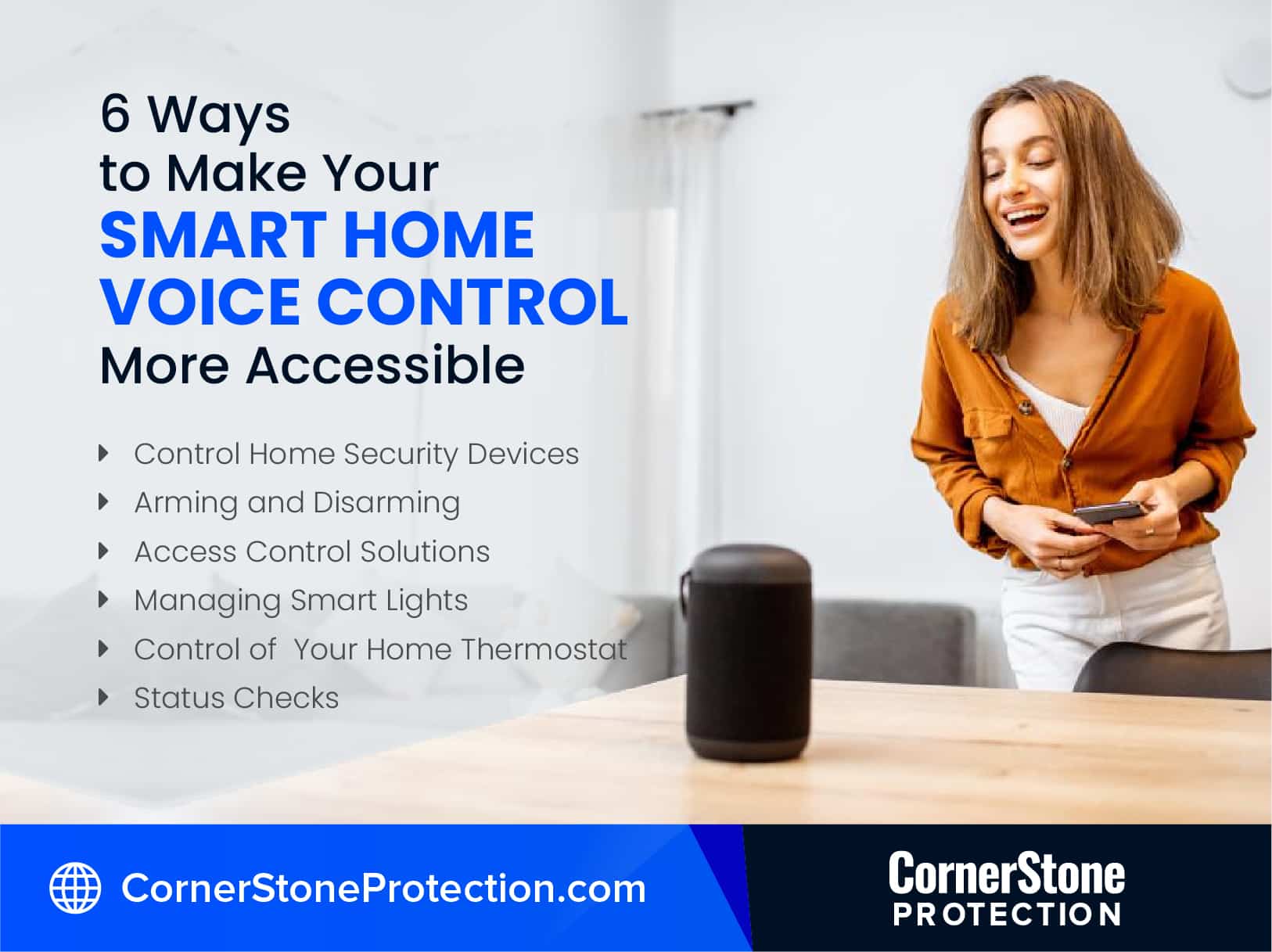
Top senior-friendly systems for 2026
By 2026, the market for senior-focused smart home systems has matured considerably. Rather than just a collection of individual gadgets, several companies are offering integrated systems designed specifically with older adults in mind. These systems attempt to address multiple needs – from safety and security to health monitoring and social connection – within a single, relatively easy-to-manage framework.
According to The New York Times’s 2026 review, Abode is consistently ranked high for its ease of use and professional monitoring options. It’s a good starting point for families concerned about security, offering features like door/window sensors, motion detectors, and a 24/7 monitoring service. What sets Abode apart is its flexibility; you can self-monitor or opt for professional assistance as needed. It integrates well with voice assistants like Amazon Alexa and Google Assistant.
Another strong contender is ADT Health, which goes beyond traditional security to incorporate health and wellness features. They offer fall detection pendants, medication reminders, and even integration with telehealth services. Age Safe America highlights ADT Health’s comprehensive approach, especially for those with chronic health conditions. The system can automatically alert emergency contacts or dispatch help if a fall is detected, providing crucial peace of mind.
Vivint remains a popular choice, though it generally comes with a higher price tag. It’s known for its robust security features and smart home automation capabilities. Vivint offers professional installation and 24/7 monitoring, making it a good option for those who prefer a hands-off approach. They also offer a range of smart devices, including smart thermostats and lighting, that can be controlled remotely or via voice commands.
It’s important to remember that these systems aren’t one-size-fits-all. The best system will depend on individual needs and preferences. For someone primarily concerned about security, Abode might be the best fit. For someone with health concerns, ADT Health could be a better choice. And for those who want a fully integrated and professionally managed system, Vivint is worth considering. It's also worth looking at smaller, more focused systems that specialize in a particular area, like medication management.
Featured Products

Spatial Audio · Smart Home Hub · Alexa Integration
Its integrated smart home hub and voice control capabilities simplify managing home devices and accessing information, enhancing convenience for seniors.

Wireless Security System · HD Camera · Optional 24/7 Professional Monitoring
This system provides comprehensive security with easy voice control integration, offering peace of mind and enhanced safety for independent living.
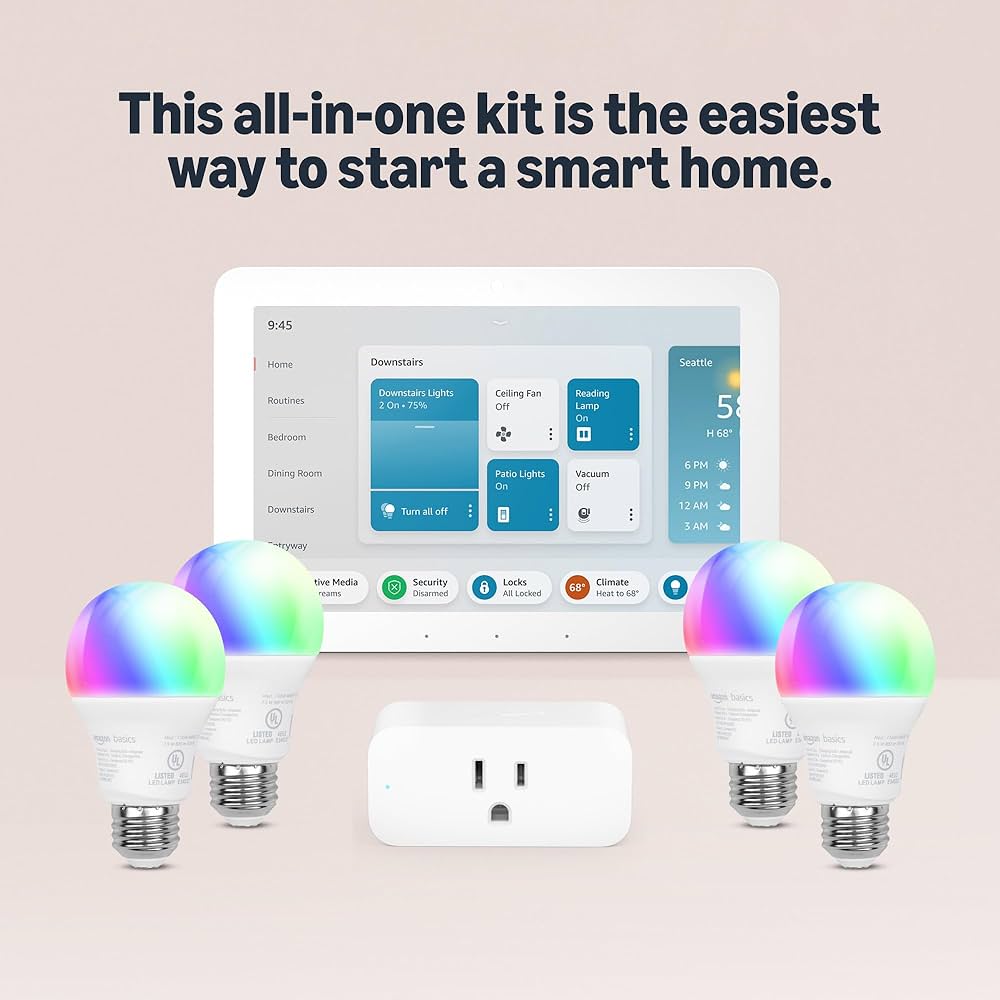
10-inch Smart Display · Google Assistant · Smart Home Control
Its large display and intuitive Google Assistant make it easy to manage smart home devices, communicate, and access information, supporting independence and connectivity.

14-Piece Kit · Wireless Security System · Expandable
This comprehensive security system offers robust protection and smart home integration, with easy-to-use controls and optional professional monitoring for added safety.

These comprehensive voice-activated smart home systems are designed to enhance safety, convenience, and independence for seniors aging in place, offering easy control and peace of mind.
As an Amazon Associate I earn from qualifying purchases. Prices may vary.
Individual devices that actually help
While integrated systems provide a solid foundation, certain individual devices can significantly enhance a senior’s quality of life. Philips Hue smart lighting is a prime example. The ability to adjust brightness and color temperature via voice command can be incredibly helpful for those with visual impairments or sensitivity to light. Dimming lights at night can also reduce the risk of falls.
Ecobee smart thermostats offer similar benefits. Voice-controlled temperature adjustments eliminate the need to fumble with dials or buttons, keeping seniors comfortable without straining. They also learn your preferences over time, automatically adjusting the temperature to optimize energy efficiency. This can lead to significant cost savings.
Smart plugs, like those from Kasa Smart, are surprisingly versatile. They allow you to remotely control appliances, turning lamps on and off, or ensuring that a coffee maker is switched off. This is particularly useful for those with limited mobility or memory issues. They can also be integrated into routines, such as turning on a lamp at sunset.
The YouTube channel Make Life Smart highlighted the emergence of AI-powered robot companions in 2026. Companies like ElliQ and Misty II are developing robots designed to provide companionship, medication reminders, and cognitive stimulation. These robots can engage in conversation, play music, and even video chat with family members. However, it’s important to approach these devices with caution. Privacy concerns are significant, and the technology is still evolving. They aren’t a replacement for human interaction, and their effectiveness varies.
![VTech [Upgraded] VM350-2 Baby Monitor, 5" Screen,2 Cameras,1000ft Range, Night Vision, 2-Way Audio, Lullabies, Secure Transmission No WiFi](https://m.media-amazon.com/images/I/717EvXlUrxL._AC_UY654_QL65_.jpg)
VTech [Upgraded] VM350-2 Baby Monitor, 5" Screen,2 Cameras,1000ft Range, Night Vision, 2-Way Audio, Lullabies, Secure Transmission No WiFi
- 5-inch High-Definition Screen
- Two Cameras Included
- 1000ft Long-Distance Transmission
- Two-Way Talk
- Night Vision
- Soothing Lullabies
- Secure Digital Transmission (No WiFi Required)
While designed for baby monitoring, the VTech VM350-2 offers seniors aging in place the invaluable benefits of remote visual and audio monitoring, along with a simple two-way talk feature for easy communication, all without requiring a WiFi connection.
View on Amazon →As an Amazon Associate I earn from qualifying purchases.
The reality of installation
One of the biggest barriers to adoption is the perceived complexity of setting up these systems. While some devices are designed for DIY installation, others require professional assistance. The level of difficulty depends on the system and the individual’s technical skills. It’s often best to start small, with a few key devices, and gradually expand the system over time.
Professional installation is an option offered by most major smart home providers. This ensures that the system is properly configured and integrated, and provides ongoing support. However, it comes at a cost, typically ranging from a few hundred to several thousand dollars, depending on the scope of the installation. DIY installation can save money, but requires more time and effort. You’ll need a reliable internet connection, a smartphone or tablet, and a willingness to troubleshoot.
The typical setup process involves connecting the hub to your Wi-Fi network, pairing the devices with the hub, and configuring the system settings. Most systems offer step-by-step instructions and video tutorials. Age Safe America also offers training courses for professionals, ensuring they’re equipped to install and maintain these systems safely and effectively. Expect some initial hiccups. It's not always plug-and-play, and some troubleshooting might be necessary.
Privacy and security risks
Privacy and security are paramount concerns when it comes to smart home devices. These devices collect data about your activities, including when you’re home, what temperature you prefer, and even what you say. It’s crucial to understand how this data is being used and to take steps to protect your privacy.
Always use strong, unique passwords for your smart home devices and your Wi-Fi network. Enable two-factor authentication whenever possible. Regularly update the firmware on your devices to patch security vulnerabilities. Be mindful of the permissions you grant to apps and services. Consider using a separate Wi-Fi network for your smart home devices to isolate them from your personal computers and smartphones.
Voice assistants usually store recordings on company servers. If that feels invasive, turn off the recording history in the app settings. While hacking is rare, it happens. No single certification guarantees a device is unhackable, so stick to brands with a history of quick security patching.
- Use unique passwords for every device and the router.
- Enable two-factor authentication.
- Regularly update device firmware.
- Review app permissions.
Cost Considerations & Financial Assistance
The cost of setting up a voice-activated smart home can vary widely, depending on the system and the number of devices. A basic system with a hub, a few sensors, and a voice assistant can cost anywhere from $300 to $1,000. A more comprehensive system with professional monitoring and a wider range of devices can easily exceed $2,000. Ongoing costs may include monthly subscription fees for monitoring services and the cost of replacing batteries or devices.
Fortunately, several financial assistance programs and tax credits may be available to help seniors offset the cost of aging-in-place technology. Some states offer grants or loans for home modifications, while others provide tax credits for the purchase of assistive devices. It’s worth researching local and national programs to see if you qualify. AARP and the National Council on Aging are good resources for finding information on financial assistance.
While the initial investment can be significant, it’s important to consider the potential long-term cost savings. Smart home devices can help reduce energy consumption, prevent falls, and delay the need for assisted living, ultimately saving money and improving quality of life. It’s an investment in independence and peace of mind.

No comments yet. Be the first to share your thoughts!